THE ADVENTURE COLLECTIVE® · Independent discovery and booking for outdoor travel

A 17-day high-altitude traverse from Paro to Gasa, the Jomolhari Laya Gasa Trek threads alpine meadows, high passes (to 5,005 m) and isolated Layap villages. Expect long days, full-service camping, and cultural encounters with yak-herding communities.
A 17-day high-altitude traverse from Paro to Gasa, the Jomolhari Laya Gasa Trek threads alpine meadows, high passes (to 5,005 m) and isolated Layap villages. Expect long days, full-service camping, and cultural encounters with yak-herding communities.
Dawn lifts over Paro and the valley exhales; prayer flags snap and a narrow trail threads upward through pine shade toward jagged ridgelines. Over 17 days the route pushes from Drukgyel through alpine meadows, remote yak pastures and glacial basins to finish at Gasa, tracing old trade routes used by Layap communities and seasonal herders.
Verified experiences and guided adventures in the surrounding area.
Operated by Bhutan Acorn Tours and Travel · Paro, Paro District
Dawn lifts over Paro and the valley exhales; prayer flags snap and a narrow trail threads upward through pine shade toward jagged ridgelines. Over 17 days the route pushes from Drukgyel through alpine meadows, remote yak pastures and glacial basins to finish at Gasa, tracing old trade routes used by Layap communities and seasonal herders.
Geology here is visible in cross-section: carved U-shaped valleys, terminal moraines and glacial lakes attest to recent ice action, while Jomolhari’s granite flanks rise like a sacred spine. Culturally the trek passes isolated villages where Layaps — with distinct dress and dialect — herd yaks and maintain centuries-old Buddhist practices; Dzongs and chortens punctuate the walk with quiet history.
Expect long daily distances (10–22 km on walking days), repeated ascents to high passes (Sinche La ~5,005 m), and nights spent at full-service camps or a few simple lodgings. The itinerary builds acclimatization with rest days at Jangothang and the option to bathe in Gasa’s hot springs. Porters and pack animals handle heavy loads, but hikers should carry a comfortable daypack, water and layered clothing.
Practical edge: move slowly on steep ascents, prioritize hydration and salt intake, and plan flights to Bhutan well in advance — only two airlines serve Paro. Best windows are April–June and mid-September–mid-November for stable weather and clear mountain views.
This is a demanding but deeply rewarding Himalayan traverse: technical mountaineering skills aren’t required, but high-altitude fitness, respect for local culture and careful planning are.
Days range from 10–22 km with sustained ascents and descents; expect 5–8 hours on long walking days and high-altitude passes up to 5,005 m.
Prior multi-day trekking experience at altitude is strongly recommended; the itinerary includes multiple nights above 4,000 m.
The tour includes trekking permits and visa processing (e-Visa takes ~4–5 business days) but you must provide passport copies and photos promptly after booking.
This trip offers full-service outdoor camping for most nights with support staff; expect communal tents, camp meals and sleeping bag liners supplied.
Bhutan Acorn Tours and Travel operates guided outdoor trips and adventures with an emphasis on safety, stewardship, and memorable experiences.


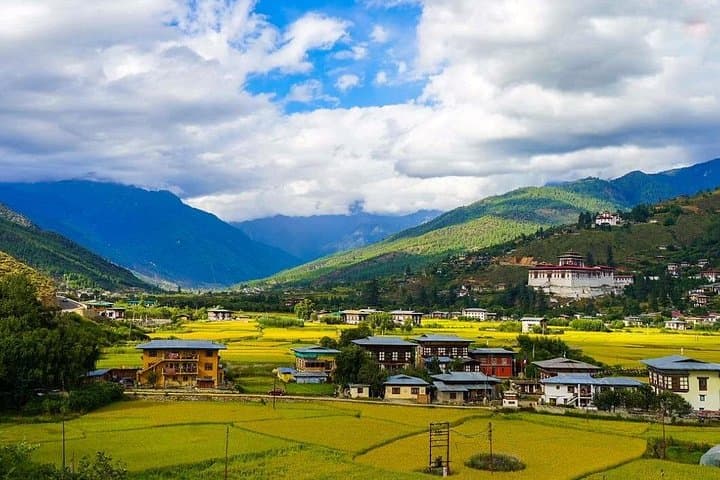
Dawn lifts over Paro and the valley exhales; prayer flags snap and a narrow trail threads upward through pine shade toward jagged ridgelines. Over 17 days the route pushes from Drukgyel through alpine meadows, remote yak pastures and glacial basins to finish at Gasa, tracing old trade routes used by Layap communities and seasonal herders.
Dawn lifts over Paro and the valley exhales; prayer flags snap and a narrow trail threads upward through pine shade toward jagged ridgelines. Over 17 days the route pushes from Drukgyel through alpine meadows, remote yak pastures and glacial basins to finish at Gasa, tracing old trade routes used by Layap communities and seasonal herders.
Geology here is visible in cross-section: carved U-shaped valleys, terminal moraines and glacial lakes attest to recent ice action, while Jomolhari’s granite flanks rise like a sacred spine. Culturally the trek passes isolated villages where Layaps — with distinct dress and dialect — herd yaks and maintain centuries-old Buddhist practices; Dzongs and chortens punctuate the walk with quiet history.
Expect long daily distances (10–22 km on walking days), repeated ascents to high passes (Sinche La ~5,005 m), and nights spent at full-service camps or a few simple lodgings. The itinerary builds acclimatization with rest days at Jangothang and the option to bathe in Gasa’s hot springs. Porters and pack animals handle heavy loads, but hikers should carry a comfortable daypack, water and layered clothing.
Practical edge: move slowly on steep ascents, prioritize hydration and salt intake, and plan flights to Bhutan well in advance — only two airlines serve Paro. Best windows are April–June and mid-September–mid-November for stable weather and clear mountain views.
This is a demanding but deeply rewarding Himalayan traverse: technical mountaineering skills aren’t required, but high-altitude fitness, respect for local culture and careful planning are.