THE ADVENTURE COLLECTIVE® · Independent discovery and booking for outdoor travel

A 15-day trek through the Kali Gandaki valley that combines pilgrimage, high-desert scenery and deep gorges. Hike from Pokhara through Tatopani and Kagbeni to the sacred Muktinath temple, with hot springs, villages and sweeping mountain views along the way.
A 15-day trek through the Kali Gandaki valley that combines pilgrimage, high-desert scenery and deep gorges. Hike from Pokhara through Tatopani and Kagbeni to the sacred Muktinath temple, with hot springs, villages and sweeping mountain views along the way.
Cold mountain air hits you as the plane drops toward Pokhara, and by the time you reach Tikhedhunga the trail has already risen into pine-scented gullies and switchbacks. Over 10–12 walking days the route climbs from sub-tropical river valleys into the high, wind-swept terraces above the Kali Gandaki; clouds and peaks trade places all day and the gorge between Annapurna and Dhaulagiri dares you to look down.
Verified experiences and guided adventures in the surrounding area.
Operated by Sunrise Adventure Trek P. Ltd · Jomsom, Gandaki Province
Cold mountain air hits you as the plane drops toward Pokhara, and by the time you reach Tikhedhunga the trail has already risen into pine-scented gullies and switchbacks. Over 10–12 walking days the route climbs from sub-tropical river valleys into the high, wind-swept terraces above the Kali Gandaki; clouds and peaks trade places all day and the gorge between Annapurna and Dhaulagiri dares you to look down.
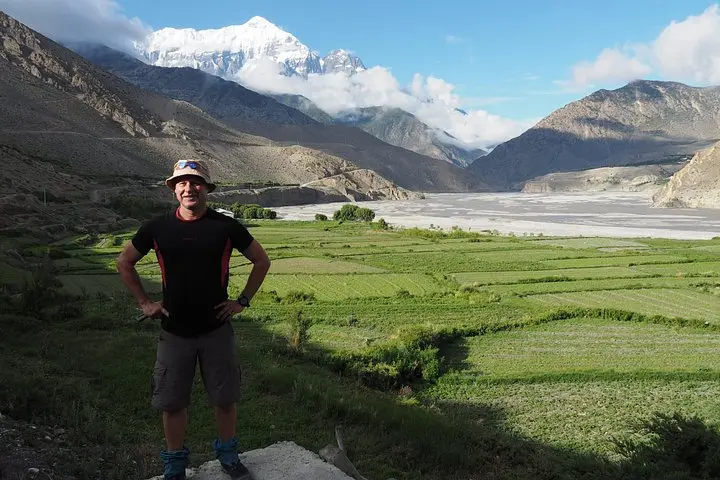
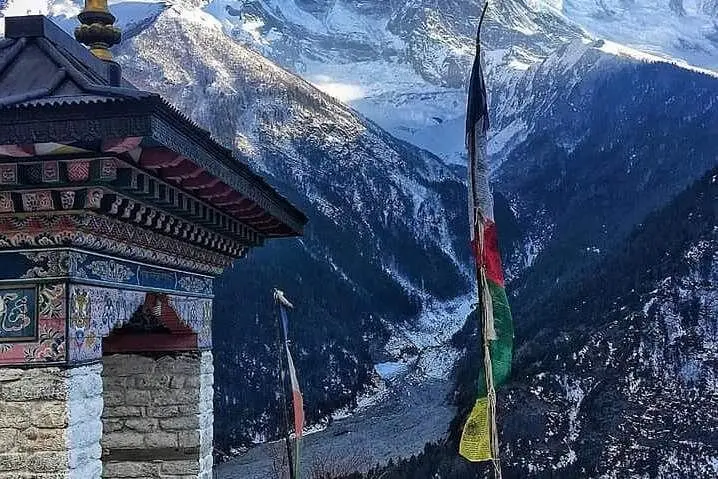
This trek threads pilgrimage and geology: Muktinath is a sacred shrine for Hindus and Buddhists, and the Kali Gandaki valley is famous for fossilized ammonites called saligrams. Villages you pass — Ghasa, Tukuche, Kagbeni — reflect Thakali and Tibetan-influenced culture, with stone houses, mani walls and quiet gompas. Rupse waterfall and natural hot springs at Tatopani offer lowland relief, while the broad gravel flats near Jomsom show how glacial and river forces carved the world's deepest gorge here.
Expect stony trails, long stair sections, exposed ridgelines and windy river terraces. Elevations range from ~850m (Pokhara) to about 3,710m at Muktinath; several days are 5–7 hour walking stretches. Acclimatize with steady pacing, stay hydrated, and carry layers for sun, wind and cold evenings. Permits and a TIMS card are required, and most groups use local guides and lodge-to-lodge accommodation.
Practical prep: break in boots, pack a good sleeping layer, bring sun protection and electrolytes, and plan rest days after higher climbs. The reward is clear: sacred rituals at Muktinath, dramatic canyon views and high-desert air that pushes you forward with every step.
Yes — a TIMS (Trekking Information Management System) card and any local permits required for the Annapurna region; guides typically handle paperwork.
Spring (March–May) and fall (September–November) offer the most stable weather and clearer mountain views; winter is cold and summer is monsoon-prone.
Muktinath sits around 3,710 m; altitude can be an issue—plan gradual ascents, stay hydrated, and know AMS symptoms and descent protocols.
Yes — the standard itinerary uses teahouse lodges for accommodations and meals on trekking days, but expect simple facilities and limited hot water in some stops.
Sunrise Adventure Trek P. Ltd operates guided outdoor trips and adventures with an emphasis on safety, stewardship, and memorable experiences.
Cold mountain air hits you as the plane drops toward Pokhara, and by the time you reach Tikhedhunga the trail has already risen into pine-scented gullies and switchbacks. Over 10–12 walking days the route climbs from sub-tropical river valleys into the high, wind-swept terraces above the Kali Gandaki; clouds and peaks trade places all day and the gorge between Annapurna and Dhaulagiri dares you to look down.
Cold mountain air hits you as the plane drops toward Pokhara, and by the time you reach Tikhedhunga the trail has already risen into pine-scented gullies and switchbacks. Over 10–12 walking days the route climbs from sub-tropical river valleys into the high, wind-swept terraces above the Kali Gandaki; clouds and peaks trade places all day and the gorge between Annapurna and Dhaulagiri dares you to look down.
This trek threads pilgrimage and geology: Muktinath is a sacred shrine for Hindus and Buddhists, and the Kali Gandaki valley is famous for fossilized ammonites called saligrams. Villages you pass — Ghasa, Tukuche, Kagbeni — reflect Thakali and Tibetan-influenced culture, with stone houses, mani walls and quiet gompas. Rupse waterfall and natural hot springs at Tatopani offer lowland relief, while the broad gravel flats near Jomsom show how glacial and river forces carved the world's deepest gorge here.
Expect stony trails, long stair sections, exposed ridgelines and windy river terraces. Elevations range from ~850m (Pokhara) to about 3,710m at Muktinath; several days are 5–7 hour walking stretches. Acclimatize with steady pacing, stay hydrated, and carry layers for sun, wind and cold evenings. Permits and a TIMS card are required, and most groups use local guides and lodge-to-lodge accommodation.
Practical prep: break in boots, pack a good sleeping layer, bring sun protection and electrolytes, and plan rest days after higher climbs. The reward is clear: sacred rituals at Muktinath, dramatic canyon views and high-desert air that pushes you forward with every step.