THE ADVENTURE COLLECTIVE® · Independent discovery and booking for outdoor travel

An eight-day private circuit across Jordan—Amman, Jerash, Mount Nebo, the Dead Sea, Petra and Wadi Rum—combines archaeological wonders, Bedouin hospitality and desert panoramas with tailored luxury and practical guidance for first-time visitors.
An eight-day private circuit across Jordan—Amman, Jerash, Mount Nebo, the Dead Sea, Petra and Wadi Rum—combines archaeological wonders, Bedouin hospitality and desert panoramas with tailored luxury and practical guidance for first-time visitors.
You step out of Queen Alia International and into a light that feels like a welcome—Amman’s hills roll under a late‑afternoon glow as minarets and modern hotels trade silhouettes. Over the next eight days the country narrows and expands like a film: the carved rose-red face of Petra emerging through the Siq, the Dead Sea’s metallic calm daring you to float, and Wadi Rum’s sandstone towers catching the sun like embers.
Verified experiences and guided adventures in the surrounding area.
Operated by VIP Jordan Limo · Amman, Amman Governorate
You step out of Queen Alia International and into a light that feels like a welcome—Amman’s hills roll under a late‑afternoon glow as minarets and modern hotels trade silhouettes. Over the next eight days the country narrows and expands like a film: the carved rose-red face of Petra emerging through the Siq, the Dead Sea’s metallic calm daring you to float, and Wadi Rum’s sandstone towers catching the sun like embers.
This is not a race; it’s a curated circulation through Jordan’s layers. Jerash opens with a Roman heartbeat—colonnades and an oval plaza that once hosted imperial pageantry. Mount Nebo grants a breathless vantage, close to 1,000 meters where pilgrims have long scanned the horizon. The Dead Sea drops you into geological oddity: a lake so saline your body refuses to sink and the shore sits some 430 meters below sea level.
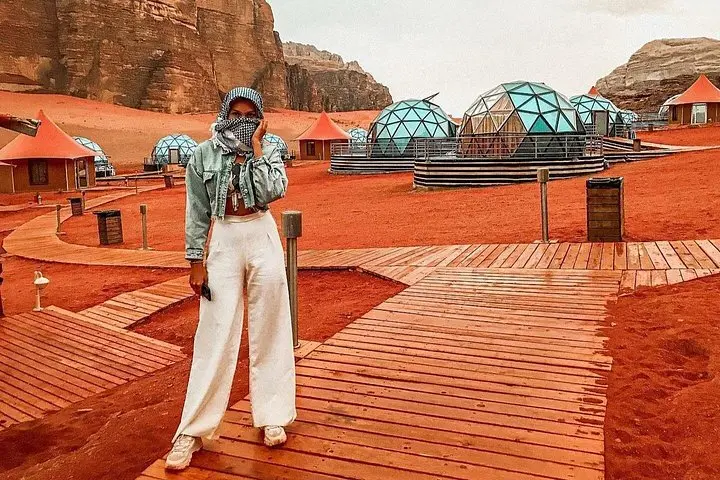
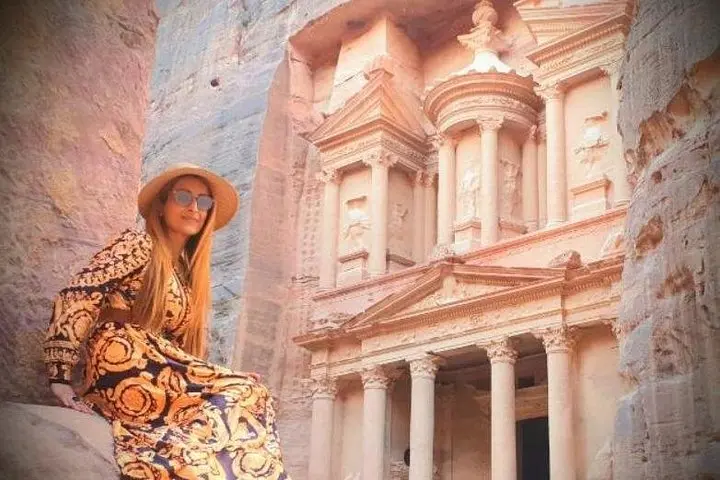
Petra needs little introduction. Walk the 1.2 km Siq and the Treasury appears, carved with precision by Nabataean hands in the 1st century BC. Spend a full day following the Roman road, climbing the roughly 800 stone steps to the Monastery, and slipping into quieter tombs carved into the canyon walls. Wadi Rum contrasts Petra’s carved intimacy with open, wind-swept desert—natural arches and vertical cliffs formed from sandstone and granite that have been weathered into improbable sculptures.
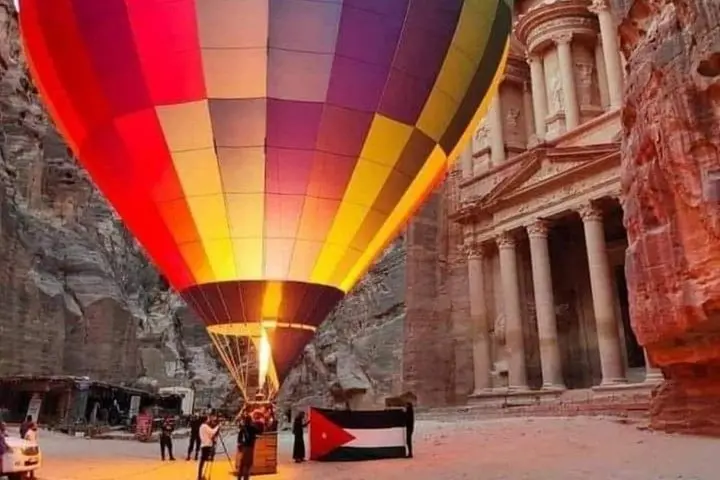
Culture threads each stop. Bedouin hosts welcome small groups for zarb dinners; a private cooking lesson connects you to Jordanian hospitality and food traditions like mansaf and mountain herbs. Guides on this private itinerary are fluent in history and practicalities—arranging optional balloon rides or tailoring each day to your pace.
Practical edge: get a Jordan Pass before arrival (it covers many sites and saves time at entrances), carry a refillable water bottle and electrolyte mix, and plan footwear for long walking days—Petra and Jerash demand sturdy shoes and ankle support. In summer, aim for early starts to skirt midday heat; in winter, layer for cool desert nights. Expect moderate walking each day—most sites have uneven stone paths and steps. Tipping is customary for guides and drivers; keep small bills in Jordanian dinar. Finally, respect local customs: dress modestly in towns and religious sites, and ask before photographing people.
This journey balances spectacle with quiet moments: floating on the Dead Sea one afternoon, watching Wadi Rum’s sunrise another, and leaning into conversations that reveal why Jordan’s friendliness is as enduring as its ruins. For travelers who want curated comfort without missing the grit and geology, this eight-day loop delivers both.
Visa requirements depend on nationality; many travelers can obtain a visa on arrival, but you can save time and money by checking if you qualify for an e-visa or using the Jordan Pass before travel.
The itinerary is private and adaptable; it's labeled suitable for all fitness levels, but Petra involves significant walking and stairs—consider a slower pace or private transfers for those with mobility limits.
A full day in Petra typically involves 4–8 km (2.5–5 miles) of walking with uneven surfaces and climbs—visitors should plan for several hours on foot and include breaks.
You won’t swim in the conventional sense—the high salinity makes you buoyant; avoid shaving immediately before floating and rinse off fresh water after your visit.
The tour includes overnight stays at hotels ranging from 3* to 5* options; confirm your preferred hotel standard when booking for specific room inclusions.
Spring (March–May) and fall (September–November) offer the most comfortable temperatures and pleasant conditions for hiking and desert activities.
VIP Jordan Limo operates guided outdoor trips and adventures with an emphasis on safety, stewardship, and memorable experiences.

You step out of Queen Alia International and into a light that feels like a welcome—Amman’s hills roll under a late‑afternoon glow as minarets and modern hotels trade silhouettes. Over the next eight days the country narrows and expands like a film: the carved rose-red face of Petra emerging through the Siq, the Dead Sea’s metallic calm daring you to float, and Wadi Rum’s sandstone towers catching the sun like embers.
You step out of Queen Alia International and into a light that feels like a welcome—Amman’s hills roll under a late‑afternoon glow as minarets and modern hotels trade silhouettes. Over the next eight days the country narrows and expands like a film: the carved rose-red face of Petra emerging through the Siq, the Dead Sea’s metallic calm daring you to float, and Wadi Rum’s sandstone towers catching the sun like embers.
This is not a race; it’s a curated circulation through Jordan’s layers. Jerash opens with a Roman heartbeat—colonnades and an oval plaza that once hosted imperial pageantry. Mount Nebo grants a breathless vantage, close to 1,000 meters where pilgrims have long scanned the horizon. The Dead Sea drops you into geological oddity: a lake so saline your body refuses to sink and the shore sits some 430 meters below sea level.
Petra needs little introduction. Walk the 1.2 km Siq and the Treasury appears, carved with precision by Nabataean hands in the 1st century BC. Spend a full day following the Roman road, climbing the roughly 800 stone steps to the Monastery, and slipping into quieter tombs carved into the canyon walls. Wadi Rum contrasts Petra’s carved intimacy with open, wind-swept desert—natural arches and vertical cliffs formed from sandstone and granite that have been weathered into improbable sculptures.
Culture threads each stop. Bedouin hosts welcome small groups for zarb dinners; a private cooking lesson connects you to Jordanian hospitality and food traditions like mansaf and mountain herbs. Guides on this private itinerary are fluent in history and practicalities—arranging optional balloon rides or tailoring each day to your pace.
Practical edge: get a Jordan Pass before arrival (it covers many sites and saves time at entrances), carry a refillable water bottle and electrolyte mix, and plan footwear for long walking days—Petra and Jerash demand sturdy shoes and ankle support. In summer, aim for early starts to skirt midday heat; in winter, layer for cool desert nights. Expect moderate walking each day—most sites have uneven stone paths and steps. Tipping is customary for guides and drivers; keep small bills in Jordanian dinar. Finally, respect local customs: dress modestly in towns and religious sites, and ask before photographing people.
This journey balances spectacle with quiet moments: floating on the Dead Sea one afternoon, watching Wadi Rum’s sunrise another, and leaning into conversations that reveal why Jordan’s friendliness is as enduring as its ruins. For travelers who want curated comfort without missing the grit and geology, this eight-day loop delivers both.