THE ADVENTURE COLLECTIVE® · Independent discovery and booking for outdoor travel

Explore Joshua Tree’s flora, fauna and rocks on a guided 2‑mile interpretive walk led by a certified naturalist. Learn desert plant uses, animal habits, and the geology that carved the park’s iconic boulders.
Explore Joshua Tree’s flora, fauna and rocks on a guided 2‑mile interpretive walk led by a certified naturalist. Learn desert plant uses, animal habits, and the geology that carved the park’s iconic boulders.
You step out of the car and the silence of the high desert closes around you — wind working over spiky leaves and weathered rock faces. The guide leads the way, pointing out a Joshua tree whose branches look as if someone trained them like a bonsai, then pauses at a scatter of quartz that glitters in the sun. This is not a race; it’s a close reading of a landscape that took millennia to assemble.
Verified experiences and guided adventures in the surrounding area.
Operated by Mojave Walks · Joshua Tree, California
You step out of the car and the silence of the high desert closes around you — wind working over spiky leaves and weathered rock faces. The guide leads the way, pointing out a Joshua tree whose branches look as if someone trained them like a bonsai, then pauses at a scatter of quartz that glitters in the sun. This is not a race; it’s a close reading of a landscape that took millennia to assemble.
The trail winds just over two miles round trip and sits on the Mojave Desert’s edge, an area shaped by ancient uplift and repeated cycles of flash floods that sculpt gneiss and granite into the park’s signature boulder piles. Indigenous groups, including the Serrano and Cahuilla, used many local plants — creosote, juniper, cholla — for food, medicine, and tools; the guide will often point out those cultural connections.
Expect sandy washes, gravelly stretches, and short uphill pitches rather than sustained climbs. Animals are most active in cooler hours: lizards sun on rocks, jackrabbits flick ears along the scrub, and if you’re lucky you may glimpse a desert tortoise near cactus cover. The guide will debunk common myths about Joshua Tree and explain how geological time reads in joints, exfoliation slabs, and erratic boulders.
Practical notes: bring at least one liter of water per person, sturdy shoes with good traction for sandy patches, sun protection, and a light layer for morning breezes. The hike runs about 90–120 minutes with a brief 30-minute return to the cars; restrooms are available at the meeting spot. Move deliberately, respect fragile soils and cryptobiotic crusts, and you’ll come away with a clear sense of how life endures where conditions are spare but dramatic.
The guided portion lasts about 90 minutes with an additional ~30 minute walk back to the cars; pace is interpretive and moderate, with frequent stops for observations.
Service animals are permitted; other pets are generally not allowed on guided naturalist tours and should remain in vehicles.
The tour is rated easy and suitable for a broad range of ages and abilities, but participants should be comfortable walking on uneven surfaces and sandy patches.
Tours may be canceled for bad weather; to receive a full refund, cancel at least 24 hours before the scheduled departure.
Mojave Walks operates guided outdoor trips and adventures with an emphasis on safety, stewardship, and memorable experiences.
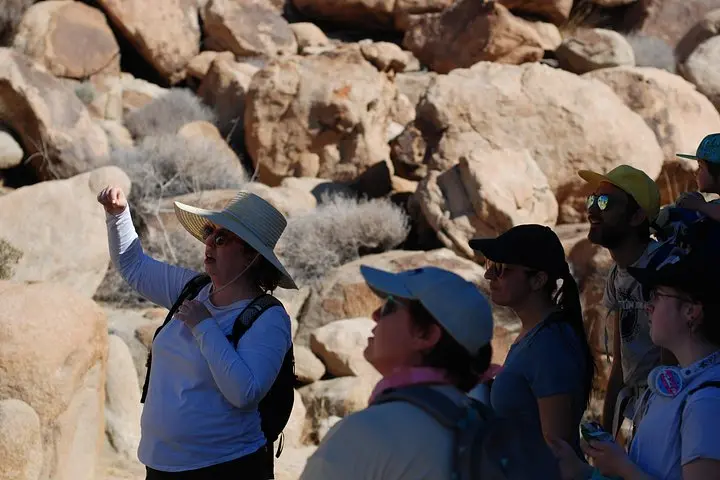
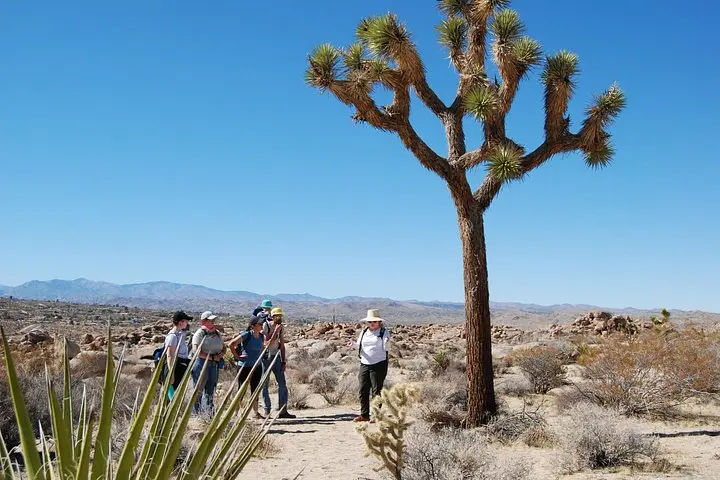
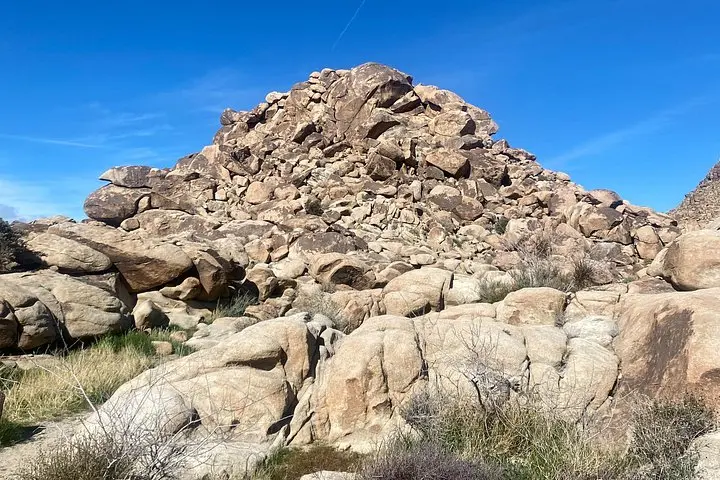
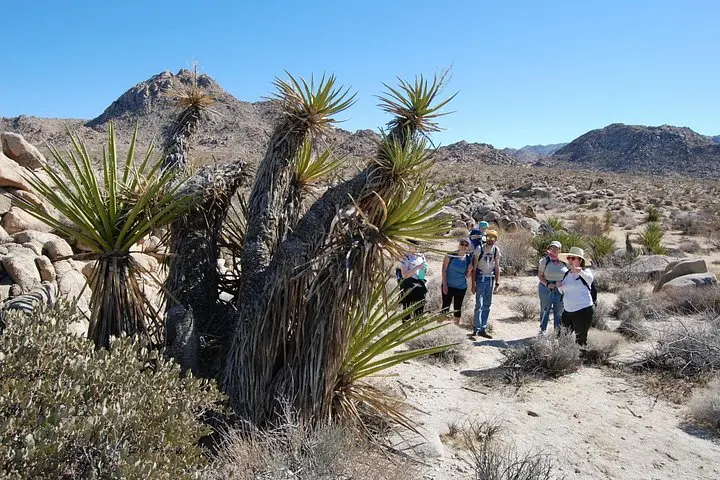
You step out of the car and the silence of the high desert closes around you — wind working over spiky leaves and weathered rock faces. The guide leads the way, pointing out a Joshua tree whose branches look as if someone trained them like a bonsai, then pauses at a scatter of quartz that glitters in the sun. This is not a race; it’s a close reading of a landscape that took millennia to assemble.
You step out of the car and the silence of the high desert closes around you — wind working over spiky leaves and weathered rock faces. The guide leads the way, pointing out a Joshua tree whose branches look as if someone trained them like a bonsai, then pauses at a scatter of quartz that glitters in the sun. This is not a race; it’s a close reading of a landscape that took millennia to assemble.
The trail winds just over two miles round trip and sits on the Mojave Desert’s edge, an area shaped by ancient uplift and repeated cycles of flash floods that sculpt gneiss and granite into the park’s signature boulder piles. Indigenous groups, including the Serrano and Cahuilla, used many local plants — creosote, juniper, cholla — for food, medicine, and tools; the guide will often point out those cultural connections.
Expect sandy washes, gravelly stretches, and short uphill pitches rather than sustained climbs. Animals are most active in cooler hours: lizards sun on rocks, jackrabbits flick ears along the scrub, and if you’re lucky you may glimpse a desert tortoise near cactus cover. The guide will debunk common myths about Joshua Tree and explain how geological time reads in joints, exfoliation slabs, and erratic boulders.
Practical notes: bring at least one liter of water per person, sturdy shoes with good traction for sandy patches, sun protection, and a light layer for morning breezes. The hike runs about 90–120 minutes with a brief 30-minute return to the cars; restrooms are available at the meeting spot. Move deliberately, respect fragile soils and cryptobiotic crusts, and you’ll come away with a clear sense of how life endures where conditions are spare but dramatic.