THE ADVENTURE COLLECTIVE® · Independent discovery and booking for outdoor travel

Explore the Angkor complex across a private multi‑day itinerary with round‑trip airport transfers and a local guide. Visit Angkor Thom, Ta Prohm and Angkor Wat with time for context, photography and respectful discovery.
Explore the Angkor complex across a private multi‑day itinerary with round‑trip airport transfers and a local guide. Visit Angkor Thom, Ta Prohm and Angkor Wat with time for context, photography and respectful discovery.
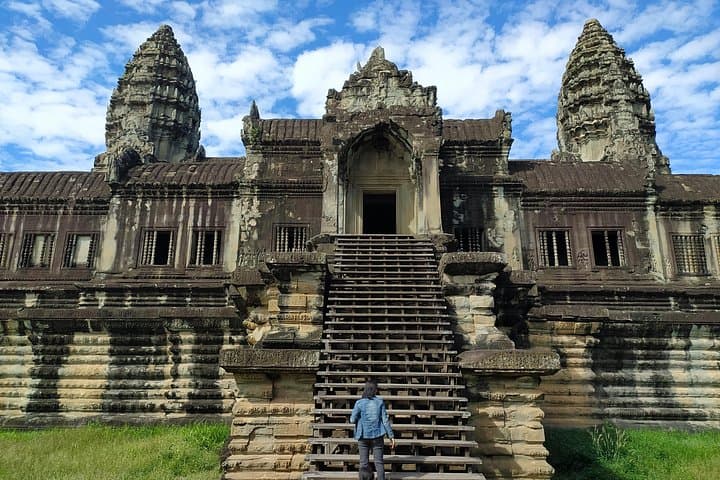
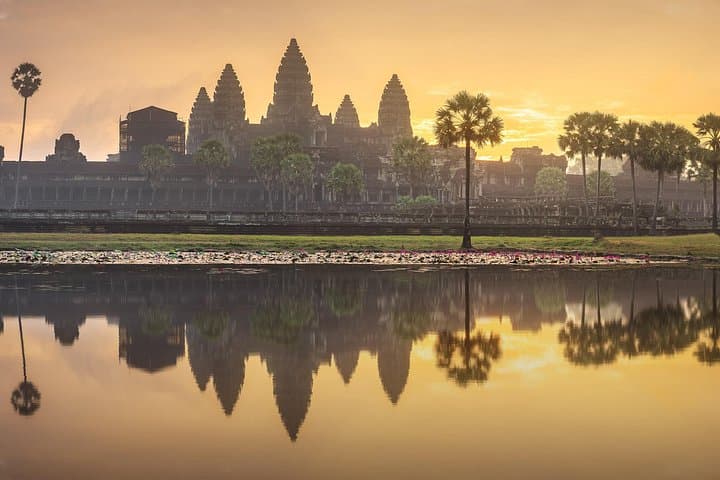
You step from the humid Siem Reap air into a van with a guide who speaks histories like maps; the road opens toward stone forests where towers rise from roots. Morning light slices the bas‑reliefs of Angkor Wat; later that day the jungle seems to rearrange itself around Ta Prohm’s strangler figs, the roots daring you to look closer.
Verified experiences and guided adventures in the surrounding area.
Operated by Tour East Cambodia · Siem Reap, Siem Reap Province
You step from the humid Siem Reap air into a van with a guide who speaks histories like maps; the road opens toward stone forests where towers rise from roots. Morning light slices the bas‑reliefs of Angkor Wat; later that day the jungle seems to rearrange itself around Ta Prohm’s strangler figs, the roots daring you to look closer.
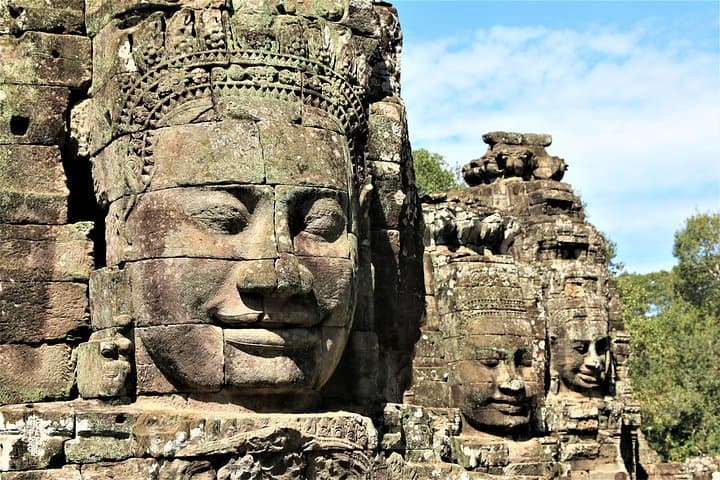
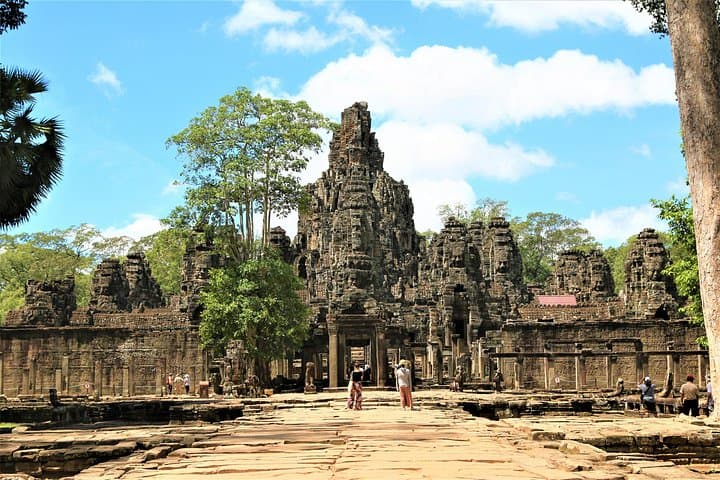
This three‑day itinerary follows the arc of the Khmer empire—late 12th‑century Angkor Thom and the Bayon with its many smiling faces, the mountain‑like façade of Baphuon, and Angkor Wat’s long galleries of bas‑relief storytelling. Geologically the complex sits on a low, alluvial plain ringed by the West Baray reservoir, whose seasonal water levels once powered rice agriculture that kept the city fed.
Culturally, the temples remain living monuments: monks in saffron move through doorways that have borne kings and colonial explorers. The area’s conservation depends on visitor fees and careful routing; parts of towers and stairways are fragile and access can change with restoration and religious observances.
Practically: expect lots of flat walking with occasional steep temple stairs—total daily distances vary but plan on 3–6 km on touring days with many pauses. Dress for heat and respect: shoulders and knees should be covered inside sacred spaces. Carry 1–2 liters of water, a sun hat, and a small first‑aid kit. Aim for sunrise at Angkor Wat or late afternoon light at Pre Rup to avoid mid‑day crowds.
This private, multi‑day option includes airport transfers, guided explanations that decode the bas‑reliefs, and local lunch—making it a practical way to move between Siem Reap and the great stone city with time to breathe and to read the stones on your own terms.
Check your booking confirmation—this tour lists admission as included where applicable, but some bookings require guests to present or purchase the Angkor Park pass on arrival.
Transport and some flat temple grounds are wheelchair accessible, but many temple areas have steps or narrow walkways and top towers may be closed to those with mobility challenges.
Arrive for early morning sunrise or late afternoon visits; December–February is busiest overall, while wet season mornings can be quieter.
Yes; the tour is suitable for families, but plan shorter temple segments and supervise children on steep or slippery stairs.
Tour East Cambodia operates guided outdoor trips and adventures with an emphasis on safety, stewardship, and memorable experiences.
You step from the humid Siem Reap air into a van with a guide who speaks histories like maps; the road opens toward stone forests where towers rise from roots. Morning light slices the bas‑reliefs of Angkor Wat; later that day the jungle seems to rearrange itself around Ta Prohm’s strangler figs, the roots daring you to look closer.
You step from the humid Siem Reap air into a van with a guide who speaks histories like maps; the road opens toward stone forests where towers rise from roots. Morning light slices the bas‑reliefs of Angkor Wat; later that day the jungle seems to rearrange itself around Ta Prohm’s strangler figs, the roots daring you to look closer.
This three‑day itinerary follows the arc of the Khmer empire—late 12th‑century Angkor Thom and the Bayon with its many smiling faces, the mountain‑like façade of Baphuon, and Angkor Wat’s long galleries of bas‑relief storytelling. Geologically the complex sits on a low, alluvial plain ringed by the West Baray reservoir, whose seasonal water levels once powered rice agriculture that kept the city fed.
Culturally, the temples remain living monuments: monks in saffron move through doorways that have borne kings and colonial explorers. The area’s conservation depends on visitor fees and careful routing; parts of towers and stairways are fragile and access can change with restoration and religious observances.
Practically: expect lots of flat walking with occasional steep temple stairs—total daily distances vary but plan on 3–6 km on touring days with many pauses. Dress for heat and respect: shoulders and knees should be covered inside sacred spaces. Carry 1–2 liters of water, a sun hat, and a small first‑aid kit. Aim for sunrise at Angkor Wat or late afternoon light at Pre Rup to avoid mid‑day crowds.
This private, multi‑day option includes airport transfers, guided explanations that decode the bas‑reliefs, and local lunch—making it a practical way to move between Siem Reap and the great stone city with time to breathe and to read the stones on your own terms.