THE ADVENTURE COLLECTIVE® · Independent discovery and booking for outdoor travel

Spend a full day tracing Georgia’s southern stories — from the cliff-hewn caves of Vardzia to the multicultural ramparts of Rabati and the mineral springs and trails of Borjomi. This guided tour pairs compact hikes with cultural sites and panoramic viewpoints.
Spend a full day tracing Georgia’s southern stories — from the cliff-hewn caves of Vardzia to the multicultural ramparts of Rabati and the mineral springs and trails of Borjomi. This guided tour pairs compact hikes with cultural sites and panoramic viewpoints.
You arrive before the day warms, the air sharp with mountain spring; the cliff-face of Vardzia looms ahead, a honeycomb of caves cut into Erusheti’s basalt, light sliding across worn stone steps.
Verified experiences and guided adventures in the surrounding area.
Operated by Davit Beruashvili · Vardzia, Samtskhe-Javakheti
You arrive before the day warms, the air sharp with mountain spring; the cliff-face of Vardzia looms ahead, a honeycomb of caves cut into Erusheti’s basalt, light sliding across worn stone steps.
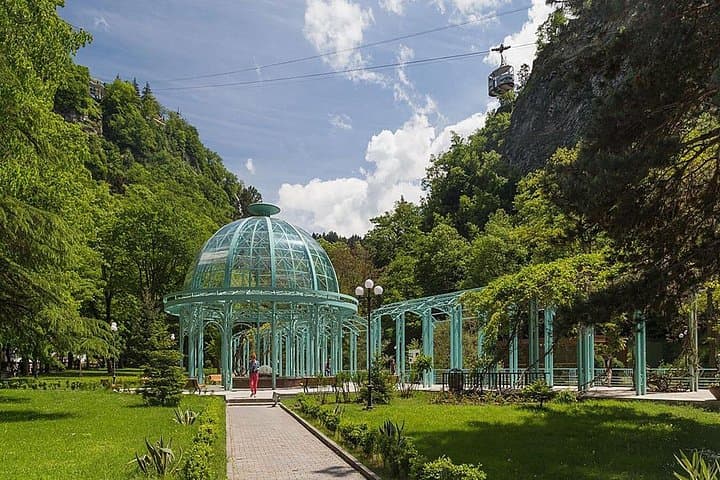
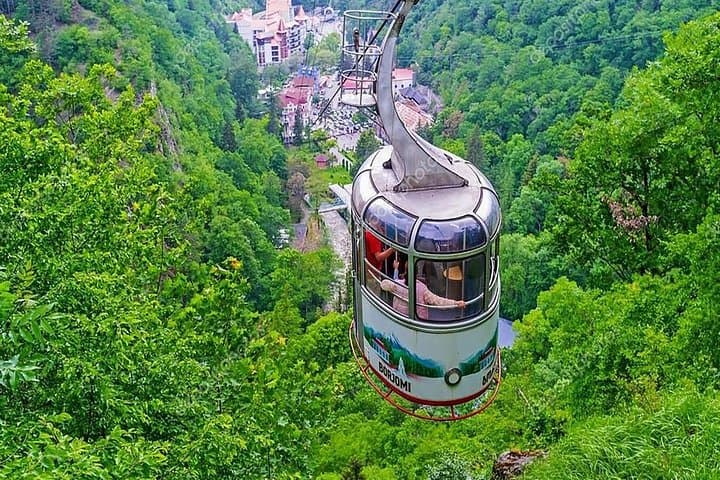
The route moves from the high cliff monastery down into narrow tunnels where frescoes still hold colour, then onward to Rabati fortress in Akhaltsikhe — a stitched landscape of medieval walls, a mosque, and a synagogue — before easing into Borjomi’s mineral-fed park and the shadowed ridgelines of Borjomi-Kharagauli National Park.
Vardzia dates to the 12th century, a defensive monastic city hewn during Queen Tamar’s era; its geology is volcanic tuff softened by time, which made lengthy cave complexes possible. Rabati tells Georgia’s multicultural story in stone and mortar, while Borjomi’s springs reflect a long local practice of mineral-based wellness.
Expect uneven stone steps, short tunnel crawls and viewpoints that demand steady footing; total driving and touring time runs about eight to nine hours. Terrain varies: cliff ledges with 100–200 m local elevation changes, cobbled fortress ramps and gentle park trails in Borjomi with options for 1–5 km walks.
Practical notes: bring layered clothing, sturdy shoes with good grip, and small cash for site tickets and local lunch. Hydrate before you set out and allow extra time on steeper sections; guides typically provide bottled water in summer. The day balances history and light outdoor movement — rewarding for travelers who like culture with a measure of rugged landscape.
No; site admission for Vardzia, Rabati and local museums is typically paid on-site—budget roughly 17–20 GEL per major site.
Expect intermittent walking: exploring Vardzia involves stairs and tunnels (short but steep), Rabati requires walking around fortress grounds, and Borjomi offers easy park trails of 1–5 km.
Yes for most, but be aware of steep steps and uneven surfaces at Vardzia; those with limited mobility may not access all cave levels.
Lunch is not included—there is usually a stop at a local restaurant where you can sample regional cuisine; vegetarian options are often available.
Davit Beruashvili operates guided outdoor trips and adventures with an emphasis on safety, stewardship, and memorable experiences.
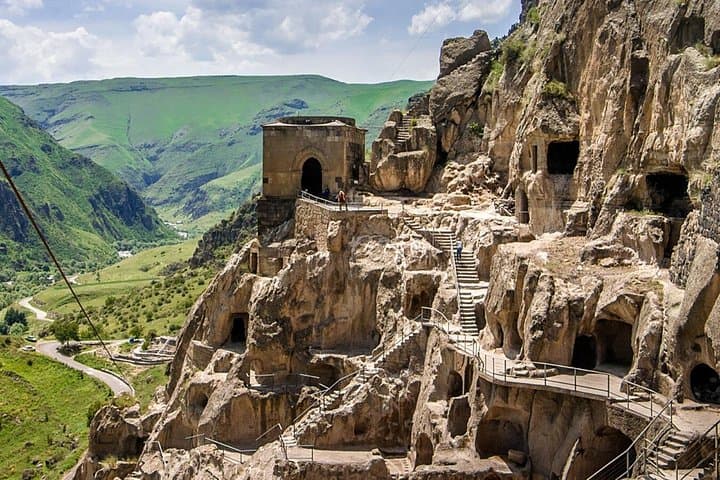

You arrive before the day warms, the air sharp with mountain spring; the cliff-face of Vardzia looms ahead, a honeycomb of caves cut into Erusheti’s basalt, light sliding across worn stone steps.
You arrive before the day warms, the air sharp with mountain spring; the cliff-face of Vardzia looms ahead, a honeycomb of caves cut into Erusheti’s basalt, light sliding across worn stone steps.
The route moves from the high cliff monastery down into narrow tunnels where frescoes still hold colour, then onward to Rabati fortress in Akhaltsikhe — a stitched landscape of medieval walls, a mosque, and a synagogue — before easing into Borjomi’s mineral-fed park and the shadowed ridgelines of Borjomi-Kharagauli National Park.
Vardzia dates to the 12th century, a defensive monastic city hewn during Queen Tamar’s era; its geology is volcanic tuff softened by time, which made lengthy cave complexes possible. Rabati tells Georgia’s multicultural story in stone and mortar, while Borjomi’s springs reflect a long local practice of mineral-based wellness.
Expect uneven stone steps, short tunnel crawls and viewpoints that demand steady footing; total driving and touring time runs about eight to nine hours. Terrain varies: cliff ledges with 100–200 m local elevation changes, cobbled fortress ramps and gentle park trails in Borjomi with options for 1–5 km walks.
Practical notes: bring layered clothing, sturdy shoes with good grip, and small cash for site tickets and local lunch. Hydrate before you set out and allow extra time on steeper sections; guides typically provide bottled water in summer. The day balances history and light outdoor movement — rewarding for travelers who like culture with a measure of rugged landscape.