
Journey to Göbeklitepe and Karahantepe: Full-Day Archaeological Tour from Istanbul
Walk among 12,000-year-old T-shaped pillars and newly opened chambers on a full-day archaeological tour from Istanbul. Led by expert guides, this small-group trip pairs Göbeklitepe’s monumental circles with Karahantepe’s intimate carvings for a deep dive into early Neolithic ritual landscapes.
An Adventure In Şanlıurfa.
Walk among 12,000-year-old T-shaped pillars and newly opened chambers on a full-day archaeological tour from Istanbul. Led by expert guides, this small-group trip pairs Göbeklitepe’s monumental circles with Karahantepe’s intimate carvings for a deep dive into early Neolithic ritual landscapes.
Read the full experience
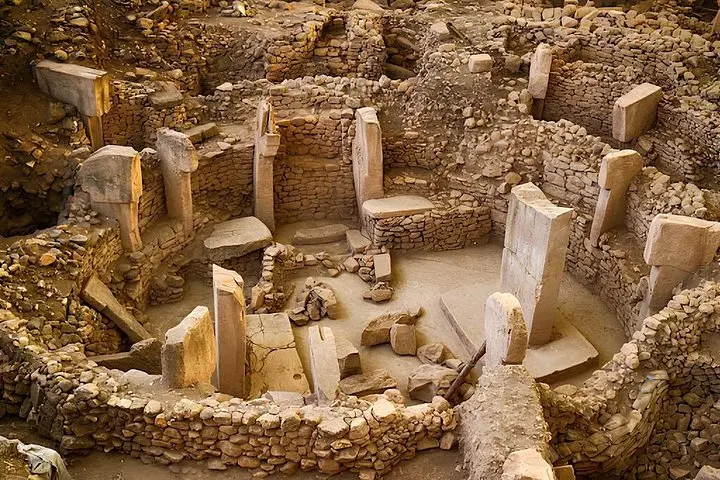
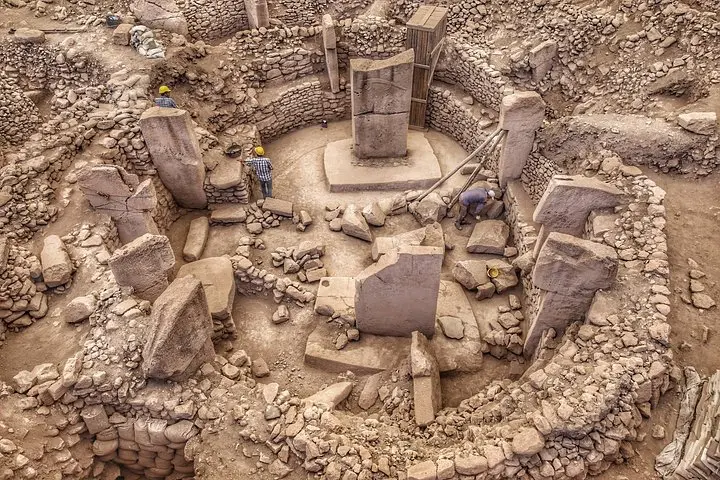
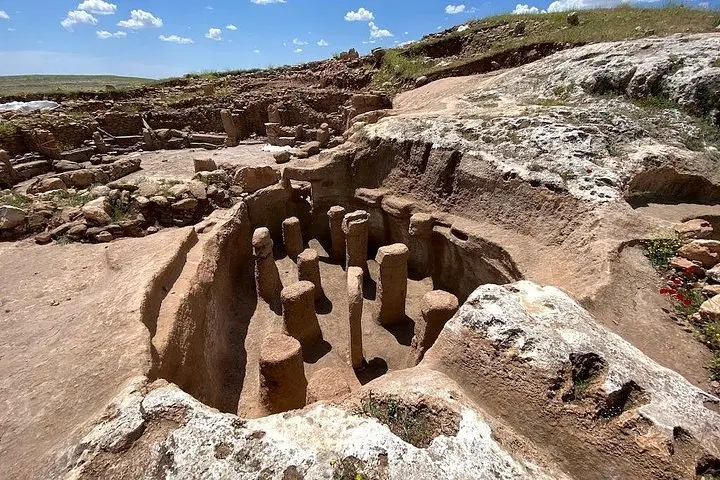
You arrive at a low limestone ridge under a wide Anatolian sky; wind tugs at the echo of millennia and the carved T-pillars loom like mute storytellers. Walking the excavated circles at Göbeklitepe, you feel the scale of work by hunter-gatherer hands—pillars taller than a person, animals and symbols cut into stone—while Karahantepe’s intimate chambers and carved figures offer a quieter, more recent counterpoint.
You arrive at a low limestone ridge under a wide Anatolian sky; wind tugs at the echo of millennia and the carved T-pillars loom like mute storytellers. Walking the excavated circles at Göbeklitepe, you feel the scale of work by hunter-gatherer hands—pillars taller than a person, animals and symbols cut into stone—while Karahantepe’s intimate chambers and carved figures offer a quieter, more recent counterpoint.
This region, the Taş Tepeler (Stone Hills) of southeastern Anatolia, rewrote prehistoric timelines when researchers dated Göbeklitepe to roughly 9600 BCE. Geologically the sites sit on plateaus of Eocene limestone, weathered into gentle ridgelines that funneled ancient movement and ritual. Culturally, the complexes suggest complex belief systems before settled agriculture—sites that force a rethink of when social complexity emerged.
Practical guidance: most full-day tours run from Şanlıurfa (commonly reached by a short domestic flight from Istanbul) and combine museum stops, transfers, and guided time at each site. Plan for limited shade, variable walking surfaces—packed earth, stone steps, and short inclines—and brief climbs to viewpoints. Follow site rules: no touching carved surfaces, stay on marked paths, and allow extra time for interpretive briefings from archaeologists if included. Bring water, sun protection, and comfortable walking shoes; energy levels and mobility matter because visits involve multiple short walks and standing during explanations.
Timing: early morning visits avoid heat and crowds. Respect the fragile archaeology—photograph but don’t disturb. The payoff is immediate: standing before stone carved before farming felt like an act of discovery, and the land keeps pushing those stories forward.
Frequently asked questions
Most full‑day options include a short domestic flight to Şanlıurfa (GAP Airport) followed by a 30–60 minute transfer to the sites; confirm logistics when booking.
Basic facilities and visitor centers exist near Göbeklitepe; plan to eat at designated stops or in Şanlıurfa—bring snacks for the field portion.
Yes—photography for personal use is generally allowed, but avoid flash on sensitive surfaces and always follow guide directions.
The sites have uneven ground and some steps; those with significant mobility limitations should check accessibility details with the operator in advance.
About This Experience
Tours of You operates guided outdoor trips and adventures with an emphasis on safety, stewardship, and memorable experiences.
Adventure tips
Recommended gear
- Sturdy walking shoes: Protects feet on uneven limestone paths and short stairways.
- Reusable water bottle (1–2L): Keeps you hydrated through long, exposed stretches between shade.
- Sun hat and sunscreen: Reduces sun exposure during midday explanations and open viewpoints.
- Light windproof layer: Useful for cool, windy mornings or winter visits.
Photos of the experience
Related adventures & guides
Read the full experience
You arrive at a low limestone ridge under a wide Anatolian sky; wind tugs at the echo of millennia and the carved T-pillars loom like mute storytellers. Walking the excavated circles at Göbeklitepe, you feel the scale of work by hunter-gatherer hands—pillars taller than a person, animals and symbols cut into stone—while Karahantepe’s intimate chambers and carved figures offer a quieter, more recent counterpoint.
You arrive at a low limestone ridge under a wide Anatolian sky; wind tugs at the echo of millennia and the carved T-pillars loom like mute storytellers. Walking the excavated circles at Göbeklitepe, you feel the scale of work by hunter-gatherer hands—pillars taller than a person, animals and symbols cut into stone—while Karahantepe’s intimate chambers and carved figures offer a quieter, more recent counterpoint.
This region, the Taş Tepeler (Stone Hills) of southeastern Anatolia, rewrote prehistoric timelines when researchers dated Göbeklitepe to roughly 9600 BCE. Geologically the sites sit on plateaus of Eocene limestone, weathered into gentle ridgelines that funneled ancient movement and ritual. Culturally, the complexes suggest complex belief systems before settled agriculture—sites that force a rethink of when social complexity emerged.
Practical guidance: most full-day tours run from Şanlıurfa (commonly reached by a short domestic flight from Istanbul) and combine museum stops, transfers, and guided time at each site. Plan for limited shade, variable walking surfaces—packed earth, stone steps, and short inclines—and brief climbs to viewpoints. Follow site rules: no touching carved surfaces, stay on marked paths, and allow extra time for interpretive briefings from archaeologists if included. Bring water, sun protection, and comfortable walking shoes; energy levels and mobility matter because visits involve multiple short walks and standing during explanations.
Timing: early morning visits avoid heat and crowds. Respect the fragile archaeology—photograph but don’t disturb. The payoff is immediate: standing before stone carved before farming felt like an act of discovery, and the land keeps pushing those stories forward.
Make a day of it nearby.
Verified experiences and guided adventures in the surrounding area.