THE ADVENTURE COLLECTIVE® · Independent discovery and booking for outdoor travel

Explore Belle Meade’s grounds on a one-hour Journey to Jubilee tour that centers the stories of the African Americans who lived and worked at the estate. The guided walk ends with a complimentary wine tasting and time to explore 30 acres of historic outbuildings and paths.
Explore Belle Meade’s grounds on a one-hour Journey to Jubilee tour that centers the stories of the African Americans who lived and worked at the estate. The guided walk ends with a complimentary wine tasting and time to explore 30 acres of historic outbuildings and paths.
Morning light slices across the gravel walkways at Belle Meade, and the guide gathers the small group beneath oaks that have watched this land shift through centuries. Voices lower as primary-source readings begin; the air holds the steady hush of a site where human labor and agricultural enterprise shaped both landscape and lives.
Verified experiences and guided adventures in the surrounding area.
Operated by Belle Meade Historic Site & Winery · Nashville, Tennessee
Morning light slices across the gravel walkways at Belle Meade, and the guide gathers the small group beneath oaks that have watched this land shift through centuries. Voices lower as primary-source readings begin; the air holds the steady hush of a site where human labor and agricultural enterprise shaped both landscape and lives.
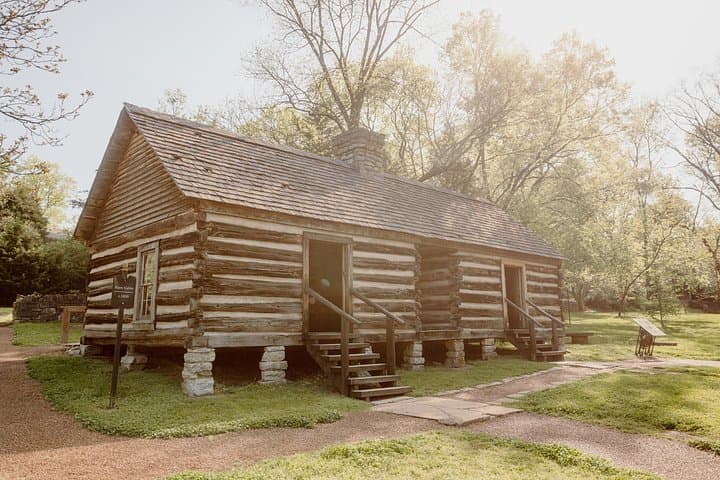
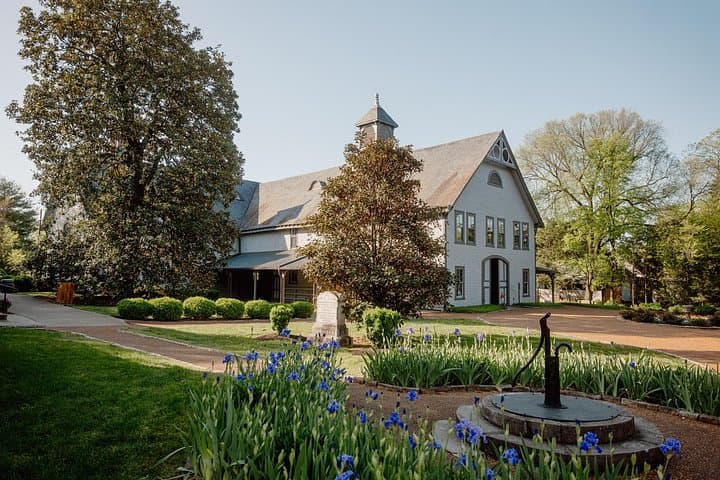
The Journey to Jubilee tour moves across 30 acres of outbuildings, carriage paths and formal yards, tracing the arc from enslavement to emancipation and the complicated years after 1865. Belle Meade’s grounds reflect Tennessee’s antebellum plantation economy and later reputation as a center of thoroughbred breeding—the soil here remembers fences, stables and the rhythms of working horses.
Culturally the tour foregrounds the lived experiences of the African Americans who made the estate possible, using documents and dialogue to surface names and roles too often marginalized in older narratives. Guides balance historical detail with respectful interpretation, and the winery on-site connects preservation funding with public access.
Practically, this is an interpretive walking experience: expect 30–60 minutes on foot, several short stair sets, and outdoor conversation that can be emotionally intense. Arrive early to check in at Visitor Services, wear sturdy walking shoes, and bring a water bottle—tasting follows the tour and is included. The program is best for visitors aged 12 and up; it’s accessible but requires standing and walking. For those planning a visit from Nashville, pair the hour-long tour with a self-guided stroll of the grounds or a longer Mansion Tour booked separately to see interior restoration work.
Yes; a complimentary wine sampling at the on-site Belle Meade Winery is included after the guided tour.
No; Mansion Tours are separate and must be booked independently—this ticket covers the Journey to Jubilee walking tour and grounds access.
The site notes wheelchair and stroller accessibility, but parts of the grounds include stairs and uneven surfaces—contact Visitor Services for specific accommodations.
Yes, due to the sensitive nature of the material, the tour is recommended for visitors aged 12 and older.
Belle Meade Historic Site & Winery operates guided outdoor trips and adventures with an emphasis on safety, stewardship, and memorable experiences.


Morning light slices across the gravel walkways at Belle Meade, and the guide gathers the small group beneath oaks that have watched this land shift through centuries. Voices lower as primary-source readings begin; the air holds the steady hush of a site where human labor and agricultural enterprise shaped both landscape and lives.
Morning light slices across the gravel walkways at Belle Meade, and the guide gathers the small group beneath oaks that have watched this land shift through centuries. Voices lower as primary-source readings begin; the air holds the steady hush of a site where human labor and agricultural enterprise shaped both landscape and lives.
The Journey to Jubilee tour moves across 30 acres of outbuildings, carriage paths and formal yards, tracing the arc from enslavement to emancipation and the complicated years after 1865. Belle Meade’s grounds reflect Tennessee’s antebellum plantation economy and later reputation as a center of thoroughbred breeding—the soil here remembers fences, stables and the rhythms of working horses.
Culturally the tour foregrounds the lived experiences of the African Americans who made the estate possible, using documents and dialogue to surface names and roles too often marginalized in older narratives. Guides balance historical detail with respectful interpretation, and the winery on-site connects preservation funding with public access.
Practically, this is an interpretive walking experience: expect 30–60 minutes on foot, several short stair sets, and outdoor conversation that can be emotionally intense. Arrive early to check in at Visitor Services, wear sturdy walking shoes, and bring a water bottle—tasting follows the tour and is included. The program is best for visitors aged 12 and up; it’s accessible but requires standing and walking. For those planning a visit from Nashville, pair the hour-long tour with a self-guided stroll of the grounds or a longer Mansion Tour booked separately to see interior restoration work.