THE ADVENTURE COLLECTIVE® · Independent discovery and booking for outdoor travel

Drive into Jamaica’s uplands to visit Nine Mile, the modest village where Bob Marley was born and is buried. This private day trip from Montego Bay navigates rugged roads through Saint Ann, delivering up-close cultural history, a tiny childhood home, and a moving mausoleum experience.
Drive into Jamaica’s uplands to visit Nine Mile, the modest village where Bob Marley was born and is buried. This private day trip from Montego Bay navigates rugged roads through Saint Ann, delivering up-close cultural history, a tiny childhood home, and a moving mausoleum experience.
You leave Montego Bay with the sea shrinking behind you and the road bending into the uplands of Saint Ann — a ribbon of asphalt that quickly becomes rocky lanes cut into the Cockpit Country. Hills push up around the van like patient listeners; boulders and sugarcane fields punctuate the climb, and the air grows cooler as you climb toward the village of Nine Mile.
Verified experiences and guided adventures in the surrounding area.
Operated by Thriller Paradise Tours · Nine Mile, Saint Ann Parish
You leave Montego Bay with the sea shrinking behind you and the road bending into the uplands of Saint Ann — a ribbon of asphalt that quickly becomes rocky lanes cut into the Cockpit Country. Hills push up around the van like patient listeners; boulders and sugarcane fields punctuate the climb, and the air grows cooler as you climb toward the village of Nine Mile.
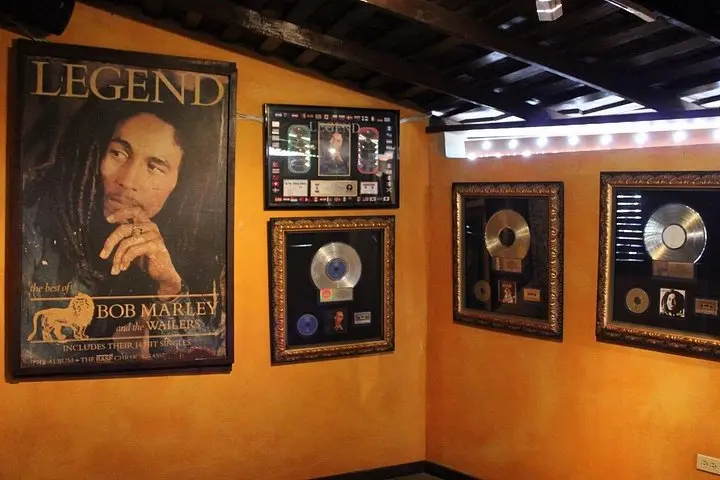
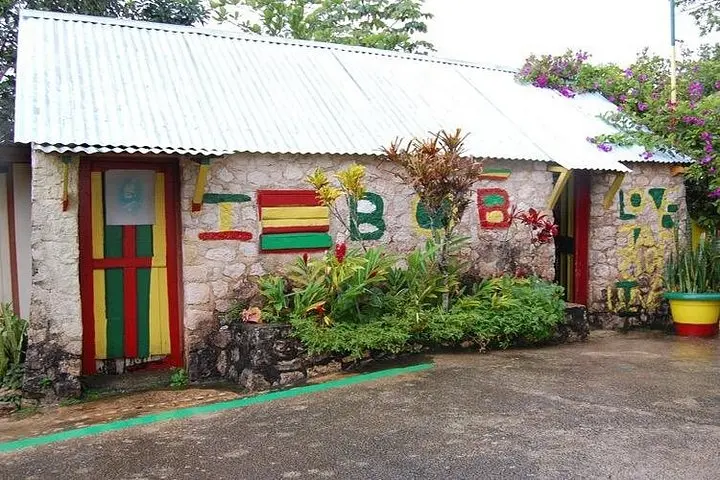
Nine Mile is small and plainly honest: the childhood house where Bob Marley was born, a painted rock used by the young Marley for songwriting and reflection, and the modest mausoleum where he and his mother rest. The site compresses Jamaica’s 20th‑century cultural history into a handful of buildings and memorials — reggae, Rastafari practice, and rural parish life intersect here. Geologically the area reflects limestone karst typical of Jamaica’s interior; the Cockpit Country’s jagged limestone valleys make for the bumpy roads the guide warns about.
Expect a guided, mostly low‑impact visit: brief walks on uneven ground, photo stops, and time at the tomb and tiny house. Admission and private transport are usually included, and trips run about 2–3 hours from Montego Bay depending on traffic. Practical points: wear sturdy shoes, bring sun protection and water, and carry modest cash for local vendors or donations. Respect the mausoleum’s quiet and local customs — this is both a pilgrimage and a village. If you plan on motion‑sick prone, pick a seat toward the front; if you love cultural music history, the place rewards patience and curiosity.
The private trip typically takes about 1.5–2 hours each way depending on traffic and road conditions; the full tour runs about 2–3 hours on site.
The site has uneven ground and steps; close viewing areas may be difficult for wheelchairs—contact the operator about vehicle drop‑off points and assistance.
Photography is generally allowed outdoors; guides will indicate if any indoor or sacred spaces restrict photos and request respectful behavior.
Most private day trips include admission and a local guide who explains the history, though specifics should be confirmed at booking.
Thriller Paradise Tours operates guided outdoor trips and adventures with an emphasis on safety, stewardship, and memorable experiences.

You leave Montego Bay with the sea shrinking behind you and the road bending into the uplands of Saint Ann — a ribbon of asphalt that quickly becomes rocky lanes cut into the Cockpit Country. Hills push up around the van like patient listeners; boulders and sugarcane fields punctuate the climb, and the air grows cooler as you climb toward the village of Nine Mile.
You leave Montego Bay with the sea shrinking behind you and the road bending into the uplands of Saint Ann — a ribbon of asphalt that quickly becomes rocky lanes cut into the Cockpit Country. Hills push up around the van like patient listeners; boulders and sugarcane fields punctuate the climb, and the air grows cooler as you climb toward the village of Nine Mile.
Nine Mile is small and plainly honest: the childhood house where Bob Marley was born, a painted rock used by the young Marley for songwriting and reflection, and the modest mausoleum where he and his mother rest. The site compresses Jamaica’s 20th‑century cultural history into a handful of buildings and memorials — reggae, Rastafari practice, and rural parish life intersect here. Geologically the area reflects limestone karst typical of Jamaica’s interior; the Cockpit Country’s jagged limestone valleys make for the bumpy roads the guide warns about.
Expect a guided, mostly low‑impact visit: brief walks on uneven ground, photo stops, and time at the tomb and tiny house. Admission and private transport are usually included, and trips run about 2–3 hours from Montego Bay depending on traffic. Practical points: wear sturdy shoes, bring sun protection and water, and carry modest cash for local vendors or donations. Respect the mausoleum’s quiet and local customs — this is both a pilgrimage and a village. If you plan on motion‑sick prone, pick a seat toward the front; if you love cultural music history, the place rewards patience and curiosity.