THE ADVENTURE COLLECTIVE® · Independent discovery and booking for outdoor travel

Move from Lima's colonial heart to the high Andean plains on an 11-day route that links Arequipa, Colca Canyon, Lake Titicaca, the Sacred Valley and Machu Picchu. Expect dramatic geology, living indigenous culture and high-altitude travel logistics.
Move from Lima's colonial heart to the high Andean plains on an 11-day route that links Arequipa, Colca Canyon, Lake Titicaca, the Sacred Valley and Machu Picchu. Expect dramatic geology, living indigenous culture and high-altitude travel logistics.
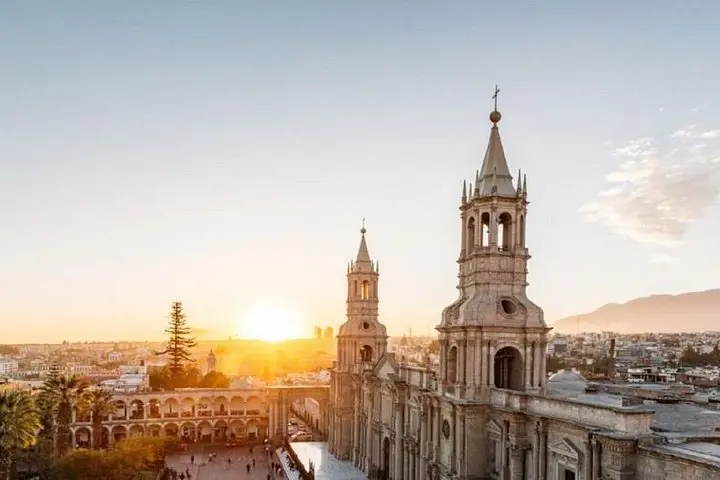
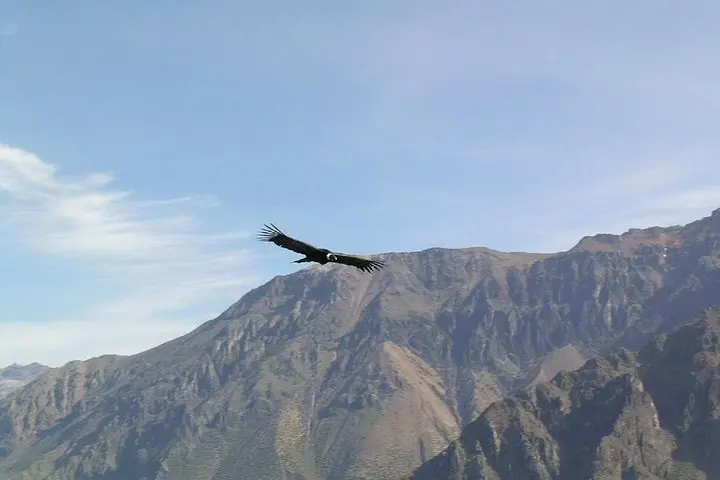
A dry morning in Lima gives way to humid ocean air, colonial stone and the slow rhythm of city traffic fading under the wheels of a small bus bound for the highlands. Over eleven days you'll ride from the Pacific coast into volcanic plateaus, watch the light sharpen on Arequipa's white sillar stone, and feel the Andean wind press you toward Colca Canyon's rim where condors wheel on thermals.
Verified experiences and guided adventures in the surrounding area.
Operated by Tangol · Cusco, Cusco Region
A dry morning in Lima gives way to humid ocean air, colonial stone and the slow rhythm of city traffic fading under the wheels of a small bus bound for the highlands. Over eleven days you'll ride from the Pacific coast into volcanic plateaus, watch the light sharpen on Arequipa's white sillar stone, and feel the Andean wind press you toward Colca Canyon's rim where condors wheel on thermals.
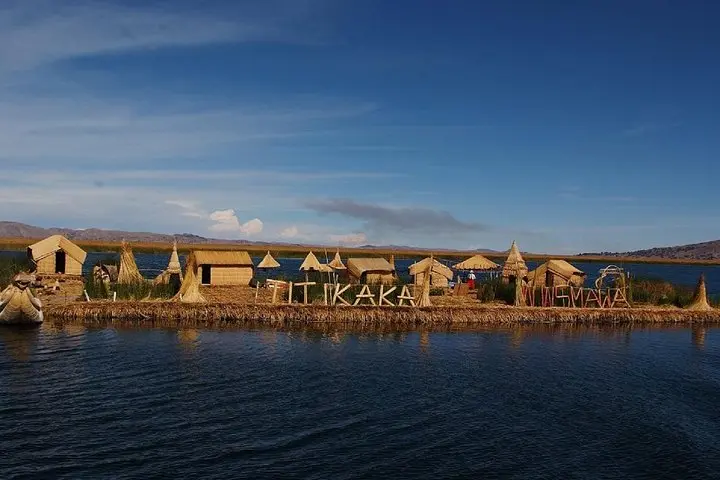
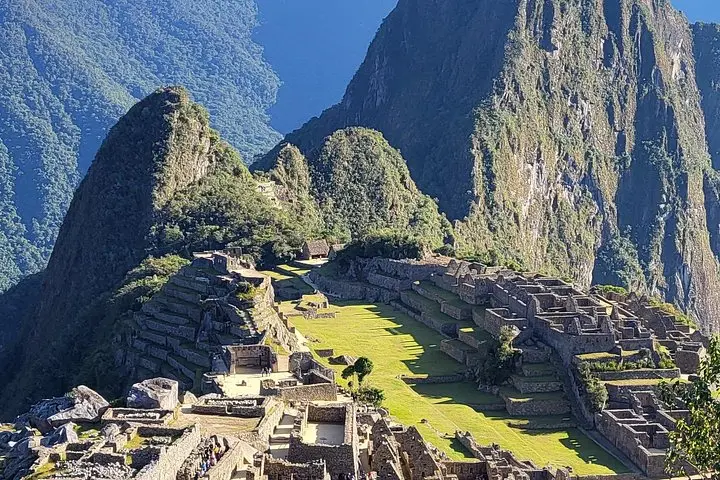
This route threads pre-Columbian sites, Spanish colonial centers and living Andean communities. Geology shifts dramatically: coastal terraces give way to Puna grasslands, then the carved terraces and stepped stone of Inca engineering in the Sacred Valley and Machu Picchu. Puno's Lake Titicaca preserves Aymara and Quechua traditions on totora reed islands while Cusco holds the layered history of Tawantinsuyu and colonial church-building.
Expect cultural exchange as much as sightseeing—markets, small museums, and village visits where handicraft, textiles and oral memory are daily life. Altitude governs the trip: La Raya and Puno sit above 3,800 m; acclimatization and steady pacing matter.
Practically: bring layers for wide temperature swings, allow time for gentle acclimatization in Arequipa or Puno, and plan for multiple transfers by road and short internal flights. Footwear should handle cobbled streets and short trails; hydration and sun protection are constant needs. If Machu Picchu is the highlight, reserve energy for steep stairs and early starts to catch the light. This tour blends accessible cultural immersion with high-Andean landscapes—rewarding, expansive and deliberately paced.
Yes—plan gentle activity on arrival days and consider arriving 24–48 hours early if you are sensitive to altitude.
The itinerary notes a Train Expedition to Machu Picchu and guided visits; confirm specific entrance tickets (Machu Picchu permits) with the operator at booking.
The guided visit involves steep staircases and uneven terraces; you don’t need technical climbing skills but should be comfortable with uphill walking.
Yes—these are regular tourist stops on Lake Titicaca using local boats; follow guide instructions and respect local customs.
Tangol operates guided outdoor trips and adventures with an emphasis on safety, stewardship, and memorable experiences.
A dry morning in Lima gives way to humid ocean air, colonial stone and the slow rhythm of city traffic fading under the wheels of a small bus bound for the highlands. Over eleven days you'll ride from the Pacific coast into volcanic plateaus, watch the light sharpen on Arequipa's white sillar stone, and feel the Andean wind press you toward Colca Canyon's rim where condors wheel on thermals.
A dry morning in Lima gives way to humid ocean air, colonial stone and the slow rhythm of city traffic fading under the wheels of a small bus bound for the highlands. Over eleven days you'll ride from the Pacific coast into volcanic plateaus, watch the light sharpen on Arequipa's white sillar stone, and feel the Andean wind press you toward Colca Canyon's rim where condors wheel on thermals.
This route threads pre-Columbian sites, Spanish colonial centers and living Andean communities. Geology shifts dramatically: coastal terraces give way to Puna grasslands, then the carved terraces and stepped stone of Inca engineering in the Sacred Valley and Machu Picchu. Puno's Lake Titicaca preserves Aymara and Quechua traditions on totora reed islands while Cusco holds the layered history of Tawantinsuyu and colonial church-building.
Expect cultural exchange as much as sightseeing—markets, small museums, and village visits where handicraft, textiles and oral memory are daily life. Altitude governs the trip: La Raya and Puno sit above 3,800 m; acclimatization and steady pacing matter.
Practically: bring layers for wide temperature swings, allow time for gentle acclimatization in Arequipa or Puno, and plan for multiple transfers by road and short internal flights. Footwear should handle cobbled streets and short trails; hydration and sun protection are constant needs. If Machu Picchu is the highlight, reserve energy for steep stairs and early starts to catch the light. This tour blends accessible cultural immersion with high-Andean landscapes—rewarding, expansive and deliberately paced.