THE ADVENTURE COLLECTIVE® · Independent discovery and booking for outdoor travel

Spend a day between Jozani's mangrove boardwalks and the open sea off Kizimkazi. This combined forest walk and small-boat dolphin search pairs endemic wildlife viewing with coastal snorkeling on a full-day trip from Stone Town.
Spend a day between Jozani's mangrove boardwalks and the open sea off Kizimkazi. This combined forest walk and small-boat dolphin search pairs endemic wildlife viewing with coastal snorkeling on a full-day trip from Stone Town.
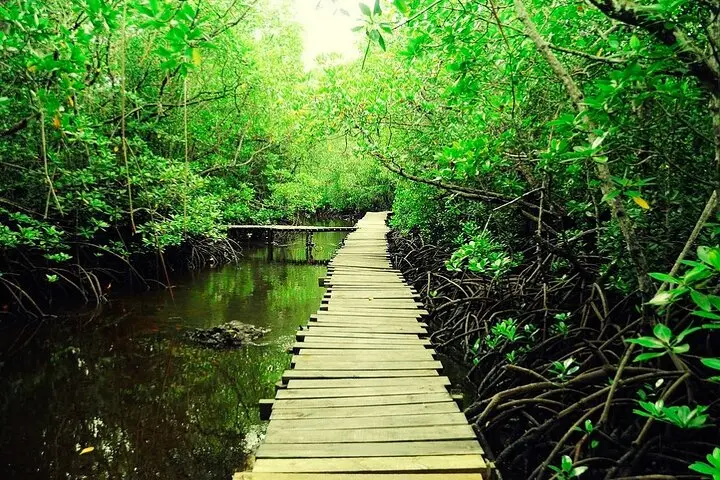
You step out of the air‑conditioned transfer onto a red earth lane and the forest inhales around you — humid, peppered with distant calls and the rustle of leaves. The Jozani boardwalk threads through mangrove water like a quiet invitation; the trees tug the tide and bend the light. A short, guided walk brings you face to face with Zanzibar's red colobus monkeys as they move through the canopy with unnerving ease.
Verified experiences and guided adventures in the surrounding area.
Operated by Noun Travel · Jozani, Zanzibar
You step out of the air‑conditioned transfer onto a red earth lane and the forest inhales around you — humid, peppered with distant calls and the rustle of leaves. The Jozani boardwalk threads through mangrove water like a quiet invitation; the trees tug the tide and bend the light. A short, guided walk brings you face to face with Zanzibar's red colobus monkeys as they move through the canopy with unnerving ease.
Jozani-Chwaka Bay National Park protects one of the island's last substantial native forests and mangrove systems; its soils are shallow, underlain by coral limestone and shaped by tidal flows that have sculpted the coast for millennia. The area mixes Swahili coastal culture with centuries of seaborne trade — you may pass small villages where dhow building and fishing remain daily life.
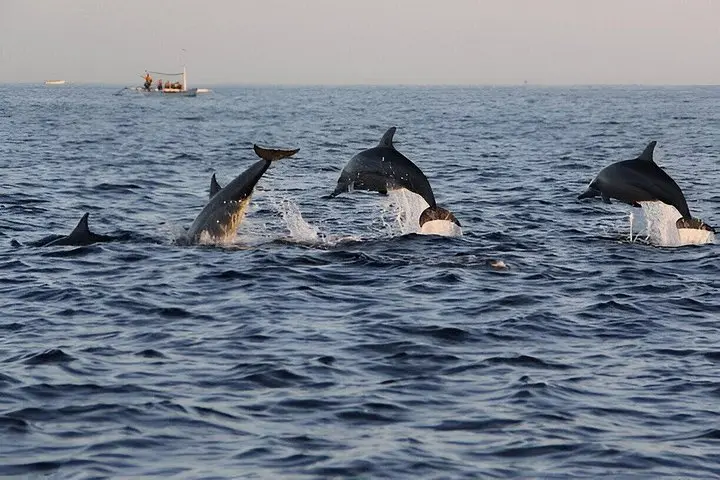
After the forest, the trip pivots to the coast. In Kizimkazi, a six-passenger boat slips into the open sea and you search for Indo‑Pacific dolphins that patrol the reef edges. The ocean here is playful and indifferent; sightings hover around two-thirds of outings, and conditions determine whether you enter the water.
Practical guidance: wear closed‑toe walking shoes for muddy trails, bring reef‑safe sunscreen and a refillable water bottle, and expect a full day — roughly seven hours including transfers. Morning departures give the best light for wildlife and calmer seas. Guides limit interaction with animals; observe quietly and keep a respectful distance to support ongoing conservation.
Operators report roughly a 60–70% sighting rate; sightings depend on sea conditions and animal movement, so they cannot be guaranteed.
Swimming is conditional on local regulations, sea state, and animal behavior; guides will advise if entering the water is appropriate and permitted that day.
No — the main trails and mangrove boardwalk are short and relatively flat, suitable for most ages and fitness levels.
The tour includes snorkeling equipment, but some travelers prefer to bring a personal mask for fit and comfort.
Noun Travel operates guided outdoor trips and adventures with an emphasis on safety, stewardship, and memorable experiences.

You step out of the air‑conditioned transfer onto a red earth lane and the forest inhales around you — humid, peppered with distant calls and the rustle of leaves. The Jozani boardwalk threads through mangrove water like a quiet invitation; the trees tug the tide and bend the light. A short, guided walk brings you face to face with Zanzibar's red colobus monkeys as they move through the canopy with unnerving ease.
You step out of the air‑conditioned transfer onto a red earth lane and the forest inhales around you — humid, peppered with distant calls and the rustle of leaves. The Jozani boardwalk threads through mangrove water like a quiet invitation; the trees tug the tide and bend the light. A short, guided walk brings you face to face with Zanzibar's red colobus monkeys as they move through the canopy with unnerving ease.
Jozani-Chwaka Bay National Park protects one of the island's last substantial native forests and mangrove systems; its soils are shallow, underlain by coral limestone and shaped by tidal flows that have sculpted the coast for millennia. The area mixes Swahili coastal culture with centuries of seaborne trade — you may pass small villages where dhow building and fishing remain daily life.
After the forest, the trip pivots to the coast. In Kizimkazi, a six-passenger boat slips into the open sea and you search for Indo‑Pacific dolphins that patrol the reef edges. The ocean here is playful and indifferent; sightings hover around two-thirds of outings, and conditions determine whether you enter the water.
Practical guidance: wear closed‑toe walking shoes for muddy trails, bring reef‑safe sunscreen and a refillable water bottle, and expect a full day — roughly seven hours including transfers. Morning departures give the best light for wildlife and calmer seas. Guides limit interaction with animals; observe quietly and keep a respectful distance to support ongoing conservation.