THE ADVENTURE COLLECTIVE® · Independent discovery and booking for outdoor travel

Walk under mahogany and eucalyptus to find the Zanzibar red colobus and a raised mangrove boardwalk. This guided 4–5 hour nature tour pairs wildlife viewing with local plant lore and easy hiking.
Walk under mahogany and eucalyptus to find the Zanzibar red colobus and a raised mangrove boardwalk. This guided 4–5 hour nature tour pairs wildlife viewing with local plant lore and easy hiking.
A humid ribbon of trail opens beneath towering eucalyptus and mahogany as the guide leads the group into Jozani Forest Reserve, the island’s closest thing to a true rainforest. The air smells of damp earth and spice; leaves rustle as the famous Zanzibar red colobus monkeys move in the canopy, curious and unhurried.
Verified experiences and guided adventures in the surrounding area.
Operated by Paradise Tours & Safaris · Jozani, Zanzibar
A humid ribbon of trail opens beneath towering eucalyptus and mahogany as the guide leads the group into Jozani Forest Reserve, the island’s closest thing to a true rainforest. The air smells of damp earth and spice; leaves rustle as the famous Zanzibar red colobus monkeys move in the canopy, curious and unhurried.
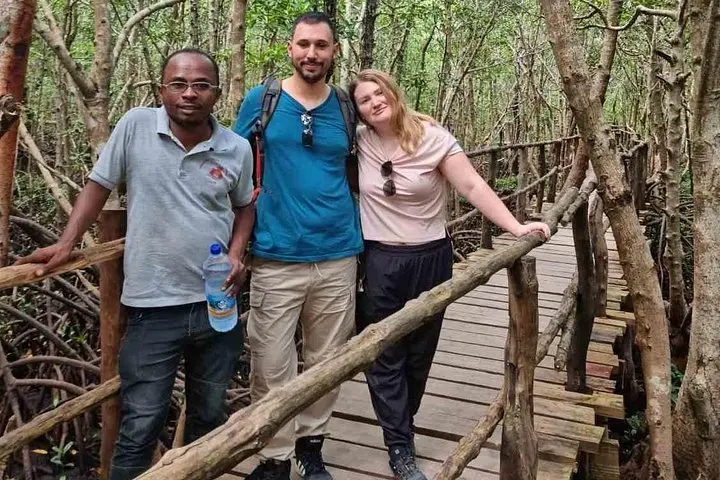
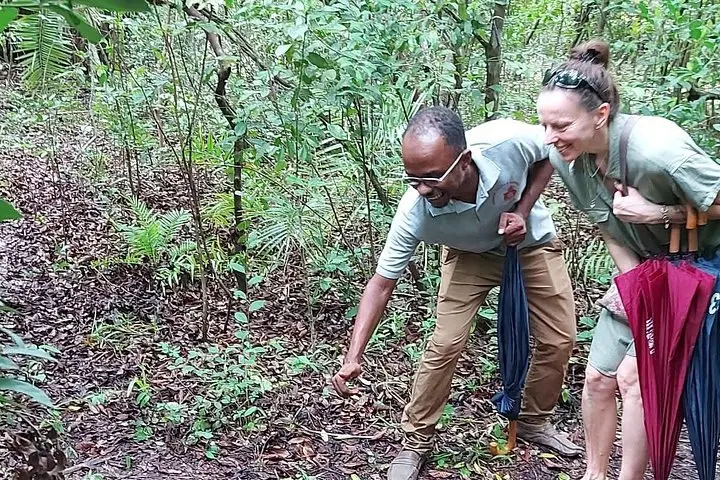
This guided 3–5 hour tour moves through mixed coastal forest and a raised mangrove boardwalk that lifts you above a tidal swamp. Geologically, Jozani occupies low-lying limestone and alluvial soils carved by coastal processes; ecologically it’s important as one of Unguja’s last sizable native forests. Culturally, the reserve sits near villages where traditional uses of medicinal plants continue—guides often point out species used by locals and explain their uses.
Expect close-up wildlife viewing (red colobus, Sykes’ monkeys, forest birds), interpretive stops about plant medicine, and a pace suited to casual walkers. Mangrove sightings depend on tide: low tide reveals fish, crabs, and exposed roots; high tide brings the waterline closer to the boardwalk.
Practical guidance: wear sturdy shoes that can handle muddy sections, bring insect repellent and at least 1L of water, and carry a lightweight rain layer during the long rains. Respect the animals—no feeding—and plan pickups from Stone Town; entrance fees and hotel transfers are typically included. Morning departures give cooler conditions and more active wildlife; afternoons can be quieter for photography.
Yes—most tours include pickup and drop-off from hotels in Stone Town; confirm your pickup point when booking.
They’re commonly seen in Jozani, but sightings aren’t guaranteed; mornings increase the chances of active groups.
The boardwalk is always open, but tidal height affects what you’ll see—low tide exposes crab and fish activity among roots.
Yes—the tour is rated easy and suitable for a wide range of ages, though some sections are uneven; mention mobility needs when booking.
Paradise Tours & Safaris operates guided outdoor trips and adventures with an emphasis on safety, stewardship, and memorable experiences.
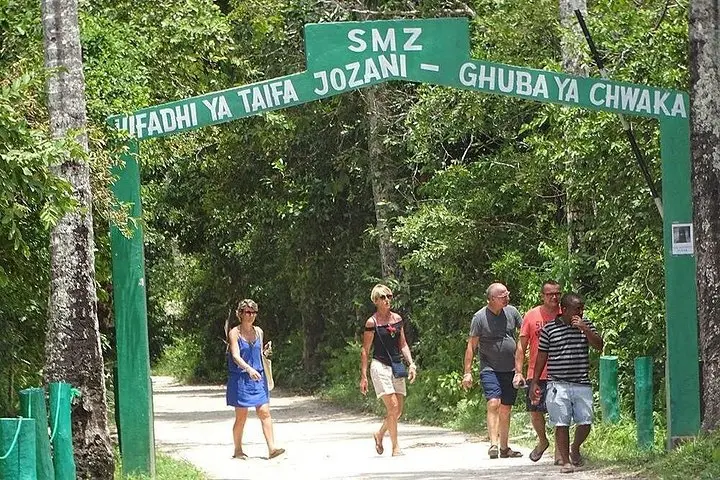
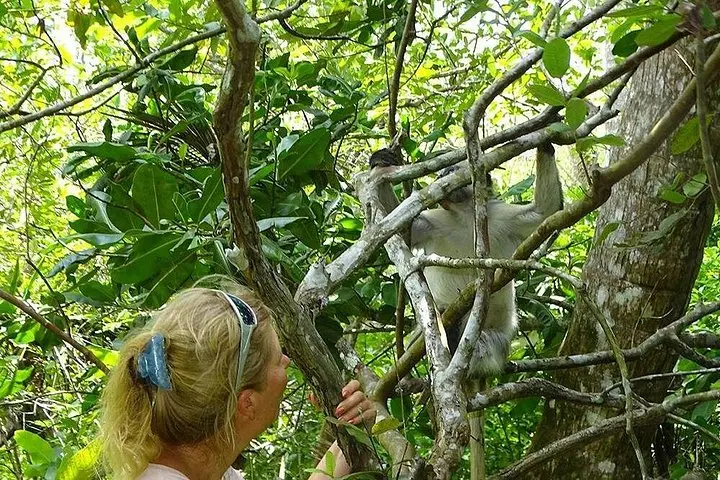
A humid ribbon of trail opens beneath towering eucalyptus and mahogany as the guide leads the group into Jozani Forest Reserve, the island’s closest thing to a true rainforest. The air smells of damp earth and spice; leaves rustle as the famous Zanzibar red colobus monkeys move in the canopy, curious and unhurried.
A humid ribbon of trail opens beneath towering eucalyptus and mahogany as the guide leads the group into Jozani Forest Reserve, the island’s closest thing to a true rainforest. The air smells of damp earth and spice; leaves rustle as the famous Zanzibar red colobus monkeys move in the canopy, curious and unhurried.
This guided 3–5 hour tour moves through mixed coastal forest and a raised mangrove boardwalk that lifts you above a tidal swamp. Geologically, Jozani occupies low-lying limestone and alluvial soils carved by coastal processes; ecologically it’s important as one of Unguja’s last sizable native forests. Culturally, the reserve sits near villages where traditional uses of medicinal plants continue—guides often point out species used by locals and explain their uses.
Expect close-up wildlife viewing (red colobus, Sykes’ monkeys, forest birds), interpretive stops about plant medicine, and a pace suited to casual walkers. Mangrove sightings depend on tide: low tide reveals fish, crabs, and exposed roots; high tide brings the waterline closer to the boardwalk.
Practical guidance: wear sturdy shoes that can handle muddy sections, bring insect repellent and at least 1L of water, and carry a lightweight rain layer during the long rains. Respect the animals—no feeding—and plan pickups from Stone Town; entrance fees and hotel transfers are typically included. Morning departures give cooler conditions and more active wildlife; afternoons can be quieter for photography.