THE ADVENTURE COLLECTIVE® · Independent discovery and booking for outdoor travel

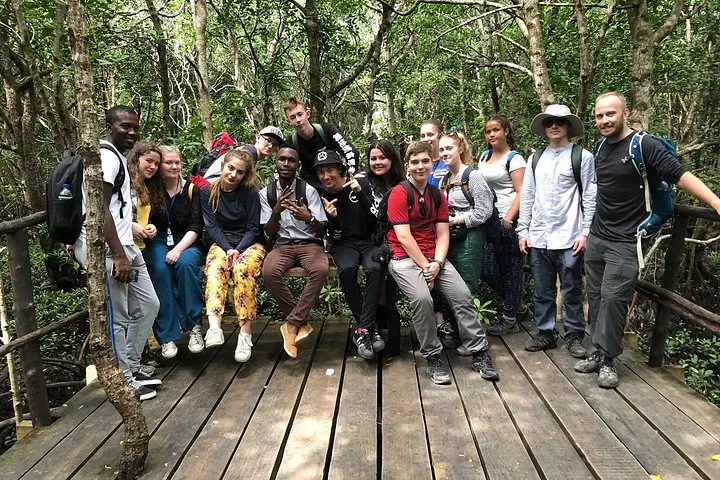
Walk wooden mangrove boardwalks and peer into a forest where the endemic Zanzibar red colobus still thrives. This guided 3‑hour tour pairs easy trails with concentrated wildlife viewing and local insights.
Walk wooden mangrove boardwalks and peer into a forest where the endemic Zanzibar red colobus still thrives. This guided 3‑hour tour pairs easy trails with concentrated wildlife viewing and local insights.
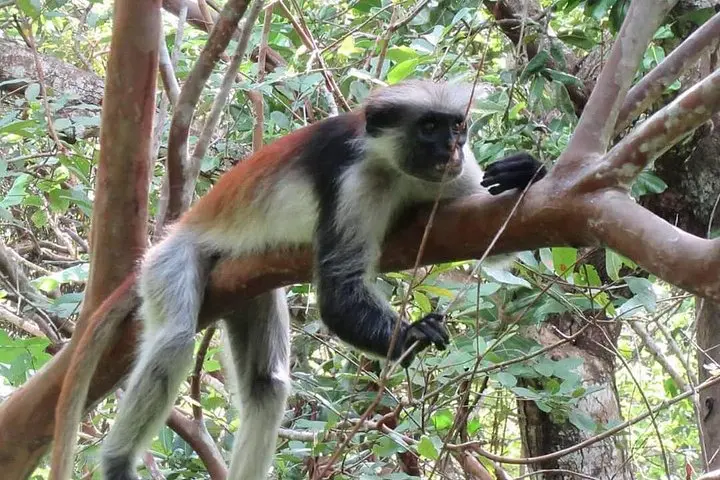
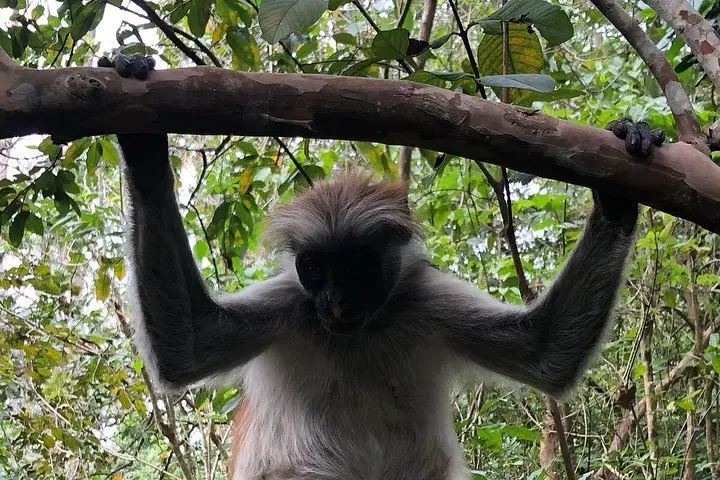
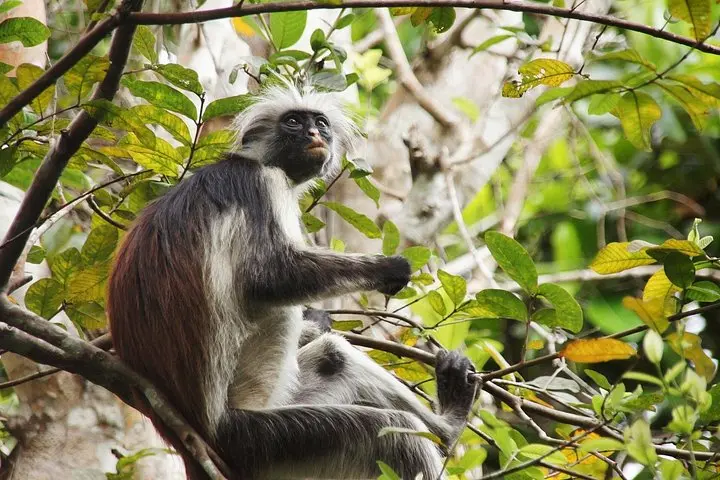
You step off the minivan into humid air that smells of earth and salt; low trees press close while a higher canopy patches sky. The guide moves with practiced quiet, pointing to a flash of russet fur high in the branches — the Zanzibar red colobus — whose calls puncture the stillness like a mailed note.
Verified experiences and guided adventures in the surrounding area.
Operated by Africa Experience Tours · Jozani, Zanzibar
You step off the minivan into humid air that smells of earth and salt; low trees press close while a higher canopy patches sky. The guide moves with practiced quiet, pointing to a flash of russet fur high in the branches — the Zanzibar red colobus — whose calls puncture the stillness like a mailed note.
Jozani Chwaka Bay National Park occupies one of Zanzibar’s few remaining lowland forests and mangrove systems. Formed on coral rag and coastal sediments, the terrain is effectively flat, with a network of wooden boardwalks across the mangroves and short dirt trails through mixed evergreen and semi-deciduous stands. The red colobus split from mainland relatives thousands of years ago; their presence here is the ecological reason most visitors arrive.
Local communities around Jozani balance small-scale farming and guiding, and many trails cross areas with cultural ties to fishing and traditional medicine plants. Expect a slow-paced wildlife walk rather than a strenuous hike: soft, occasionally muddy ground, low roots to step over, and humid microclimates that encourage insects and dense undergrowth.
Practical guidance: plan on 1.5–3 km of walking within the park, minimal elevation gain, and roughly three hours including transfers. Bring closed-toe shoes, insect repellent, a rain layer, and binoculars. Start early to catch primate activity; respect posted paths and the park’s wildlife-viewing rules. With simple preparation, a Jozani visit offers close animal encounters, intimate mangrove scenery, and a clear sense of why conservation here matters.
The on-foot portion is typically 1.5–3 km spread across dirt paths and a mangrove boardwalk; expect 45–90 minutes of walking within a 3‑hour tour.
Guides aim for sightings and the species is commonly seen, but wildlife is never guaranteed—early visits increase encounter chances.
Some park areas and boardwalks are level and accessible, but sections with roots and soft ground are uneven; check with the operator for exact accessibility details and transportation options.
Morning visits (right after park opening) catch higher primate activity and cooler temperatures; late afternoons can also be good but may be hotter and more humid.
Africa Experience Tours operates guided outdoor trips and adventures with an emphasis on safety, stewardship, and memorable experiences.
You step off the minivan into humid air that smells of earth and salt; low trees press close while a higher canopy patches sky. The guide moves with practiced quiet, pointing to a flash of russet fur high in the branches — the Zanzibar red colobus — whose calls puncture the stillness like a mailed note.
You step off the minivan into humid air that smells of earth and salt; low trees press close while a higher canopy patches sky. The guide moves with practiced quiet, pointing to a flash of russet fur high in the branches — the Zanzibar red colobus — whose calls puncture the stillness like a mailed note.
Jozani Chwaka Bay National Park occupies one of Zanzibar’s few remaining lowland forests and mangrove systems. Formed on coral rag and coastal sediments, the terrain is effectively flat, with a network of wooden boardwalks across the mangroves and short dirt trails through mixed evergreen and semi-deciduous stands. The red colobus split from mainland relatives thousands of years ago; their presence here is the ecological reason most visitors arrive.
Local communities around Jozani balance small-scale farming and guiding, and many trails cross areas with cultural ties to fishing and traditional medicine plants. Expect a slow-paced wildlife walk rather than a strenuous hike: soft, occasionally muddy ground, low roots to step over, and humid microclimates that encourage insects and dense undergrowth.
Practical guidance: plan on 1.5–3 km of walking within the park, minimal elevation gain, and roughly three hours including transfers. Bring closed-toe shoes, insect repellent, a rain layer, and binoculars. Start early to catch primate activity; respect posted paths and the park’s wildlife-viewing rules. With simple preparation, a Jozani visit offers close animal encounters, intimate mangrove scenery, and a clear sense of why conservation here matters.