THE ADVENTURE COLLECTIVE® · Independent discovery and booking for outdoor travel

Spend a focused day moving from Jozani’s red colobus and mangroves to a hands-on spice farm and the winding alleys of UNESCO-listed Stone Town. This private tour blends wildlife, agricultural traditions and layered history into one accessible island experience.
Spend a focused day moving from Jozani’s red colobus and mangroves to a hands-on spice farm and the winding alleys of UNESCO-listed Stone Town. This private tour blends wildlife, agricultural traditions and layered history into one accessible island experience.
You step off the launch into early heat as the city’s coral-stone skyline slides into view, then the island exhales—mangroves, humid forest and the scent of cloves rising like a promise.
Verified experiences and guided adventures in the surrounding area.
Operated by Serengeti adventure · Stone Town, Zanzibar
You step off the launch into early heat as the city’s coral-stone skyline slides into view, then the island exhales—mangroves, humid forest and the scent of cloves rising like a promise.
The day begins in Jozani Forest, where the rare Zanzibar red colobus moves through canopy shadows and the mangrove boardwalk creaks underfoot, daring you to slow down and listen. Geologically the island is a coral uplift; limestone and coral rag shape the shoreline and the narrow alleys of Stone Town, creating cool pockets and courtyards that still carry the flavors of centuries of trade.
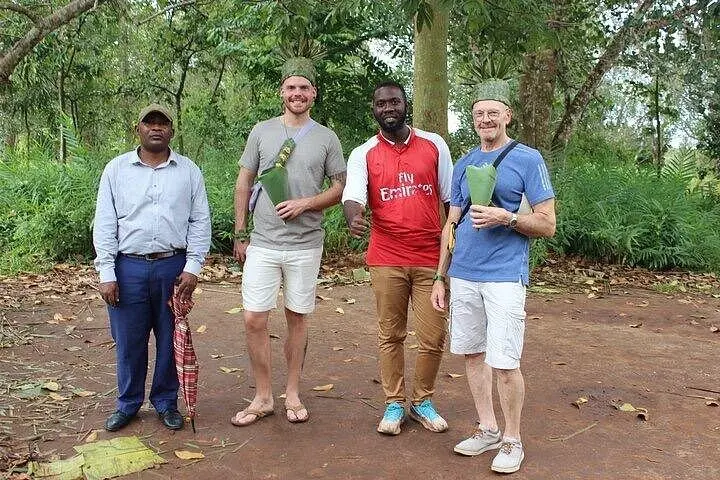
At a local spice farm you’ll see the plants that built Zanzibar’s economy—cinnamon bark, clove trees and nutmeg pods—while guides demonstrate traditional cultivation and explain medicinal as well as culinary uses. Stone Town follows: a UNESCO World Heritage core carved by Omani, Persian and European influences. Look for carved wooden doors, the Old Fort and the House of Wonders; each facade tells a chapter of the Indian Ocean trade and the island’s role in the spice and slave trades.
Practical side: this is a mostly easy, low‑impact tour with some walking on uneven forest boardwalks and cobbled streets; comfortable shoes and mosquito repellent matter more than stamina. Expect humid conditions, sharp sun after midday, and plenty of opportunities to photograph wildlife and architecture—keep a respectful distance from the colobus and bring cash for small market purchases. With a private transfer and bottled water included, the route is compact and efficient—nature, agriculture and history within one focused day.
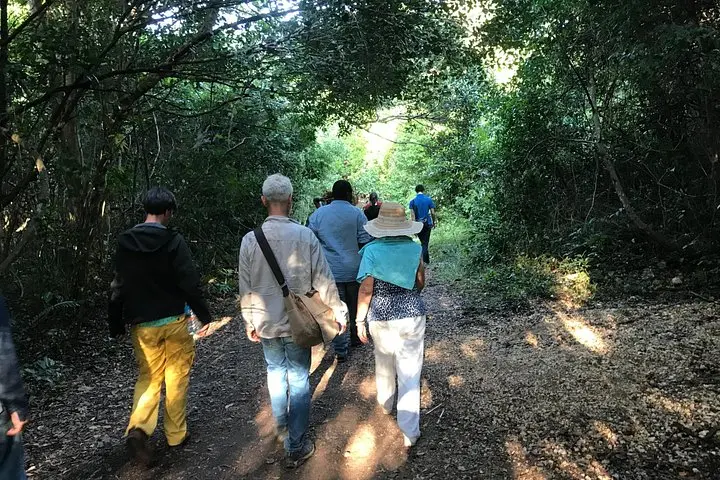
The tour runs about 5–6 hours with several short walks: a mangrove boardwalk at Jozani and strolling through Spice Farm plots and Stone Town alleys—nothing strenuous.
Yes—Jozani is the best place to see Zanzibar red colobus; sightings are common but never guaranteed because they are wild animals.
The tour is family-friendly; infants must sit on laps during transport, and children should be supervised near wildlife and uneven paths.
Bottled water and lunch are included; bring snacks if you have specific dietary needs or buy fresh fruit at markets.
Serengeti adventure operates guided outdoor trips and adventures with an emphasis on safety, stewardship, and memorable experiences.


You step off the launch into early heat as the city’s coral-stone skyline slides into view, then the island exhales—mangroves, humid forest and the scent of cloves rising like a promise.
You step off the launch into early heat as the city’s coral-stone skyline slides into view, then the island exhales—mangroves, humid forest and the scent of cloves rising like a promise.
The day begins in Jozani Forest, where the rare Zanzibar red colobus moves through canopy shadows and the mangrove boardwalk creaks underfoot, daring you to slow down and listen. Geologically the island is a coral uplift; limestone and coral rag shape the shoreline and the narrow alleys of Stone Town, creating cool pockets and courtyards that still carry the flavors of centuries of trade.
At a local spice farm you’ll see the plants that built Zanzibar’s economy—cinnamon bark, clove trees and nutmeg pods—while guides demonstrate traditional cultivation and explain medicinal as well as culinary uses. Stone Town follows: a UNESCO World Heritage core carved by Omani, Persian and European influences. Look for carved wooden doors, the Old Fort and the House of Wonders; each facade tells a chapter of the Indian Ocean trade and the island’s role in the spice and slave trades.
Practical side: this is a mostly easy, low‑impact tour with some walking on uneven forest boardwalks and cobbled streets; comfortable shoes and mosquito repellent matter more than stamina. Expect humid conditions, sharp sun after midday, and plenty of opportunities to photograph wildlife and architecture—keep a respectful distance from the colobus and bring cash for small market purchases. With a private transfer and bottled water included, the route is compact and efficient—nature, agriculture and history within one focused day.