THE ADVENTURE COLLECTIVE® · Independent discovery and booking for outdoor travel

Walk a 90-minute cultural loop through Jōzankei Onsen’s shrines, temple exhibits, natural foot baths and the Iwato Kannon cave. This guided visit blends geology, local onsen tradition and hands-on experiences like boiling an egg in mineral waters.
Walk a 90-minute cultural loop through Jōzankei Onsen’s shrines, temple exhibits, natural foot baths and the Iwato Kannon cave. This guided visit blends geology, local onsen tradition and hands-on experiences like boiling an egg in mineral waters.
Steam rises off the river as you step from the tourist center into a narrow valley where stone lanterns and boardwalks guide the way. The Toyohira River pushes through the gorge below and the air carries mineral warmth; the guide’s voice threads history into the quiet—this is Jōzankei, Sapporo’s mountain onsen carved by one monk’s resolve.
Verified experiences and guided adventures in the surrounding area.
Operated by DeepExperience · Sapporo, Hokkaido
Steam rises off the river as you step from the tourist center into a narrow valley where stone lanterns and boardwalks guide the way. The Toyohira River pushes through the gorge below and the air carries mineral warmth; the guide’s voice threads history into the quiet—this is Jōzankei, Sapporo’s mountain onsen carved by one monk’s resolve.
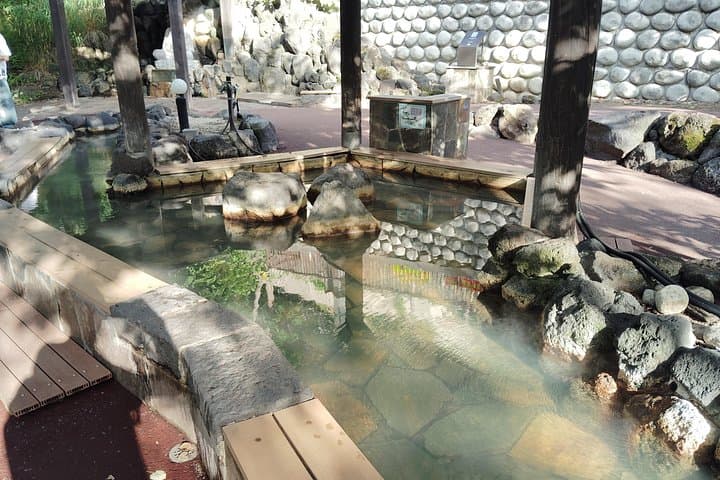
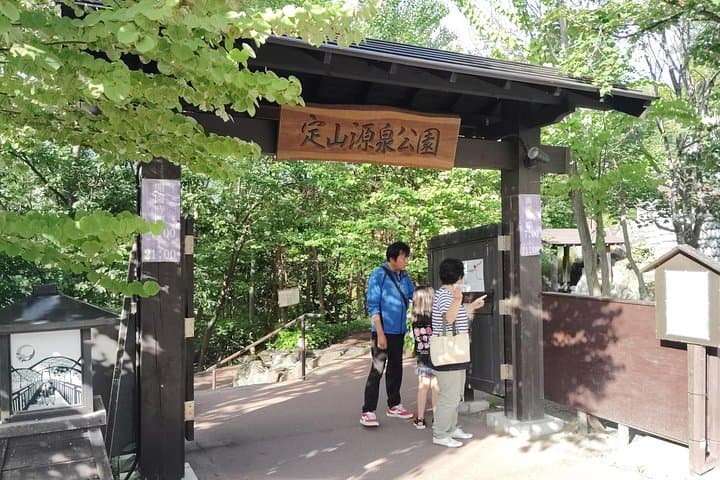
Founded around the mid-19th century by Mizumi Jōzan and set inside Shikotsu-Toya National Park, Jōzankei’s geology is simple and compelling: volcanic heat meets groundwater to create sodium-chloride springs that locals call restorative. Cultural sites cluster along the promenade—Jōzankei Shrine, Jōzan Temple with its artifacts and the bronze of its founder, and Jōzan Gensen Park with bubbling pools where you can boil an egg. The Iwato Kannon Hall is built into bedrock; a low cave behind the hall invites quiet exploration and a close-up of votive statues.
Practicality rules the visit: the guided walk runs about 90 minutes, mostly on paved paths and short steps, with minimal elevation gain but potentially slick stone in wet or snowy weather. Expect modest temple etiquette—remove shoes when asked, speak softly—and try a hot-spring foot bath to feel the mineral heat. Bring a light jacket, grippy shoes, and small change for local treats. Morning visits are cooler and less crowded; late afternoon lights and steam make photographs atmospheric. Whether you want a cultural primer or a short nature escape, this loop balances curiosity, calm, and a tangible sense of place.
The guided walk runs approximately 90 minutes and covers shrine, temple, park, foot baths and the cave.
Yes—visitors can use the natural hot spring foot baths at Jōzan Gensen Park as part of the experience.
Yes; the tour includes a short, guided visit into the cave—watch your step and use a light if needed.
Public buses and car routes connect Sapporo to Jōzankei; the trip from central Sapporo typically takes about an hour depending on traffic.
DeepExperience operates guided outdoor trips and adventures with an emphasis on safety, stewardship, and memorable experiences.
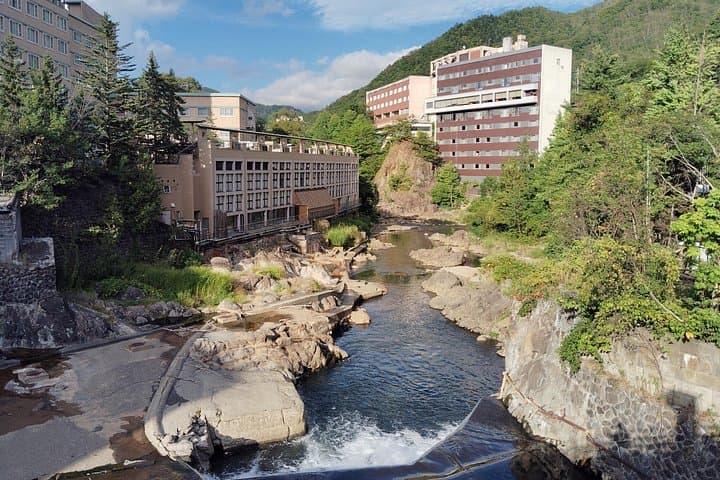
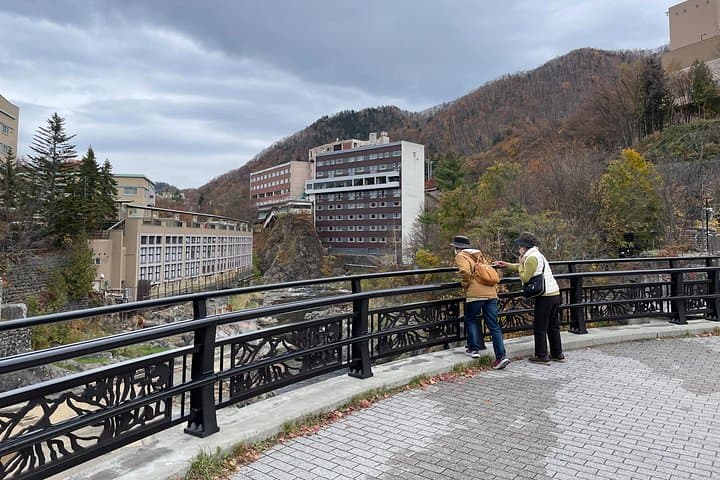
Steam rises off the river as you step from the tourist center into a narrow valley where stone lanterns and boardwalks guide the way. The Toyohira River pushes through the gorge below and the air carries mineral warmth; the guide’s voice threads history into the quiet—this is Jōzankei, Sapporo’s mountain onsen carved by one monk’s resolve.
Steam rises off the river as you step from the tourist center into a narrow valley where stone lanterns and boardwalks guide the way. The Toyohira River pushes through the gorge below and the air carries mineral warmth; the guide’s voice threads history into the quiet—this is Jōzankei, Sapporo’s mountain onsen carved by one monk’s resolve.
Founded around the mid-19th century by Mizumi Jōzan and set inside Shikotsu-Toya National Park, Jōzankei’s geology is simple and compelling: volcanic heat meets groundwater to create sodium-chloride springs that locals call restorative. Cultural sites cluster along the promenade—Jōzankei Shrine, Jōzan Temple with its artifacts and the bronze of its founder, and Jōzan Gensen Park with bubbling pools where you can boil an egg. The Iwato Kannon Hall is built into bedrock; a low cave behind the hall invites quiet exploration and a close-up of votive statues.
Practicality rules the visit: the guided walk runs about 90 minutes, mostly on paved paths and short steps, with minimal elevation gain but potentially slick stone in wet or snowy weather. Expect modest temple etiquette—remove shoes when asked, speak softly—and try a hot-spring foot bath to feel the mineral heat. Bring a light jacket, grippy shoes, and small change for local treats. Morning visits are cooler and less crowded; late afternoon lights and steam make photographs atmospheric. Whether you want a cultural primer or a short nature escape, this loop balances curiosity, calm, and a tangible sense of place.