THE ADVENTURE COLLECTIVE® · Independent discovery and booking for outdoor travel

Walk a small-group guided route through Jukani’s thoughtfully designed enclosures to see rescued big cats and smaller predators up close. Practical tips on timing, access, and photography help you plan the best 90-minute visit.
Walk a small-group guided route through Jukani’s thoughtfully designed enclosures to see rescued big cats and smaller predators up close. Practical tips on timing, access, and photography help you plan the best 90-minute visit.
You enter Jukani along a low hedge and the scent of eucalyptus, the soft thud of padded paws and distant calls replacing traffic. Guides move with quiet confidence, leading small groups past open, individually designed enclosures where lions, leopards, cheetahs and jaguars patrol shaded berms and rock outcrops. Photography ramps give you an unimpeded line of sight; keep your voice low and your camera ready.
Verified experiences and guided adventures in the surrounding area.
Operated by Jukani Wildlife Sanctuary · Plettenberg Bay, Western Cape
You enter Jukani along a low hedge and the scent of eucalyptus, the soft thud of padded paws and distant calls replacing traffic. Guides move with quiet confidence, leading small groups past open, individually designed enclosures where lions, leopards, cheetahs and jaguars patrol shaded berms and rock outcrops. Photography ramps give you an unimpeded line of sight; keep your voice low and your camera ready.
The sanctuary began as a response to animals rescued from inadequate facilities and private ownership; enclosures were built around each animal’s behavior rather than a one-size-fits-all cage. Geologically, the site sits on the low-lying coastal plain of Plettenberg Bay, where fynbos scrub and wind-shaped trees frame views rather than dramatic elevation. Culturally, the sanctuary ties into local conservation efforts—admission fees fund care and rehabilitation and English tours can be arranged in Afrikaans.
Practical guidance: guided walks last about 1 hour 20 minutes and depart every 15 minutes in small groups (max 16); you may also tour independently but guides improve the experience. The site is wheelchair-accessible with a free wheelchair available if requested—call ahead. Expect uneven surfaces in places and bring a zoom lens for unobstructed shots. Tours operate in all weather, so layer up for coastal breezes or bring a rain shell. If you want a private tour, request it at reception or book the day before to avoid long waits. Respect safety barriers—no feeding or touching. Allow 90–120 minutes, and consider a combo ticket with Monkeyland or Birds of Eden if you want a fuller day of rescued wildlife viewing.
Guided tours typically last about 1 hour 20 minutes; departure times run every 15 minutes and groups max out at 16 people.
No—Jukani is a rescue and rehabilitation sanctuary; contact with and feeding of animals is strictly prohibited for safety and welfare reasons.
Yes—paths and viewing platforms are wheelchair accessible and a free mobility wheelchair is available if you phone ahead; some surfaces are uneven.
Yes—combo tickets can include Monkeyland or Birds of Eden, and a TripTic combines all three; booking these in advance saves time at reception.
Jukani Wildlife Sanctuary operates guided outdoor trips and adventures with an emphasis on safety, stewardship, and memorable experiences.
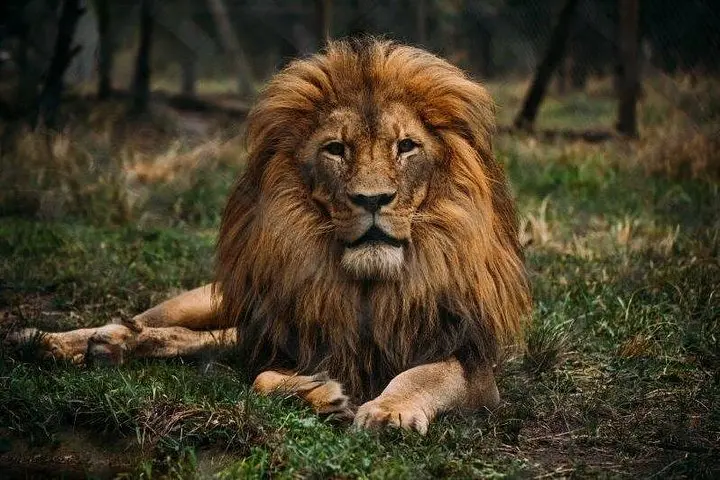
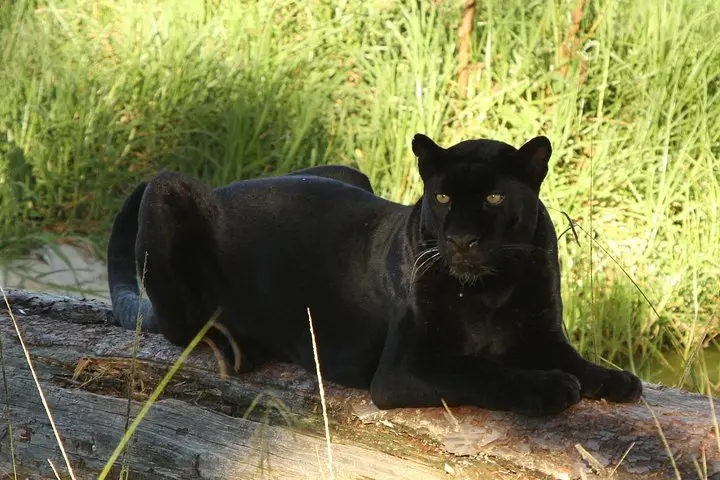
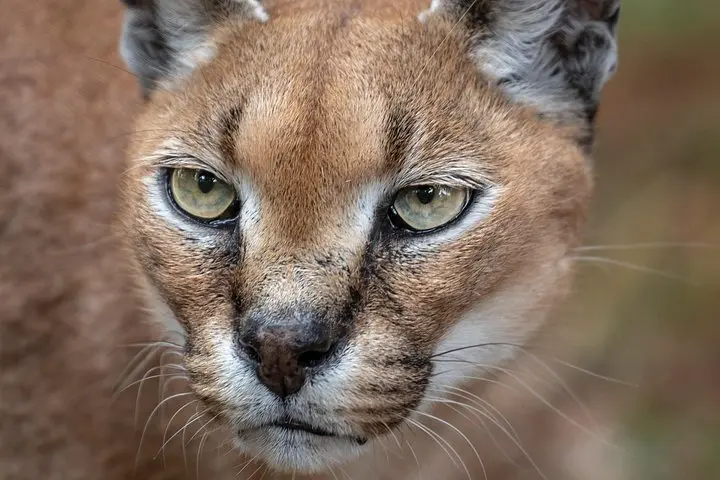
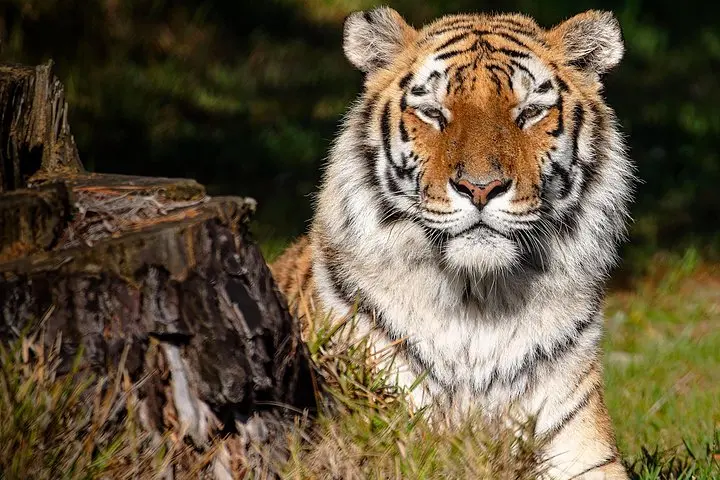
You enter Jukani along a low hedge and the scent of eucalyptus, the soft thud of padded paws and distant calls replacing traffic. Guides move with quiet confidence, leading small groups past open, individually designed enclosures where lions, leopards, cheetahs and jaguars patrol shaded berms and rock outcrops. Photography ramps give you an unimpeded line of sight; keep your voice low and your camera ready.
You enter Jukani along a low hedge and the scent of eucalyptus, the soft thud of padded paws and distant calls replacing traffic. Guides move with quiet confidence, leading small groups past open, individually designed enclosures where lions, leopards, cheetahs and jaguars patrol shaded berms and rock outcrops. Photography ramps give you an unimpeded line of sight; keep your voice low and your camera ready.
The sanctuary began as a response to animals rescued from inadequate facilities and private ownership; enclosures were built around each animal’s behavior rather than a one-size-fits-all cage. Geologically, the site sits on the low-lying coastal plain of Plettenberg Bay, where fynbos scrub and wind-shaped trees frame views rather than dramatic elevation. Culturally, the sanctuary ties into local conservation efforts—admission fees fund care and rehabilitation and English tours can be arranged in Afrikaans.
Practical guidance: guided walks last about 1 hour 20 minutes and depart every 15 minutes in small groups (max 16); you may also tour independently but guides improve the experience. The site is wheelchair-accessible with a free wheelchair available if requested—call ahead. Expect uneven surfaces in places and bring a zoom lens for unobstructed shots. Tours operate in all weather, so layer up for coastal breezes or bring a rain shell. If you want a private tour, request it at reception or book the day before to avoid long waits. Respect safety barriers—no feeding or touching. Allow 90–120 minutes, and consider a combo ticket with Monkeyland or Birds of Eden if you want a fuller day of rescued wildlife viewing.