THE ADVENTURE COLLECTIVE® · Independent discovery and booking for outdoor travel

Climb from Juncalinho to Tope Simão for 360° views of São Nicolau’s north and south coasts, volcanic ridges, and colorful villages. This challenging ridge hike pairs raw geology with local culture and requires good fitness and route awareness.
Climb from Juncalinho to Tope Simão for 360° views of São Nicolau’s north and south coasts, volcanic ridges, and colorful villages. This challenging ridge hike pairs raw geology with local culture and requires good fitness and route awareness.
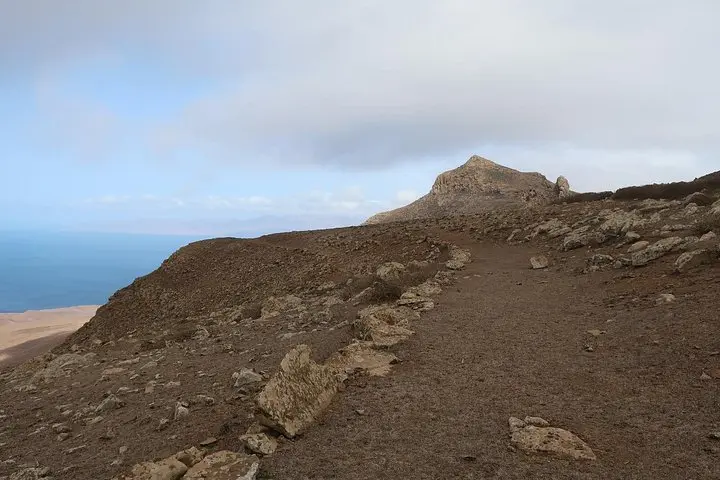
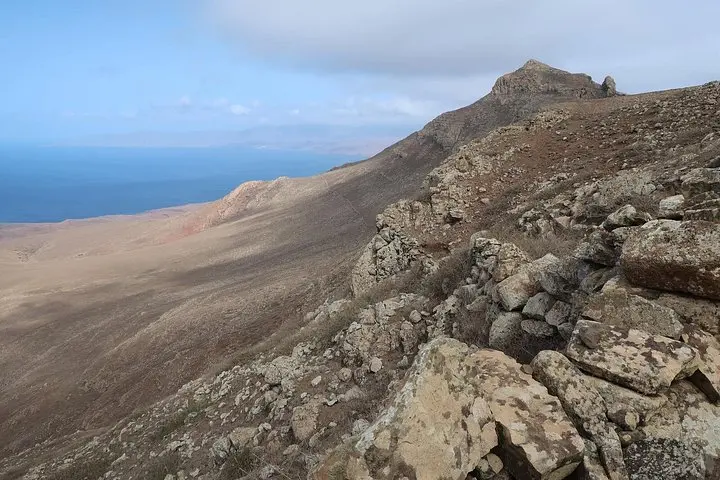
You step out of the village of Juncalinho with the Atlantic pushing salt-spray against the rocks below and a ridge that dares you to climb. The trail climbs steadily to Tope Simão, where the north and south coasts unfurl on either side — a raw edge of lava cones, terraced fields and colorful houses tucked into gullies. Wind combs the grass; occasional seabirds circle like timekeepers.
Verified experiences and guided adventures in the surrounding area.
Operated by Bu Country Tours · Juncalinho, São Nicolau
You step out of the village of Juncalinho with the Atlantic pushing salt-spray against the rocks below and a ridge that dares you to climb. The trail climbs steadily to Tope Simão, where the north and south coasts unfurl on either side — a raw edge of lava cones, terraced fields and colorful houses tucked into gullies. Wind combs the grass; occasional seabirds circle like timekeepers.
São Nicolau’s landscape was shaped by volcanic fire and ocean patience. Portuguese settlers arrived in the 15th century; the island’s small villages still echo a fishing-and-farming culture. The ridge you follow sits on hardened lava flows and older pyroclastic deposits; gullies have been carved by seasonal water and goat herds. Local residents maintain stone walls and footpaths that guide the route, and small volcanoes punctuate the coastline like weathered markers.
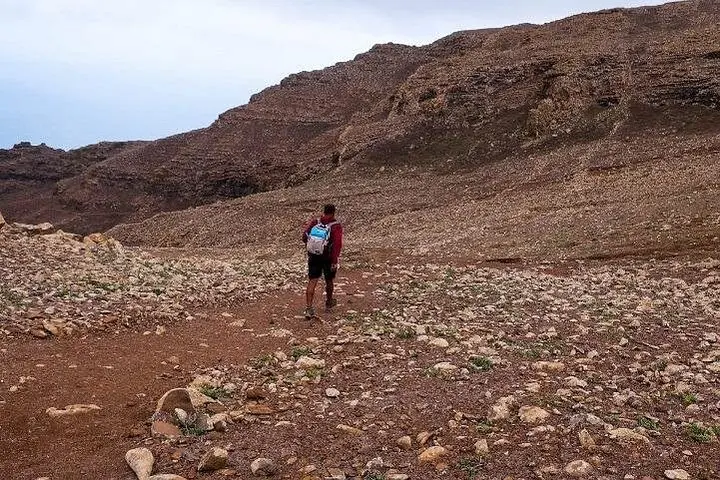
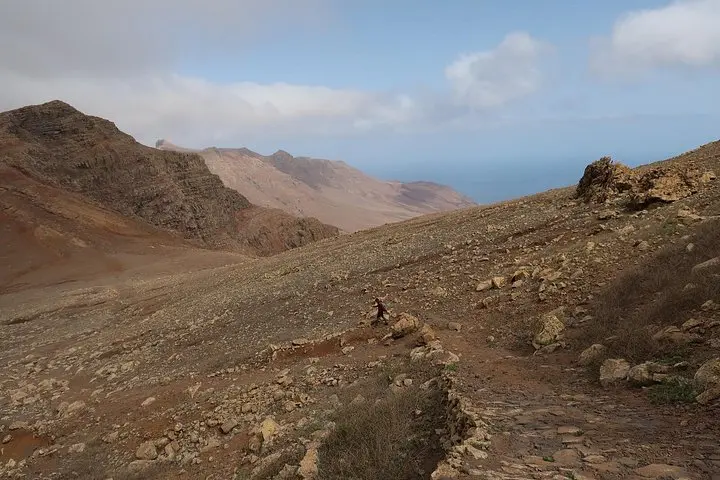
Expect sustained climbing along narrow ridgelines and open slopes, exposed to sun and wind. The route reaches Tope de Chuva before descending back to Juncalinho, offering repeated panorama shifts from ocean to cultivated valleys. Navigation is straightforward where paths are worn but sections can be faint; good footwear and steady footing are essential.
Practical notes: start early to avoid midday heat, carry 2–3 liters of water, and pack windproof layers. Private transport is typically included for pickup and drop-off. Bring cash if you plan to buy snacks in village stalls. Respect grazing areas and local crop plots — routes often pass close to homes. The payoff is uncompromised coastal perspective and the satisfying rhythm of a long ridge walk on a volcanic island.
The outing lasts roughly 6–8 hours round-trip depending on pace; expect several hundred meters of sustained climbing along the ridge with repeated ups and downs.
Not ideal for beginners — the hike requires good fitness, sure-footedness and comfort on exposed ridge sections.
Private transportation and hotel pick-up/drop-off are typically included in the tour package, but confirm pickup point and time when booking.
Juncalinho may have small stalls, but you should carry all necessary water and snacks for the day.
Bu Country Tours operates guided outdoor trips and adventures with an emphasis on safety, stewardship, and memorable experiences.
You step out of the village of Juncalinho with the Atlantic pushing salt-spray against the rocks below and a ridge that dares you to climb. The trail climbs steadily to Tope Simão, where the north and south coasts unfurl on either side — a raw edge of lava cones, terraced fields and colorful houses tucked into gullies. Wind combs the grass; occasional seabirds circle like timekeepers.
You step out of the village of Juncalinho with the Atlantic pushing salt-spray against the rocks below and a ridge that dares you to climb. The trail climbs steadily to Tope Simão, where the north and south coasts unfurl on either side — a raw edge of lava cones, terraced fields and colorful houses tucked into gullies. Wind combs the grass; occasional seabirds circle like timekeepers.
São Nicolau’s landscape was shaped by volcanic fire and ocean patience. Portuguese settlers arrived in the 15th century; the island’s small villages still echo a fishing-and-farming culture. The ridge you follow sits on hardened lava flows and older pyroclastic deposits; gullies have been carved by seasonal water and goat herds. Local residents maintain stone walls and footpaths that guide the route, and small volcanoes punctuate the coastline like weathered markers.
Expect sustained climbing along narrow ridgelines and open slopes, exposed to sun and wind. The route reaches Tope de Chuva before descending back to Juncalinho, offering repeated panorama shifts from ocean to cultivated valleys. Navigation is straightforward where paths are worn but sections can be faint; good footwear and steady footing are essential.
Practical notes: start early to avoid midday heat, carry 2–3 liters of water, and pack windproof layers. Private transport is typically included for pickup and drop-off. Bring cash if you plan to buy snacks in village stalls. Respect grazing areas and local crop plots — routes often pass close to homes. The payoff is uncompromised coastal perspective and the satisfying rhythm of a long ridge walk on a volcanic island.