THE ADVENTURE COLLECTIVE® · Independent discovery and booking for outdoor travel

Board a seamless rail and cableway chain from Bern to the Jungfraujoch ‘Top of Europe.’ This private day trip combines engineered alpine railways, the Sphinx Observatory, and the Ice Palace with sweeping glacier views—ideal for first‑time high‑alpine visitors.
Board a seamless rail and cableway chain from Bern to the Jungfraujoch ‘Top of Europe.’ This private day trip combines engineered alpine railways, the Sphinx Observatory, and the Ice Palace with sweeping glacier views—ideal for first‑time high‑alpine visitors.
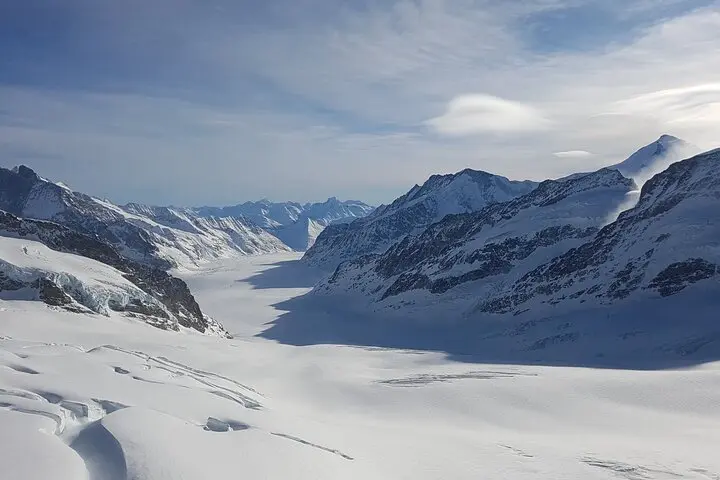
A cold wind lifts off the permanent ice as the cogwheel train tunnels through rock and snow, and the first glimpse of the Aletsch Glacier cuts the horizon like an old map redrawn in white.
Verified experiences and guided adventures in the surrounding area.
Operated by SwissTravelGuide.ch · Interlaken, Bern
A cold wind lifts off the permanent ice as the cogwheel train tunnels through rock and snow, and the first glimpse of the Aletsch Glacier cuts the horizon like an old map redrawn in white.
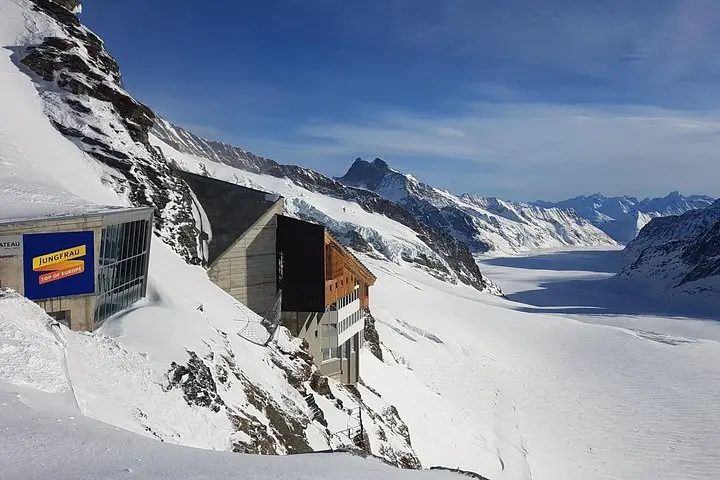
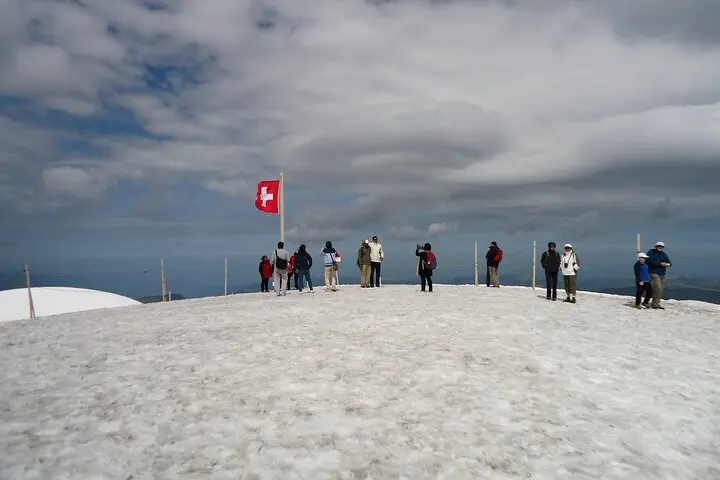
Your day begins on a 50‑minute rail run from Bern to Interlaken, then a valley transfer toward Grindelwald and the aerial lift at Eigergletscher—each change in altitude sharpened by thinner air and widening views. At 3,454 m (11,332 ft) Jungfraujoch’s Sphinx viewing terrace and Ice Palace put alpine geology on display: glacial ice layers, moraine lines and the great Aletsch Glacier cascading west.
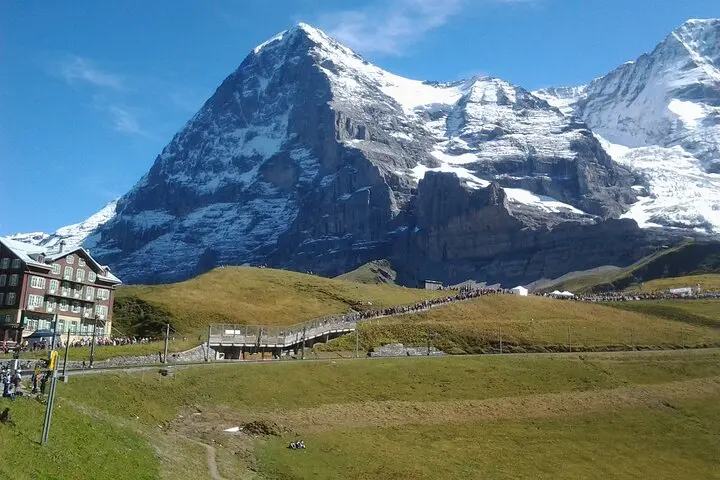
The route reflects early 20th‑century Swiss engineering—the Jungfrau Railway reached its summit in 1912—and the area’s alpine farming culture, with mountain pastures and small villages like Wengen and Lauterbrunnen still tied to seasonal grazing and tourism. Local guides often weave these human stories with scientific notes about permafrost and glacier retreat.
Practicalities: expect 8–10 hours round trip, substantial time above 3,000 m, and a mix of indoor exhibits (Sphinx Observatory, Alpine Sensation, Ice Palace) and exposed viewpoints. Wear layered clothing, good boots with traction for icy patches, and sunglasses; weather can change rapidly so plan buffer time for transfers.
Tips for timing: morning departures maximize clear air for views; late‑day returns often mean softer light for Lauterbrunnen. The day is accessible to most travelers but respect altitude limits and carry water—thin air drains energy faster than distance alone.
Jungfraujoch sits at 3,454 m; mild symptoms (headache, shortness of breath) are common—move slowly, hydrate, and inform your guide if you feel unwell.
Major areas including the Sphinx terrace and some trains have accessibility provisions, but contact your operator in advance for assistance and routing details.
Typically seat reservations on the Jungfrau Railway, private guide service, admission to main attractions like the Ice Palace and Sphinx platform, and all transport listed in the itinerary.
Late spring to early autumn often offers more stable weather; mornings tend to be clearest before afternoon cloud build-up.
SwissTravelGuide.ch operates guided outdoor trips and adventures with an emphasis on safety, stewardship, and memorable experiences.
A cold wind lifts off the permanent ice as the cogwheel train tunnels through rock and snow, and the first glimpse of the Aletsch Glacier cuts the horizon like an old map redrawn in white.
A cold wind lifts off the permanent ice as the cogwheel train tunnels through rock and snow, and the first glimpse of the Aletsch Glacier cuts the horizon like an old map redrawn in white.
Your day begins on a 50‑minute rail run from Bern to Interlaken, then a valley transfer toward Grindelwald and the aerial lift at Eigergletscher—each change in altitude sharpened by thinner air and widening views. At 3,454 m (11,332 ft) Jungfraujoch’s Sphinx viewing terrace and Ice Palace put alpine geology on display: glacial ice layers, moraine lines and the great Aletsch Glacier cascading west.
The route reflects early 20th‑century Swiss engineering—the Jungfrau Railway reached its summit in 1912—and the area’s alpine farming culture, with mountain pastures and small villages like Wengen and Lauterbrunnen still tied to seasonal grazing and tourism. Local guides often weave these human stories with scientific notes about permafrost and glacier retreat.
Practicalities: expect 8–10 hours round trip, substantial time above 3,000 m, and a mix of indoor exhibits (Sphinx Observatory, Alpine Sensation, Ice Palace) and exposed viewpoints. Wear layered clothing, good boots with traction for icy patches, and sunglasses; weather can change rapidly so plan buffer time for transfers.
Tips for timing: morning departures maximize clear air for views; late‑day returns often mean softer light for Lauterbrunnen. The day is accessible to most travelers but respect altitude limits and carry water—thin air drains energy faster than distance alone.