THE ADVENTURE COLLECTIVE® · Independent discovery and booking for outdoor travel

Four days of jungle trails, boat passages and cave light in Ba Be National Park—trek through Dao, Tay and H'mong villages, explore Puong Cave and sleep in traditional homestays. Expect steep, rewarding hikes, boat time on the Nang River and close cultural encounters.
Four days of jungle trails, boat passages and cave light in Ba Be National Park—trek through Dao, Tay and H'mong villages, explore Puong Cave and sleep in traditional homestays. Expect steep, rewarding hikes, boat time on the Nang River and close cultural encounters.
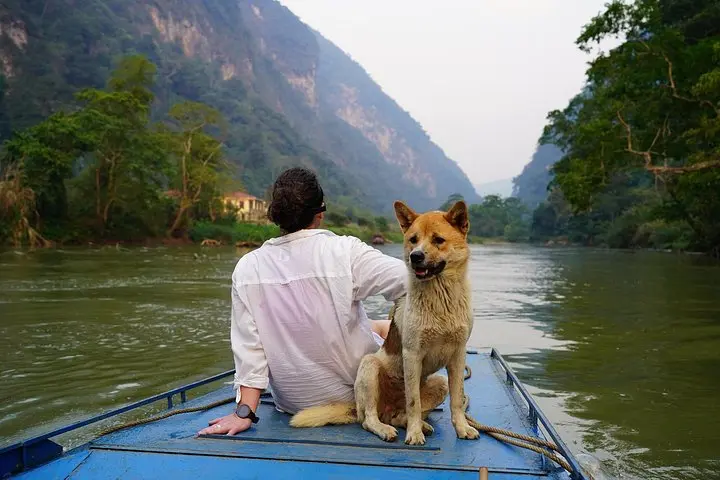
You step out of the car as the road narrows and the high limestone ridges close in; the Nang River threads through emerald cliffs and the jungle seems to lean forward to see who has arrived.
Verified experiences and guided adventures in the surrounding area.
Operated by Mr Linh's Adventures · Bắc Kạn, Bắc Kạn Province
You step out of the car as the road narrows and the high limestone ridges close in; the Nang River threads through emerald cliffs and the jungle seems to lean forward to see who has arrived.
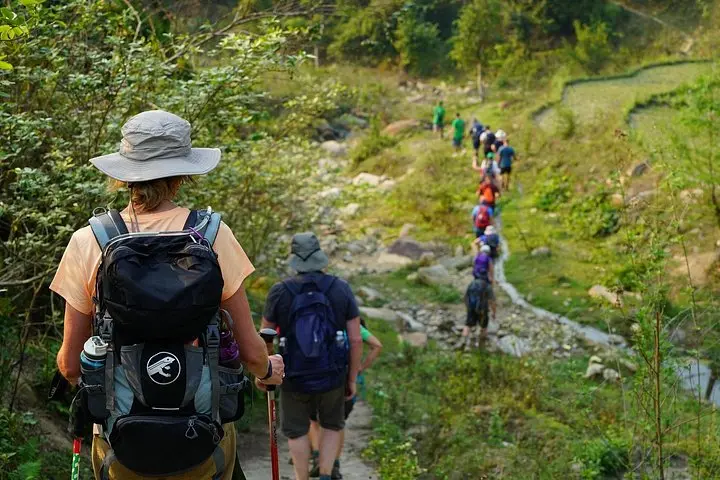
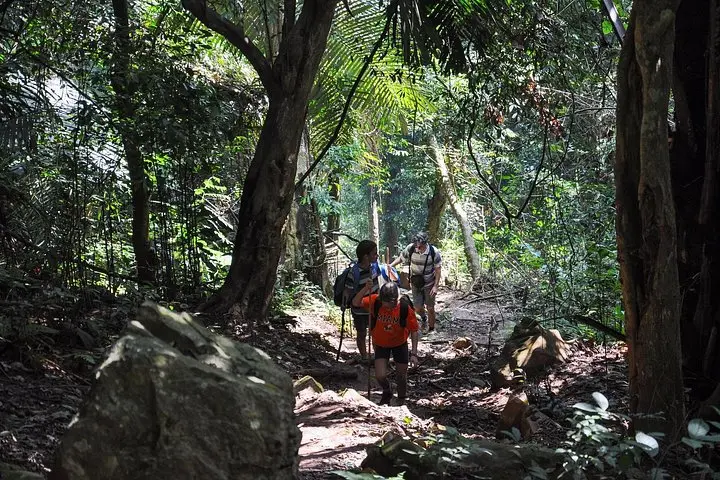
Over four days you move between upland rice terraces and primary forest, following streams that dare you across slippery roots, then relax into the slow pull of a motorboat as it pushes you beneath Puong Cave’s cavern mouth. Geology here is karst—limestone dissolved into caves, cliffs and sinkholes—so expect stalactites, echoing caverns and rivers that carve the valley.
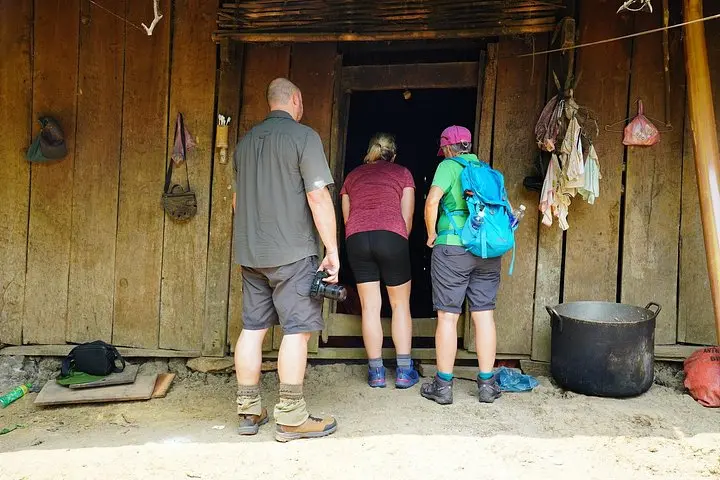
Ba Be’s human story is visible at every turn: Dao, Tay and H'mong villages clinging to ridgelines, stilt houses on lakes and traditions shaped by seasonal fishing and upland farming. Local guides bring both language and lived knowledge—how to read a trail, where to find clean water and which paths avoid the thickest leeches.
Trek details are practical: plan for 6–12 km of hiking most days with some steep, uneven sections and short climbs that can add a few hundred meters of ascent. Pack a headlamp for cave visits, quick-dry layers for sudden tropical showers and sturdy boots for stream crossings. Hydrate early, start hikes before mid-day heat, and carry small cash for homestay purchases. Respect ceremonial sites and accept invitations to share a meal—meals are often cooked over open fire and are part of the cultural exchange.
This is an active, immersive trip: expect jungle humidity, river-borne mornings and nights under simple local roofs or hammocks, with wildlife and remote scenery that reward effort with wide, unframed views.
You should have a moderate to high fitness level—able to hike 6–12 km per day on uneven trails and manage short steep ascents with a daypack.
Accommodation alternates between local homestays (traditional Dao/Dzao houses), guesthouses and hammock-style jungle lodging—expect basic but comfortable conditions.
Most meals listed are included; guides and hosts can usually accommodate common dietary needs with advance notice but bring snacks for picky eaters.
Coverage is intermittent in the park and ATMs are limited—carry cash for village purchases and emergencies.
Mr Linh's Adventures operates guided outdoor trips and adventures with an emphasis on safety, stewardship, and memorable experiences.
You step out of the car as the road narrows and the high limestone ridges close in; the Nang River threads through emerald cliffs and the jungle seems to lean forward to see who has arrived.
You step out of the car as the road narrows and the high limestone ridges close in; the Nang River threads through emerald cliffs and the jungle seems to lean forward to see who has arrived.
Over four days you move between upland rice terraces and primary forest, following streams that dare you across slippery roots, then relax into the slow pull of a motorboat as it pushes you beneath Puong Cave’s cavern mouth. Geology here is karst—limestone dissolved into caves, cliffs and sinkholes—so expect stalactites, echoing caverns and rivers that carve the valley.
Ba Be’s human story is visible at every turn: Dao, Tay and H'mong villages clinging to ridgelines, stilt houses on lakes and traditions shaped by seasonal fishing and upland farming. Local guides bring both language and lived knowledge—how to read a trail, where to find clean water and which paths avoid the thickest leeches.
Trek details are practical: plan for 6–12 km of hiking most days with some steep, uneven sections and short climbs that can add a few hundred meters of ascent. Pack a headlamp for cave visits, quick-dry layers for sudden tropical showers and sturdy boots for stream crossings. Hydrate early, start hikes before mid-day heat, and carry small cash for homestay purchases. Respect ceremonial sites and accept invitations to share a meal—meals are often cooked over open fire and are part of the cultural exchange.
This is an active, immersive trip: expect jungle humidity, river-borne mornings and nights under simple local roofs or hammocks, with wildlife and remote scenery that reward effort with wide, unframed views.