THE ADVENTURE COLLECTIVE® · Independent discovery and booking for outdoor travel

Walk a protected lowland rainforest after dark with a certified ICT naturalist outside Quepos. This 1.5–2 hour guided night hike focuses on frogs, insects, sleeping birds, and nocturnal ecology on a flat private trail.
Walk a protected lowland rainforest after dark with a certified ICT naturalist outside Quepos. This 1.5–2 hour guided night hike focuses on frogs, insects, sleeping birds, and nocturnal ecology on a flat private trail.
Dusk settles over a narrow swath of rainforest tucked between rows of cultivated palms, and the trailhead feels like a threshold: the hum of day traffic fades, headlamps click on, and the forest rearranges itself for night. On this guided night walk outside Quepos, a certified ICT naturalist leads small groups along a flat private trail where frogs begin their chorus and moths drift like slow, deliberate leaves.
Verified experiences and guided adventures in the surrounding area.
Operated by Manuel Antonio Experiences · Quepos, Puntarenas
Dusk settles over a narrow swath of rainforest tucked between rows of cultivated palms, and the trailhead feels like a threshold: the hum of day traffic fades, headlamps click on, and the forest rearranges itself for night. On this guided night walk outside Quepos, a certified ICT naturalist leads small groups along a flat private trail where frogs begin their chorus and moths drift like slow, deliberate leaves.
The property is part of a family-protected reserve that resisted the region’s wave of palm conversion; its soils are lowland tropical, carved by coastal runoff and volcanic material, and support old-growth understory species uncommon in surrounding plantations. Culturally, Quepos and nearby Manuel Antonio have long balanced small-scale farming with tourism; local guides fuse ethnobotany and natural history, explaining how indigenous knowledge and conservation shaped the reserve’s care.
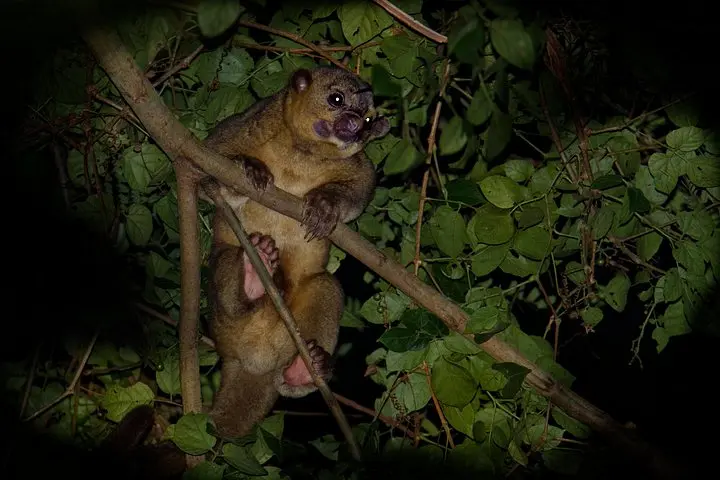
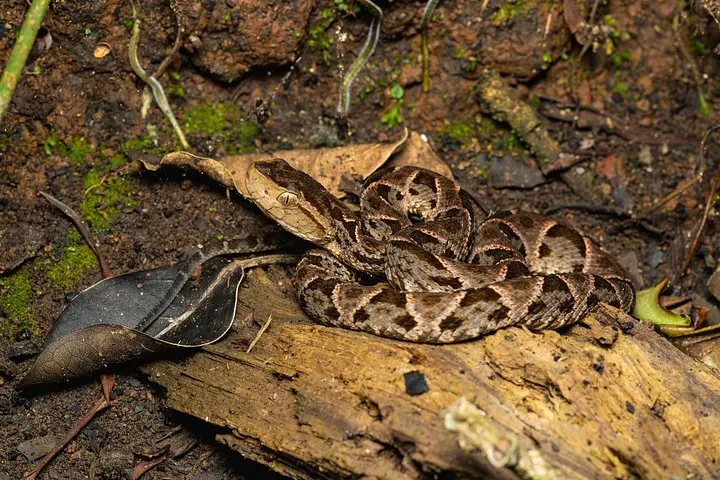
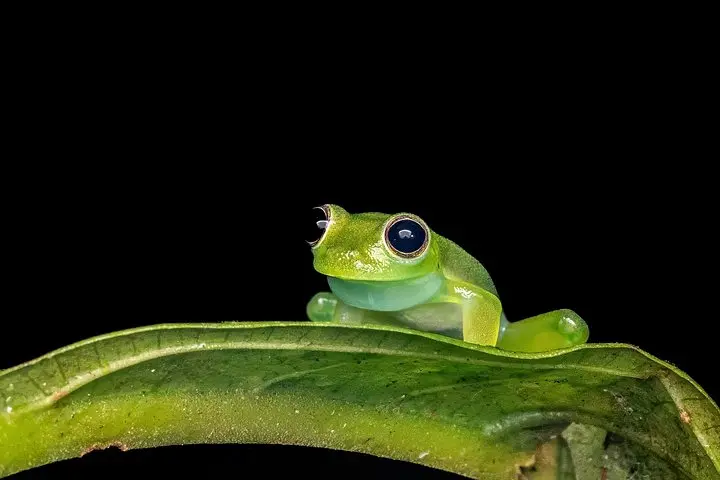
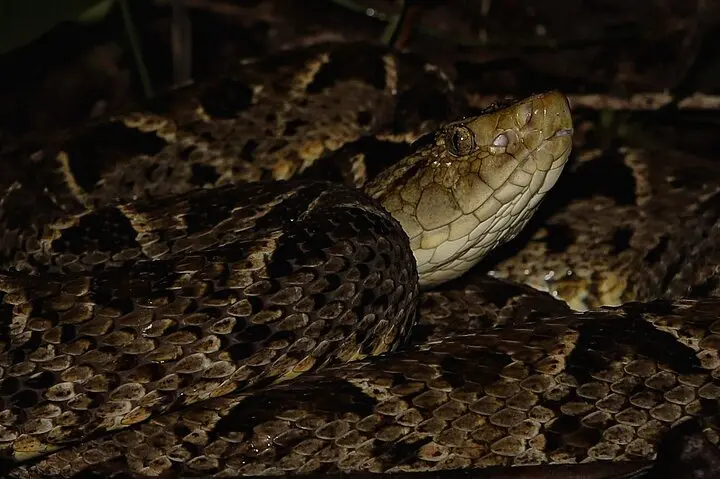
Expect close-up looks at nocturnal frogs, sleeping birds, insects, and occasional reptiles. The guide explains camouflage, predator–prey strategies, and why preserving contiguous canopy matters for amphibian breeding. The walk lasts roughly 1.5–2 hours on a flat, well-worn trail—sensory more than strenuous.
Practical notes: wear closed, grippy shoes, bring a headlamp (guides may supply communal lights), and expect humidity and mud after rain. Plan transportation to the meeting point near the Quepos cemetery and allow time for local insect activity to peak after sunset. Respect quiet observation, follow the guide’s flash rules, and leave no trace: the night is fragile, and this reserve’s value is in what it protects.
Meet near the Quepos cemetery; guides provide final directions at booking—most guests drive or take a local taxi to the rendezvous.
Children may join if steady walking and supervised; the reserve notes a moderate fitness requirement and some restrictions for very young children.
Large animals are less active at night and not guaranteed; the walk is optimized for frogs, insects, reptiles, and nocturnal birds.
Guides may have spare lights, but guests should bring their own reliable headlamp; red-light mode is recommended to minimize disturbance.
Manuel Antonio Experiences operates guided outdoor trips and adventures with an emphasis on safety, stewardship, and memorable experiences.
Dusk settles over a narrow swath of rainforest tucked between rows of cultivated palms, and the trailhead feels like a threshold: the hum of day traffic fades, headlamps click on, and the forest rearranges itself for night. On this guided night walk outside Quepos, a certified ICT naturalist leads small groups along a flat private trail where frogs begin their chorus and moths drift like slow, deliberate leaves.
Dusk settles over a narrow swath of rainforest tucked between rows of cultivated palms, and the trailhead feels like a threshold: the hum of day traffic fades, headlamps click on, and the forest rearranges itself for night. On this guided night walk outside Quepos, a certified ICT naturalist leads small groups along a flat private trail where frogs begin their chorus and moths drift like slow, deliberate leaves.
The property is part of a family-protected reserve that resisted the region’s wave of palm conversion; its soils are lowland tropical, carved by coastal runoff and volcanic material, and support old-growth understory species uncommon in surrounding plantations. Culturally, Quepos and nearby Manuel Antonio have long balanced small-scale farming with tourism; local guides fuse ethnobotany and natural history, explaining how indigenous knowledge and conservation shaped the reserve’s care.
Expect close-up looks at nocturnal frogs, sleeping birds, insects, and occasional reptiles. The guide explains camouflage, predator–prey strategies, and why preserving contiguous canopy matters for amphibian breeding. The walk lasts roughly 1.5–2 hours on a flat, well-worn trail—sensory more than strenuous.
Practical notes: wear closed, grippy shoes, bring a headlamp (guides may supply communal lights), and expect humidity and mud after rain. Plan transportation to the meeting point near the Quepos cemetery and allow time for local insect activity to peak after sunset. Respect quiet observation, follow the guide’s flash rules, and leave no trace: the night is fragile, and this reserve’s value is in what it protects.