THE ADVENTURE COLLECTIVE® · Independent discovery and booking for outdoor travel

Sleep above the forest floor in a wooden jungle tower inside Chitwan National Park. This 2-night package pairs canoe rides, guided jungle walks and jeep safaris with ranger-supervised tower accommodation for close but responsible wildlife viewing.
Sleep above the forest floor in a wooden jungle tower inside Chitwan National Park. This 2-night package pairs canoe rides, guided jungle walks and jeep safaris with ranger-supervised tower accommodation for close but responsible wildlife viewing.
Night falls and the tower becomes a small, lit island in the forest — a wooden platform with low lights where the jungle rearranges its sounds. You step onto a verandah as birds settle and something large moves through the grass; rhino hooves drum nearby and the canopy seems to lean in to listen. That close, the park feels active rather than distant.
Verified experiences and guided adventures in the surrounding area.
Operated by LEMON TREE ADVENTURE NEPAL · Sauraha, Chitwan District
Night falls and the tower becomes a small, lit island in the forest — a wooden platform with low lights where the jungle rearranges its sounds. You step onto a verandah as birds settle and something large moves through the grass; rhino hooves drum nearby and the canopy seems to lean in to listen. That close, the park feels active rather than distant.
Chitwan’s floodplain sits at the edge of the Siwalik Hills, a landscape shaped by river deposits and seasonal monsoon flows. For centuries the Terai supported Tharu farming communities whose hunting, floodplain management and cultural dances shaped local relationships to wildlife. Today, conservation and tourism coexist: towers provide low-impact, raised accommodation that keeps the forest floor undisturbed while offering 24‑hour ranger support.
Expect a mix of water and land: a canoe glide along oxbow channels reveals marsh birds and gharial habitat, while jeep safaris punch through grassland where rhino and deer graze. Guides read spoor and bird calls; the night is where the place speaks loudest — an occasional distant bellow, the rustle that pushes you forward.
Practical guidance: pack a warm midlayer and a headlamp, bring insect repellent and quiet shoes for uneven paths. Best viewing is at dawn and dusk; follow ranger instructions during night hours and avoid flash photography near sleeping animals. The experience is low-technical but sensory-intense — suitable for most travelers who can manage stairs and basic outdoor conditions. Book with sensible expectations: this is wildlife habitat, not a zoo — sightings are likely but never guaranteed.
Rhino sightings are relatively common in grasslands and riverbanks; tiger encounters are rare but possible—sightings are not guaranteed and depend on season, timing and luck.
Yes—towers are raised wooden structures with basic amenities and a ranger or guide stationed nearby; follow staff instructions for doors and night movement.
Basic toilets and bedding are provided in the tower; amenities are rustic compared to the resort night two but maintained for hygiene and safety.
Generally yes—physical demands are low, but children and older guests should be able to climb stairs and tolerate uneven footing; consult operators about specific mobility needs.
LEMON TREE ADVENTURE NEPAL operates guided outdoor trips and adventures with an emphasis on safety, stewardship, and memorable experiences.
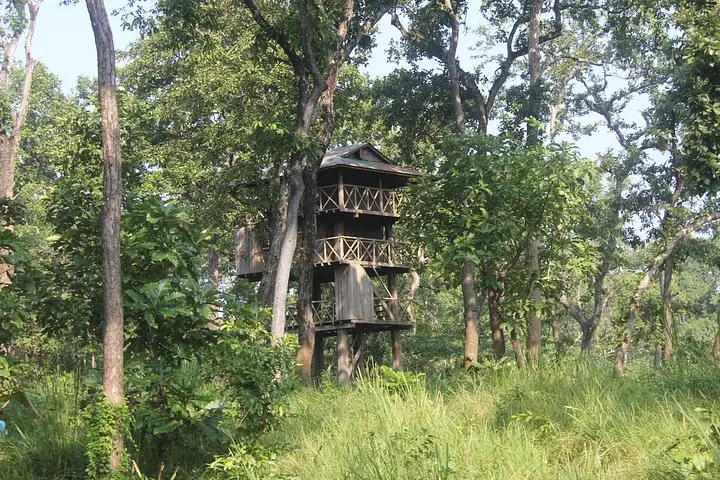
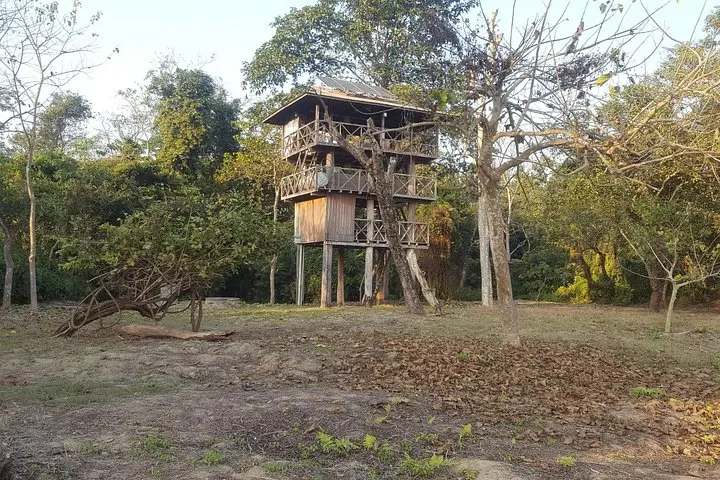
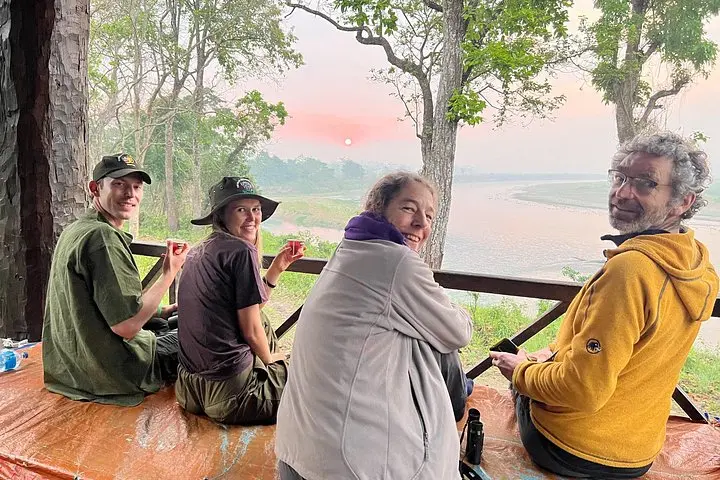
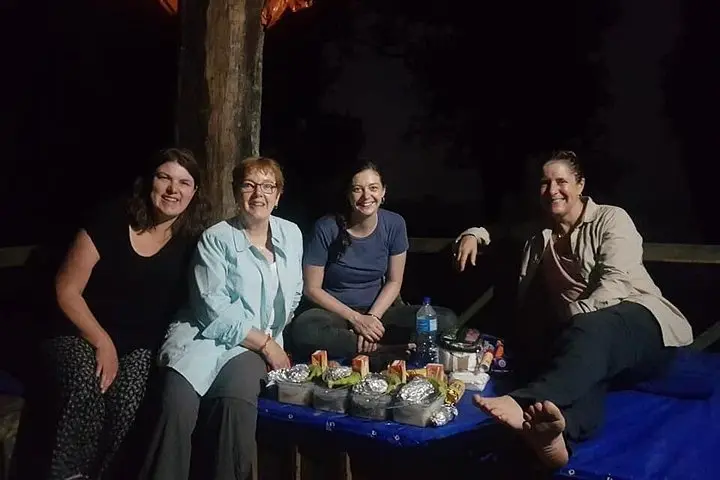
Night falls and the tower becomes a small, lit island in the forest — a wooden platform with low lights where the jungle rearranges its sounds. You step onto a verandah as birds settle and something large moves through the grass; rhino hooves drum nearby and the canopy seems to lean in to listen. That close, the park feels active rather than distant.
Night falls and the tower becomes a small, lit island in the forest — a wooden platform with low lights where the jungle rearranges its sounds. You step onto a verandah as birds settle and something large moves through the grass; rhino hooves drum nearby and the canopy seems to lean in to listen. That close, the park feels active rather than distant.
Chitwan’s floodplain sits at the edge of the Siwalik Hills, a landscape shaped by river deposits and seasonal monsoon flows. For centuries the Terai supported Tharu farming communities whose hunting, floodplain management and cultural dances shaped local relationships to wildlife. Today, conservation and tourism coexist: towers provide low-impact, raised accommodation that keeps the forest floor undisturbed while offering 24‑hour ranger support.
Expect a mix of water and land: a canoe glide along oxbow channels reveals marsh birds and gharial habitat, while jeep safaris punch through grassland where rhino and deer graze. Guides read spoor and bird calls; the night is where the place speaks loudest — an occasional distant bellow, the rustle that pushes you forward.
Practical guidance: pack a warm midlayer and a headlamp, bring insect repellent and quiet shoes for uneven paths. Best viewing is at dawn and dusk; follow ranger instructions during night hours and avoid flash photography near sleeping animals. The experience is low-technical but sensory-intense — suitable for most travelers who can manage stairs and basic outdoor conditions. Book with sensible expectations: this is wildlife habitat, not a zoo — sightings are likely but never guaranteed.