THE ADVENTURE COLLECTIVE® · Independent discovery and booking for outdoor travel

Let your child become a field archaeologist for a morning at Drayton Hall in Charleston. This hands-on program pairs kids with the archaeology team to excavate, document, and learn how soil and objects tell local history.
Let your child become a field archaeologist for a morning at Drayton Hall in Charleston. This hands-on program pairs kids with the archaeology team to excavate, document, and learn how soil and objects tell local history.
Book with Drayton Hall Preservation Trust
Verified experiences and guided adventures in the surrounding area.
Operated by Drayton Hall Preservation Trust · Charleston, South Carolina
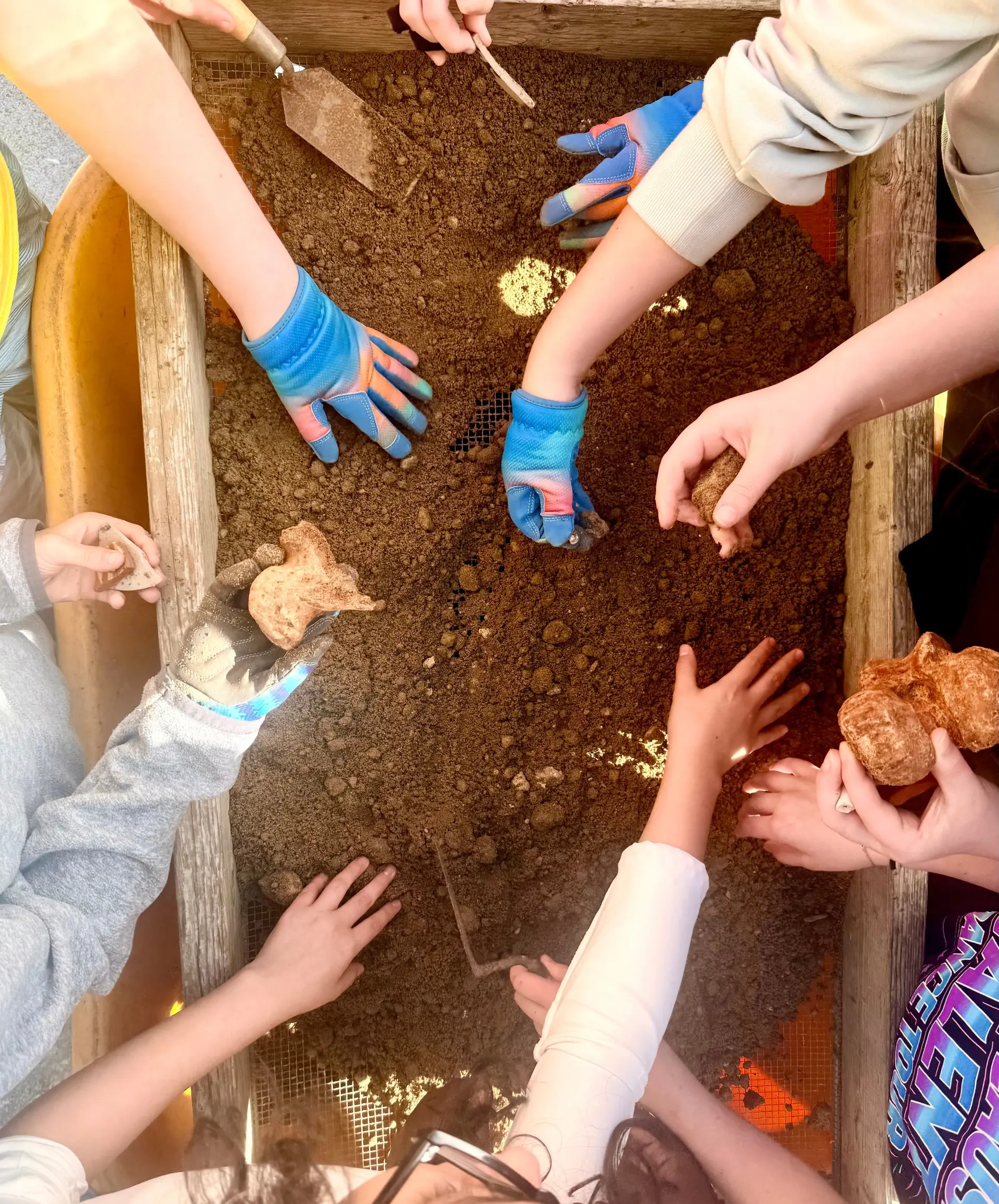
At Drayton Hall in Charleston, South Carolina, Junior Archaeologists turns dirt and dust into a classroom where children become detectives of the past. Designed for ages 6–12, this hands-on program lets young learners work side‑by‑side with Drayton Hall’s archaeology team to read the landscape, trowel through stratified soil, and carefully uncover fragments of daily life left by earlier generations. The experience unfolds on the grounds of Drayton Hall, an active historic property in Charleston, and connects outdoor exploration to scientific method and local history. The program’s core features are simple and vivid: measured test units, labeled stratigraphic layers, and the slow reveal of pottery sherds, glass, and metal that tell human stories. Participants practice basic excavation techniques, learn how to document finds, and handle tools appropriate for small hands. Space is intentionally limited—groups capped at 20—so each child gets close coaching from staff who balance safety with curiosity. Parents are required to stay for the duration, making the dig as much a family learning outing as a kid’s adventure. What sets Junior Archaeologists apart in Charleston’s outdoor offerings is its blend of place-based learning and physical, outdoor engagement. Rather than a museum lesson, kids spend time outdoors interpreting the soil profile, observing changes in sediment and learning how landscape and human activity intersect. For families visiting Charleston, this is a rare chance to join an active field project rather than just viewing artifacts behind glass. Practical details matter: the program is outdoors and weather-dependent, so bring sun protection or a rain jacket; comfortable shoes are a must. The moderate pace keeps younger participants engaged without long stretches of inactivity, and trained staff adapt tasks to age and ability. Because the site is an active research space, the team emphasizes conservation—careful handling, documentation, and leaving the site as found. Beyond the dig, the grounds at Drayton Hall offer a broader outdoor classroom where children can connect soil to stories and the built landscape. Whether a budding scientist or a kid who simply likes to dig, this program gives a tactile, memorable way into Charleston’s past. With expert guides, hands-on tools, and a focus on discovery, Junior Archaeologists makes history active, local, and impossible to forget. Sessions usually run about two hours, beginning with a safety briefing and demonstration of trowel technique, then moving into paired small-group excavation tasks and a wash-and-identify station where finds are cleaned and recorded. Educators frame each discovery with questions about past daily life, trade, and environment, turning artifacts into prompts for discussion. Kids leave with skills—observation, recording, and respect for archaeological process—and a better sense of how places change over time. The program balances curiosity with stewardship, making it ideal for families who value outdoor learning.
The program is designed for children ages 6–12; parents or guardians must stay for the duration.
Groups are limited to up to 20 participants to ensure close supervision and hands-on coaching.
Yes; the activity is outdoors and may be modified, rescheduled, or canceled for severe weather—dress for conditions.
No; finds are part of the site's research collection and are documented and conserved by the archaeology team.
No prior experience is required; instructors teach basic excavation, recording, and handling techniques.
Yes; adults are expected to remain on-site and assist with supervision and activities as requested by staff.
Drayton Hall Preservation Trust stewards Drayton Hall, a nationally significant historic property located on the Ashley River in Charleston, South Carolina. The Trust preserves America’s earliest unrestored Palladian house—often described as the nation's oldest preserved plantation house—and interprets its architectural, cultural, and archaeological stories for the public. Programming includes daily and seasonal guided tours such as the one-hour Signature Experience Tour that visits the cellar, main, and second floors and features the Steven and Laura Gates Exhibit Gallery and the Lenhardt Courtyard Garden. Educator-led Student House Tours provide 45–60 minute curriculum-based experiences exploring African American history, architectural preservation, and onsite archaeology. Evening offerings range from Candlelight Tours that illuminate 18th-century spaces to special events like Drayton Hall at Night with live lawn music and archaeological presentations. Seasonal and community events include the popular Annual Deck the Hall Oyster Roast, holiday concerts such as African American Spirituals with Ann Caldwell and The Magnolia Singers, and hands-on workshops like the Wreath Building Workshop led by local florist Lela Solomon. The Trust also collaborates with nearby institutions to offer combination itineraries—for example, joint tours and package days with Middleton Place and Charleston Strolls walking tours—giving visitors economical ways to experience Lowcountry gardens, houses, and historic streets. Interpreters and guides emphasize preservation, authenticity, and historical context. Many ticketed experiences have limited capacity, so visitors are encouraged to book in advance to secure a place. Public programming supports conservation of the house, landscape, and archaeological collections through admission and membership, and community engagement efforts nationwide.
Book with Drayton Hall Preservation Trust