THE ADVENTURE COLLECTIVE® · Independent discovery and booking for outdoor travel

Explore Kaan Luum’s turquoise lagoon and two contrasting cenotes near Tulum—swim crystal waters, learn Mayan traditions, and wander mangrove fringes on a guided full‑day outing.
Explore Kaan Luum’s turquoise lagoon and two contrasting cenotes near Tulum—swim crystal waters, learn Mayan traditions, and wander mangrove fringes on a guided full‑day outing.
You arrive through a strip of low jungle and the air instantly shifts—humid, green, threaded with the salt of nearby sea and the cooler breath of freshwater. A narrow path opens onto Kaan Luum’s turquoise bowl, a shallow lagoon ringed by mangroves whose roots comb the water like fingers. Nearby, the cavern mouths of Chen-Ha and Mariposa invite quieter dives: shafts of light puncture their ceilings and turn mineral-streaked walls into living maps.
Verified experiences and guided adventures in the surrounding area.
Operated by WISEST TRAVEL · Tulum, Quintana Roo
You arrive through a strip of low jungle and the air instantly shifts—humid, green, threaded with the salt of nearby sea and the cooler breath of freshwater. A narrow path opens onto Kaan Luum’s turquoise bowl, a shallow lagoon ringed by mangroves whose roots comb the water like fingers. Nearby, the cavern mouths of Chen-Ha and Mariposa invite quieter dives: shafts of light puncture their ceilings and turn mineral-streaked walls into living maps.
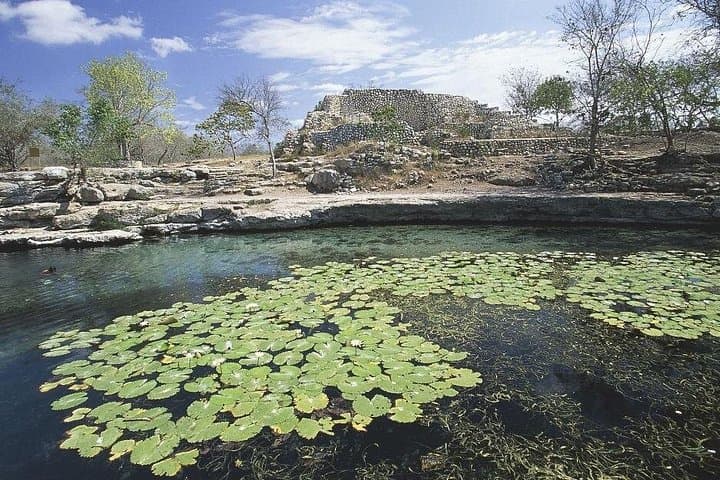
Geology here is limestone made porous by eons of rain; cenotes are collapsed caverns where the groundwater meets open sky. The Maya considered these cenotes sacred wells—places for ritual, offerings and freshwater. Modern guides often pair swimming with short cultural demonstrations: cacao, Melipona beekeeping and a brief Mayan blessing or ceremony led by a local shaman.
Expect calm swims in clear water, short walks on compact jungle paths, and modest cliff-edges around the cenotes. Guides typically provide vests for the deeper holes; flotation and time limits at each site are common to protect both visitors and fragile ecosystems.
Practical notes: bring reef‑safe sunscreen, water shoes with traction and a dry bag for electronics. Plan for a full day (around seven hours) including air‑conditioned transfers from Tulum, a la carte lunch, and intermittent shade. Morning light renders the lagoon’s blue most vivid and avoids the midday crowds.
Respect local rules—no perfumes, no soaps in the water—and follow your guide’s briefing on underwater features and safe swimming. The reward is simple: crystalline water, sculpted rock, and a direct, restorative contact with an ancient landscape.
The full experience runs about seven hours including transport, visits to two cenotes and roughly 75 minutes at Kaan Luum Lagoon.
Yes—most operators provide flotation vests and a certified guide to brief swimmers on depth and currents.
Yes—many sections are shallow and vests are available, but non‑swimmers should remain with guides and wear life vests.
Avoid sunscreen, insect repellent, perfumes or any soaps in the cenotes; use waterproof cameras or keep electronics in sealed dry bags.
WISEST TRAVEL operates guided outdoor trips and adventures with an emphasis on safety, stewardship, and memorable experiences.
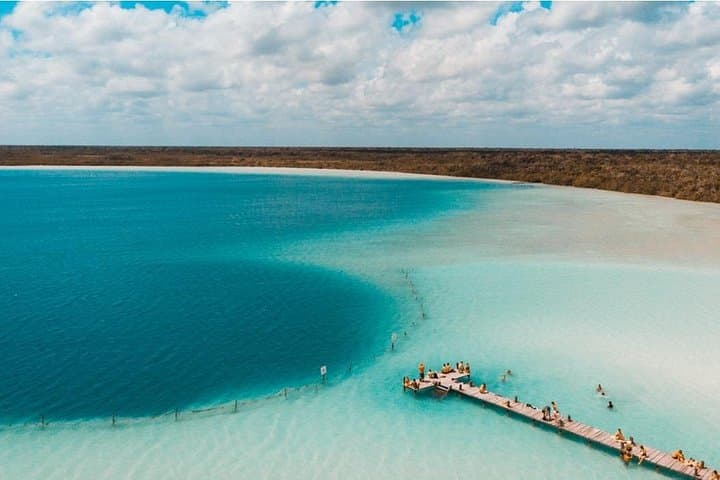
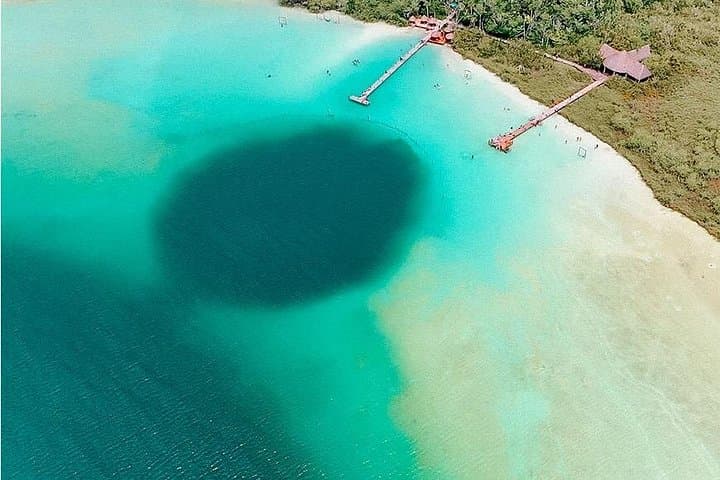
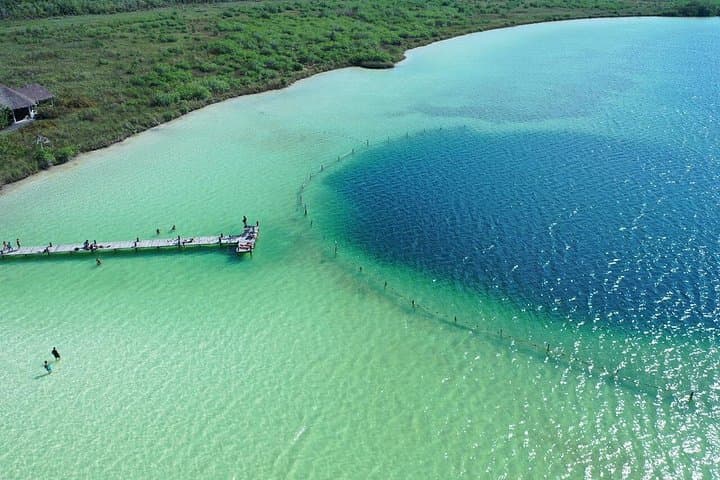
You arrive through a strip of low jungle and the air instantly shifts—humid, green, threaded with the salt of nearby sea and the cooler breath of freshwater. A narrow path opens onto Kaan Luum’s turquoise bowl, a shallow lagoon ringed by mangroves whose roots comb the water like fingers. Nearby, the cavern mouths of Chen-Ha and Mariposa invite quieter dives: shafts of light puncture their ceilings and turn mineral-streaked walls into living maps.
You arrive through a strip of low jungle and the air instantly shifts—humid, green, threaded with the salt of nearby sea and the cooler breath of freshwater. A narrow path opens onto Kaan Luum’s turquoise bowl, a shallow lagoon ringed by mangroves whose roots comb the water like fingers. Nearby, the cavern mouths of Chen-Ha and Mariposa invite quieter dives: shafts of light puncture their ceilings and turn mineral-streaked walls into living maps.
Geology here is limestone made porous by eons of rain; cenotes are collapsed caverns where the groundwater meets open sky. The Maya considered these cenotes sacred wells—places for ritual, offerings and freshwater. Modern guides often pair swimming with short cultural demonstrations: cacao, Melipona beekeeping and a brief Mayan blessing or ceremony led by a local shaman.
Expect calm swims in clear water, short walks on compact jungle paths, and modest cliff-edges around the cenotes. Guides typically provide vests for the deeper holes; flotation and time limits at each site are common to protect both visitors and fragile ecosystems.
Practical notes: bring reef‑safe sunscreen, water shoes with traction and a dry bag for electronics. Plan for a full day (around seven hours) including air‑conditioned transfers from Tulum, a la carte lunch, and intermittent shade. Morning light renders the lagoon’s blue most vivid and avoids the midday crowds.
Respect local rules—no perfumes, no soaps in the water—and follow your guide’s briefing on underwater features and safe swimming. The reward is simple: crystalline water, sculpted rock, and a direct, restorative contact with an ancient landscape.