THE ADVENTURE COLLECTIVE® · Independent discovery and booking for outdoor travel

Dive off West Maui’s Ka'anapali coast on a guided shore dive designed for certified divers. Expect coral gardens, turtles, rays and seasonal whale song on this accessible 2-hour scuba outing.
Dive off West Maui’s Ka'anapali coast on a guided shore dive designed for certified divers. Expect coral gardens, turtles, rays and seasonal whale song on this accessible 2-hour scuba outing.
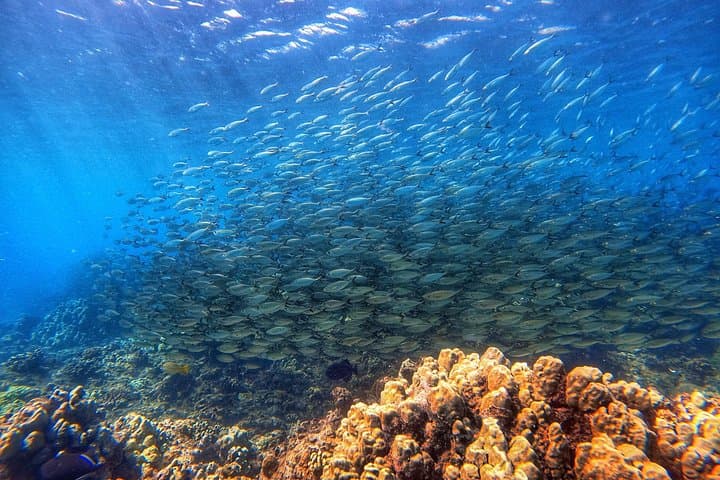
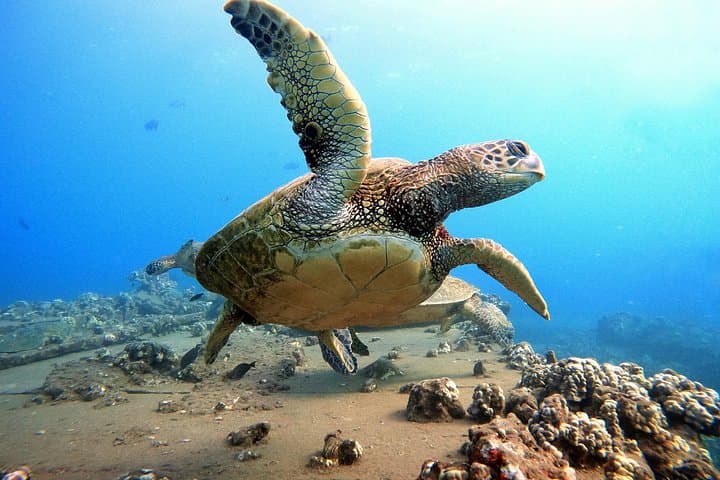
Salt-slick air and the steady hush of surf set the scene as divers step off a West Maui beach and into warm, clear water. The Ka'anapali coastline rolls its reef forward like an invitation; currents nudge you toward coral gardens where green turtles rest and eagle rays slice the blue.
Verified experiences and guided adventures in the surrounding area.
Operated by Aloha Maui Diving · Lahaina, Hawaii
Salt-slick air and the steady hush of surf set the scene as divers step off a West Maui beach and into warm, clear water. The Ka'anapali coastline rolls its reef forward like an invitation; currents nudge you toward coral gardens where green turtles rest and eagle rays slice the blue.
The lava flows that built Maui left shallow terraces and pockets ideal for shore diving—pillow basalt and ancient lava benches provide structure that reef life claims. Lahaina's whaling-era history and the area's long Hawaiian connection to fishing and voyaging are still visible in local place names and stewardship practices. Modern dive operators here combine that cultural awareness with reef conservation work and community giving programs.
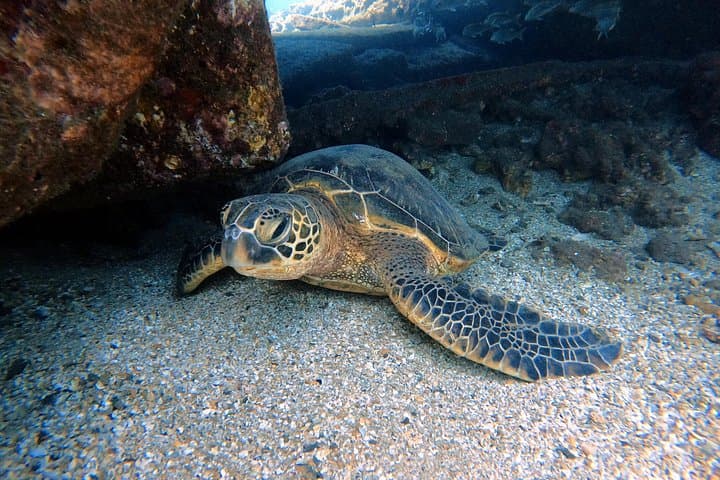
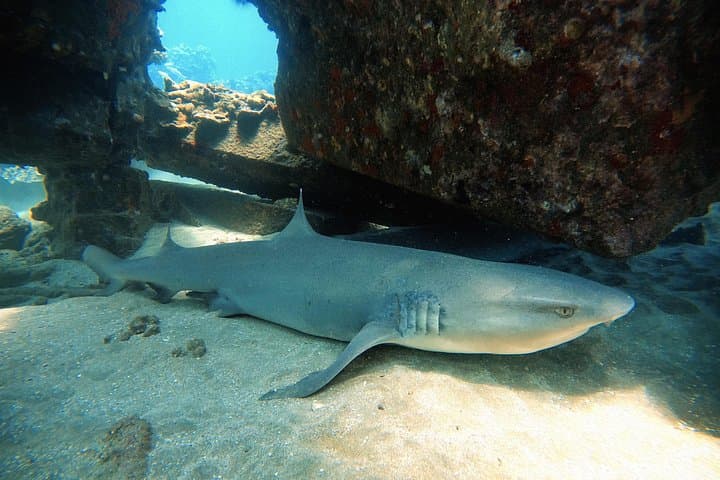
Expect a guided 2-hour shore dive operation: wetsuits and tanks are provided, but divers must be certified, able to manage shore entries and carry roughly 50 lbs of gear. Typical marine sightings include green turtles, octopus, moray eels, white-tip reef sharks, spotted eagle rays, and seasonal whale song. Conditions are usually calm in summer and can be bumpier in winter trade winds; visibility ranges from 30–100 feet depending on swell and runoff.
Practical notes: bring proof of certification and a recent dive log if you haven’t dived in two years. Stay hydrated, avoid flying or high-elevation activities for 18 hours post-dive, and use reef-safe sunscreen. Follow your guide’s brief for entry, exit, and buoyancy; the reef asks for gentle hands and steady fins. With basic preparation, Ka'anapali shore dives deliver accessible, wildlife-rich underwater encounters that reward calm, competent divers.
Yes. All participants must present proof of scuba certification (Open Water or equivalent); divers inactive for two years are strongly advised to take a refresher.
Common sightings include green sea turtles, moray eels, octopus, white-tip reef sharks, spotted eagle rays, frogfish and colorful reef fish; whales may be audible in season.
Divers should be in good physical health, able to carry about 50 lbs, and not have recent spinal or serious cardiovascular issues; operators set minimum age based on certification standards.
Avoid flying or visiting elevations above 1,000 ft for at least 18 hours after diving to reduce decompression sickness risk.
Aloha Maui Diving operates guided outdoor trips and adventures with an emphasis on safety, stewardship, and memorable experiences.
Salt-slick air and the steady hush of surf set the scene as divers step off a West Maui beach and into warm, clear water. The Ka'anapali coastline rolls its reef forward like an invitation; currents nudge you toward coral gardens where green turtles rest and eagle rays slice the blue.
Salt-slick air and the steady hush of surf set the scene as divers step off a West Maui beach and into warm, clear water. The Ka'anapali coastline rolls its reef forward like an invitation; currents nudge you toward coral gardens where green turtles rest and eagle rays slice the blue.
The lava flows that built Maui left shallow terraces and pockets ideal for shore diving—pillow basalt and ancient lava benches provide structure that reef life claims. Lahaina's whaling-era history and the area's long Hawaiian connection to fishing and voyaging are still visible in local place names and stewardship practices. Modern dive operators here combine that cultural awareness with reef conservation work and community giving programs.
Expect a guided 2-hour shore dive operation: wetsuits and tanks are provided, but divers must be certified, able to manage shore entries and carry roughly 50 lbs of gear. Typical marine sightings include green turtles, octopus, moray eels, white-tip reef sharks, spotted eagle rays, and seasonal whale song. Conditions are usually calm in summer and can be bumpier in winter trade winds; visibility ranges from 30–100 feet depending on swell and runoff.
Practical notes: bring proof of certification and a recent dive log if you haven’t dived in two years. Stay hydrated, avoid flying or high-elevation activities for 18 hours post-dive, and use reef-safe sunscreen. Follow your guide’s brief for entry, exit, and buoyancy; the reef asks for gentle hands and steady fins. With basic preparation, Ka'anapali shore dives deliver accessible, wildlife-rich underwater encounters that reward calm, competent divers.