THE ADVENTURE COLLECTIVE® · Independent discovery and booking for outdoor travel

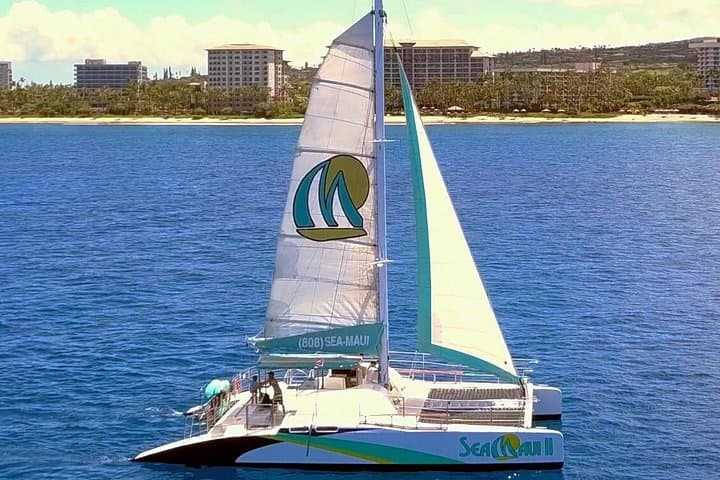
Head offshore from Ka'anapali for a two-hour cruise that pairs expert naturalist commentary with an open bar and high likelihood of humpback sightings during winter. Expect barefoot boarding from Whaler's Village, reef-safe sunscreen, and a social, upbeat onboard vibe.
Head offshore from Ka'anapali for a two-hour cruise that pairs expert naturalist commentary with an open bar and high likelihood of humpback sightings during winter. Expect barefoot boarding from Whaler's Village, reef-safe sunscreen, and a social, upbeat onboard vibe.
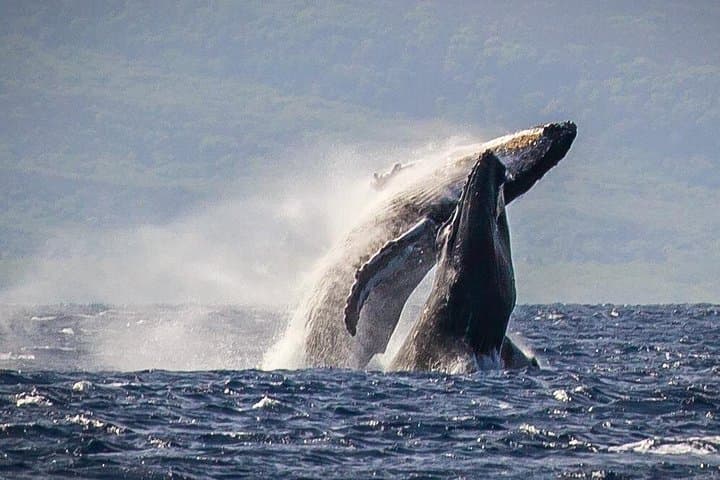
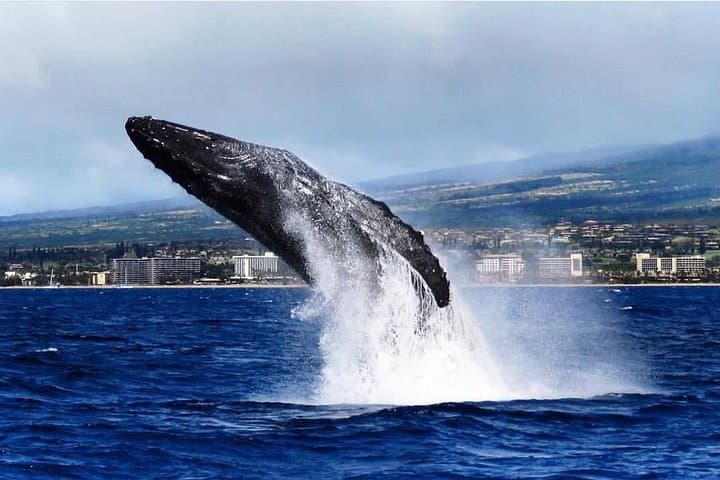
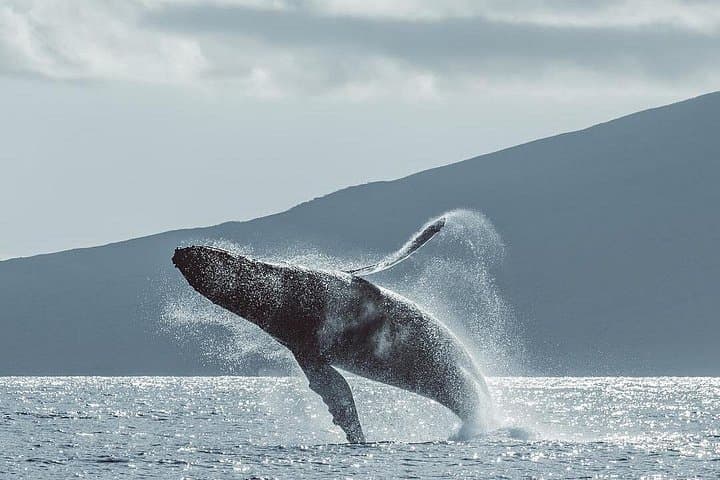
Morning light slices across Ka'anapali Beach and the boat hums against the Pacific as the island exhales salt and warm wind. On this two-hour outing off West Maui, the sea begins to move with purpose — tails flick, spouts puncture the surface, and humpback whales command attention from miles below. Naturalists aboard read the water like a map, steering toward active pods while the coastline of West Maui recedes into a low, green line.
Verified experiences and guided adventures in the surrounding area.
Operated by Sea Maui · Lahaina, Hawaii
Morning light slices across Ka'anapali Beach and the boat hums against the Pacific as the island exhales salt and warm wind. On this two-hour outing off West Maui, the sea begins to move with purpose — tails flick, spouts puncture the surface, and humpback whales command attention from miles below. Naturalists aboard read the water like a map, steering toward active pods while the coastline of West Maui recedes into a low, green line.
Geology here is loud and simple: volcanic flows built the mountains you see from the water, and the deep channels off Ka'anapali funnel nutrients that help sustain rich marine life. Lahaina itself was once a global whaling port in the 19th century and today balances tourism with cultural stewardship; local guides often explain traditional Hawaiian relationships to the ocean during the cruise.
Practically speaking, departures are from the Sea Maui kiosk at Whaler’s Village — check in 30 minutes early. Boarding requires wading into knee-deep water and the entire sail is barefoot; bring a secure dry bag for electronics. Open bar is included; bring a government ID if you plan to drink. Dress in layers, apply reef-safe sunscreen, and consider motion-sickness medicine if you’re prone to seasickness. Federal and state rules protect whales, so boats maintain respectful distances and sightings can’t be guaranteed, but peak season (December–April) offers the best chance to see breaches and calf-mother interactions.
Expect approachable narration from trained naturalists, easy walk-on access, and a social, lively atmosphere — a practical, memorable way to experience Maui’s winter giants.
Peak season in Maui is December through April, during the whales’ winter breeding and calving migration — sightings are most frequent then.
No — sightings are common in season but never guaranteed; naturalists maximize chances by following pod activity and NOAA viewing guidelines.
Yes. An open bar is included but you must be 21+ and present a valid ID; drink responsibly as gratuities are not included.
Boarding requires walking into knee-deep water and stepping up a ladder; it’s not recommended for travelers with significant mobility issues.
Sea Maui operates guided outdoor trips and adventures with an emphasis on safety, stewardship, and memorable experiences.
Morning light slices across Ka'anapali Beach and the boat hums against the Pacific as the island exhales salt and warm wind. On this two-hour outing off West Maui, the sea begins to move with purpose — tails flick, spouts puncture the surface, and humpback whales command attention from miles below. Naturalists aboard read the water like a map, steering toward active pods while the coastline of West Maui recedes into a low, green line.
Morning light slices across Ka'anapali Beach and the boat hums against the Pacific as the island exhales salt and warm wind. On this two-hour outing off West Maui, the sea begins to move with purpose — tails flick, spouts puncture the surface, and humpback whales command attention from miles below. Naturalists aboard read the water like a map, steering toward active pods while the coastline of West Maui recedes into a low, green line.
Geology here is loud and simple: volcanic flows built the mountains you see from the water, and the deep channels off Ka'anapali funnel nutrients that help sustain rich marine life. Lahaina itself was once a global whaling port in the 19th century and today balances tourism with cultural stewardship; local guides often explain traditional Hawaiian relationships to the ocean during the cruise.
Practically speaking, departures are from the Sea Maui kiosk at Whaler’s Village — check in 30 minutes early. Boarding requires wading into knee-deep water and the entire sail is barefoot; bring a secure dry bag for electronics. Open bar is included; bring a government ID if you plan to drink. Dress in layers, apply reef-safe sunscreen, and consider motion-sickness medicine if you’re prone to seasickness. Federal and state rules protect whales, so boats maintain respectful distances and sightings can’t be guaranteed, but peak season (December–April) offers the best chance to see breaches and calf-mother interactions.
Expect approachable narration from trained naturalists, easy walk-on access, and a social, lively atmosphere — a practical, memorable way to experience Maui’s winter giants.