THE ADVENTURE COLLECTIVE® · Independent discovery and booking for outdoor travel

Cycle quiet lanes through Kaba Kaba’s rice fields and water temples on a 4–5 hour cultural ride. Learn wet‑rice irrigation, visit ancestral sites, and finish with palm‑fringed views of Bali’s volcanic slopes.
Cycle quiet lanes through Kaba Kaba’s rice fields and water temples on a 4–5 hour cultural ride. Learn wet‑rice irrigation, visit ancestral sites, and finish with palm‑fringed views of Bali’s volcanic slopes.
Morning light slices across emerald rice paddies as the group tightens helmets and tests brakes at Yayasan Manu Widya Narayana in Kaba Kaba.
Verified experiences and guided adventures in the surrounding area.
Operated by Bali Eco Tours (PT Darma Sari Tresna) · Kaba Kaba, Bali
Morning light slices across emerald rice paddies as the group tightens helmets and tests brakes at Yayasan Manu Widya Narayana in Kaba Kaba.
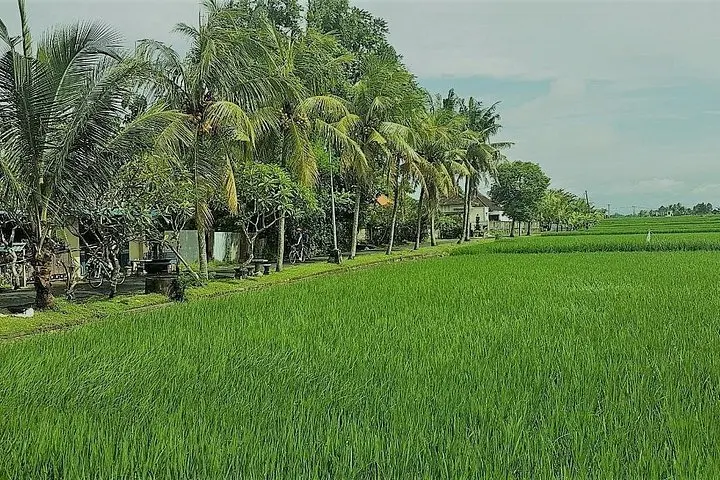
Cyclists roll out onto quiet country lanes ringed by palm fronds and volcanic silhouettes, the air carrying the faint perfume of wet soil and cooking coconut. The route threads ancestral sites, a river that has long protected the valley, and fields fed by Bali’s ingenious subak irrigation. Guides explain how wet‑rice agriculture shaped local social life and faith—water temples and ritual springs are practical infrastructure and cultural anchors.
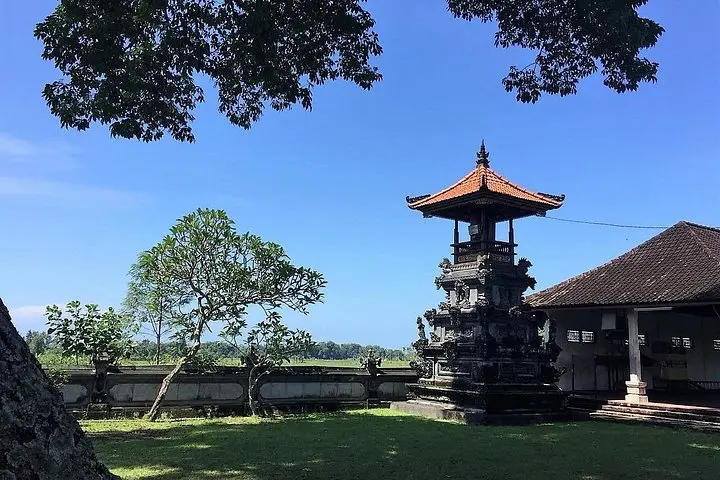
Geologically, the landscape is volcanic clay and alluvial terraces, carved into level steps that funnel water with near-mathematical precision. Culturally, Kaba Kaba sits on layers of migration and local rule; the four‑hectare complex of historic buildings marks the old principality’s administrative heart. Expect encounters with temple guardians, small shrines between paddies, and villagers going about daily chores—this is active living, not a museum.
Practically, the tour is 4–5 hours over mostly flat, low-traffic lanes with short walking sections to riverside breaks and temple approaches. Bikes and helmets are provided; bottled water, snacks, and young coconut are included. Dress modestly for village visits, use sun protection, and be prepared for sudden tropical showers during the wet season. The pace is gentle—suitable for beginners who can ride a few hours—yet rich in interpretive stops that turn a simple pedal into a cultural field study. Ride steady, respect temple protocols, and let the land and guides lead the story.
The tour runs about 4–5 hours total with multiple short stops; riding time is largely gentle and interspersed with walks at the river and temple areas.
Yes—bikes, helmets and a safety briefing are included; staff will help adjust fit before departure.
Yes—the route is classified easy and suitable for riders of basic fitness who can pedal for a few hours and handle short walking sections.
Dress modestly—cover shoulders and knees; guides may request sarongs or offer directions for respectful conduct at sacred sites.
Bali Eco Tours (PT Darma Sari Tresna) operates guided outdoor trips and adventures with an emphasis on safety, stewardship, and memorable experiences.
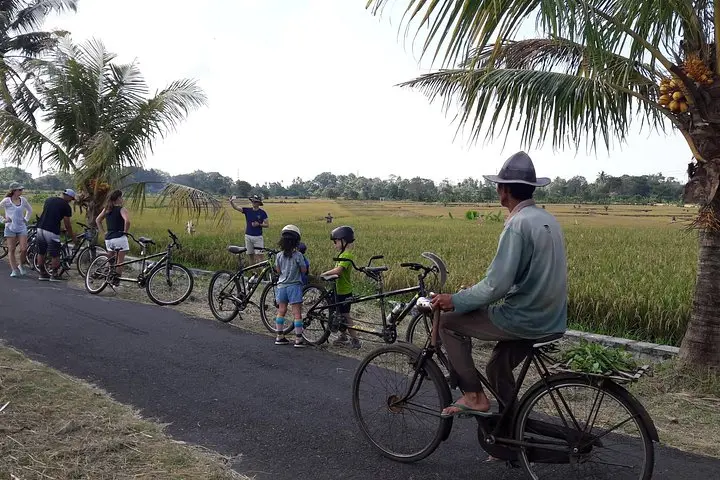
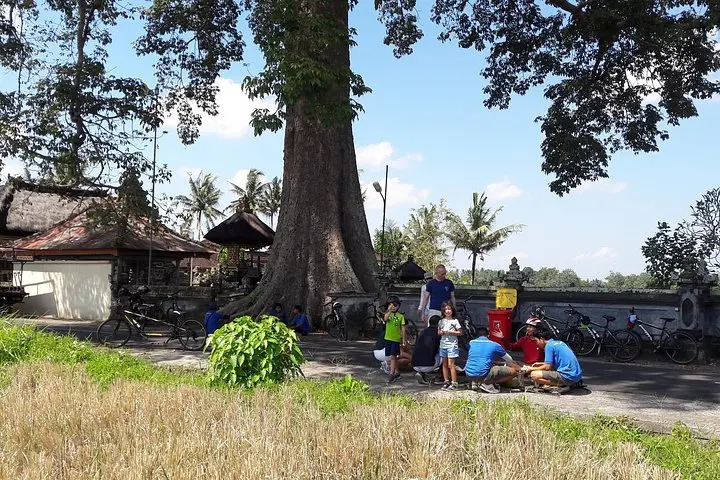
Morning light slices across emerald rice paddies as the group tightens helmets and tests brakes at Yayasan Manu Widya Narayana in Kaba Kaba.
Morning light slices across emerald rice paddies as the group tightens helmets and tests brakes at Yayasan Manu Widya Narayana in Kaba Kaba.
Cyclists roll out onto quiet country lanes ringed by palm fronds and volcanic silhouettes, the air carrying the faint perfume of wet soil and cooking coconut. The route threads ancestral sites, a river that has long protected the valley, and fields fed by Bali’s ingenious subak irrigation. Guides explain how wet‑rice agriculture shaped local social life and faith—water temples and ritual springs are practical infrastructure and cultural anchors.
Geologically, the landscape is volcanic clay and alluvial terraces, carved into level steps that funnel water with near-mathematical precision. Culturally, Kaba Kaba sits on layers of migration and local rule; the four‑hectare complex of historic buildings marks the old principality’s administrative heart. Expect encounters with temple guardians, small shrines between paddies, and villagers going about daily chores—this is active living, not a museum.
Practically, the tour is 4–5 hours over mostly flat, low-traffic lanes with short walking sections to riverside breaks and temple approaches. Bikes and helmets are provided; bottled water, snacks, and young coconut are included. Dress modestly for village visits, use sun protection, and be prepared for sudden tropical showers during the wet season. The pace is gentle—suitable for beginners who can ride a few hours—yet rich in interpretive stops that turn a simple pedal into a cultural field study. Ride steady, respect temple protocols, and let the land and guides lead the story.