THE ADVENTURE COLLECTIVE® · Independent discovery and booking for outdoor travel

Float through the Kadalundi estuary with a local storyteller, learning how nine mangrove species and roughly 100 birds make this community reserve their home. This tide-dependent, two-hour boat tour mixes hands-on conservation with focused birdwatching and coastal ecology.
Float through the Kadalundi estuary with a local storyteller, learning how nine mangrove species and roughly 100 birds make this community reserve their home. This tide-dependent, two-hour boat tour mixes hands-on conservation with focused birdwatching and coastal ecology.
You push off in a narrow country boat as the estuary yawns open, silver water slipping past dense roots that grip the mud like living piles. The mangroves lean low; their prop roots dare you to read the tides. A local storyteller—often Mr. Ayyappan or another community volunteer—narrates the movement of people and birds here while you drift beneath a canopy of green.
Verified experiences and guided adventures in the surrounding area.
Operated by Tyndis Travel · Kadalundi, Kerala
You push off in a narrow country boat as the estuary yawns open, silver water slipping past dense roots that grip the mud like living piles. The mangroves lean low; their prop roots dare you to read the tides. A local storyteller—often Mr. Ayyappan or another community volunteer—narrates the movement of people and birds here while you drift beneath a canopy of green.
Geology here is recent: an alluvial estuary where the Kadalundi River slows, drops sediment and builds the sheltered islands that mangroves colonize. Culturally, the reserve is community-run, a small example of coastal stewardship where fishermen, volunteers and conservationists intersect. The biology is the obvious draw—about nine mangrove varieties and roughly a hundred bird species use this patch as nursery, roost and feeding ground.
Expect a slow, sensory tour: bird calls puncture the hush, fiddler crabs hop among roots and you’ll learn how planting saplings helps rebuild shoreline resilience. Because access requires high tide, departures can shift by 20–30 minutes; operators confirm times after booking.
Practical notes: the outing runs about two hours from boat launch, requires moderate fitness for boarding and uneven ground, and is not suitable for those with serious back, heart or pregnancy concerns. Wear sturdy water-friendly shoes, bring sun protection, insect repellent and a refillable water bottle. Morning departures yield best bird activity and cooler air; rains can cancel trips. Respect local guides, avoid touching fauna, and consider planting participation only when staff advise—timing matters for sapling survival.
Yes—children can join but must be supervised; infants should sit on an adult’s lap and the operator may set age limits for safety.
Very—entry to the mangroves requires high tide, so exact start times shift and the operator confirms times after booking; cancellations can occur for low tide or heavy weather.
Occasionally—planting depends on season and weather; guides will invite guests to participate when conditions are right to maximize sapling survival.
Yes—boarding small boats and walking on soft, uneven ground make this tour unsuitable for those with serious back, heart issues, or pregnancy.
Tyndis Travel operates guided outdoor trips and adventures with an emphasis on safety, stewardship, and memorable experiences.
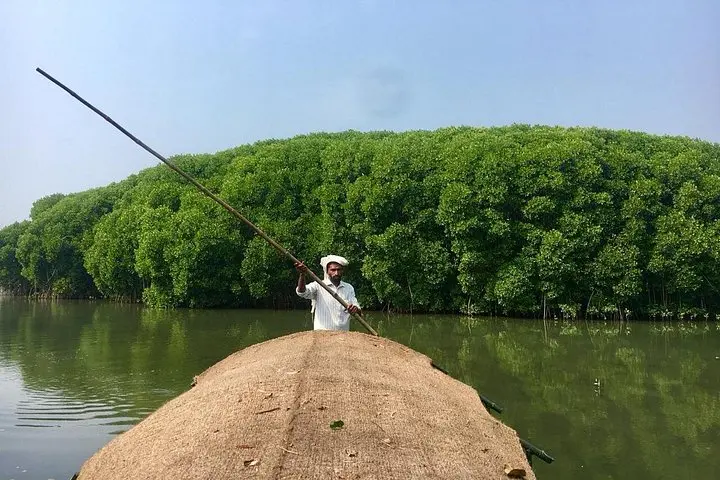
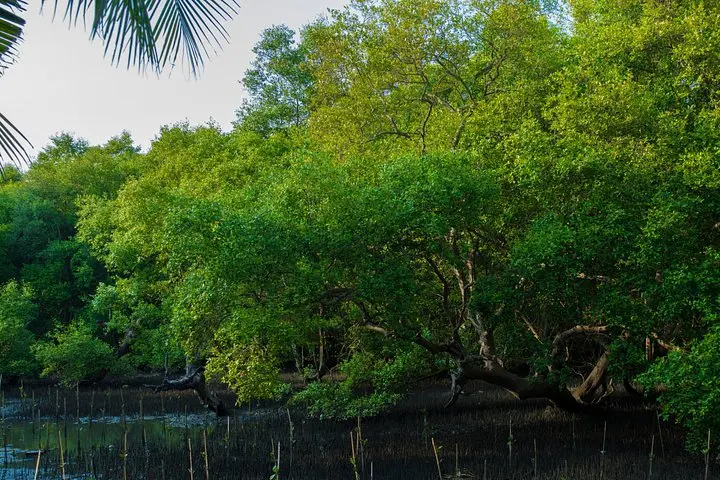
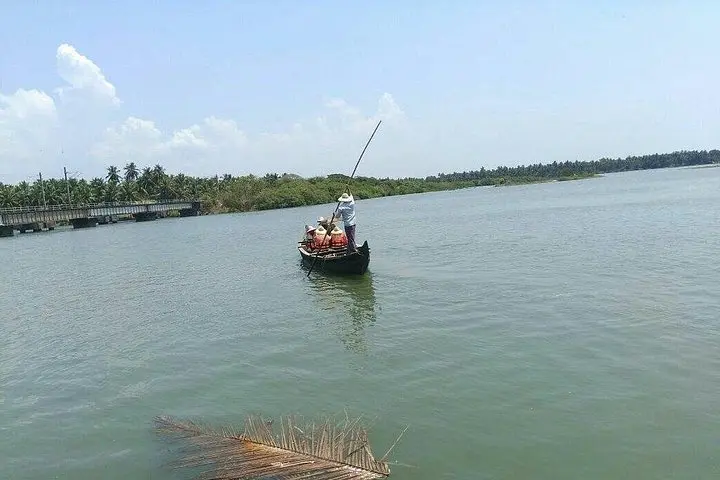
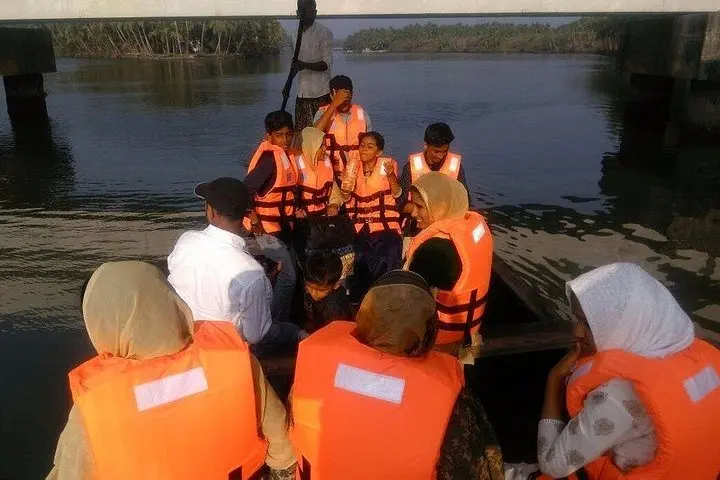
You push off in a narrow country boat as the estuary yawns open, silver water slipping past dense roots that grip the mud like living piles. The mangroves lean low; their prop roots dare you to read the tides. A local storyteller—often Mr. Ayyappan or another community volunteer—narrates the movement of people and birds here while you drift beneath a canopy of green.
You push off in a narrow country boat as the estuary yawns open, silver water slipping past dense roots that grip the mud like living piles. The mangroves lean low; their prop roots dare you to read the tides. A local storyteller—often Mr. Ayyappan or another community volunteer—narrates the movement of people and birds here while you drift beneath a canopy of green.
Geology here is recent: an alluvial estuary where the Kadalundi River slows, drops sediment and builds the sheltered islands that mangroves colonize. Culturally, the reserve is community-run, a small example of coastal stewardship where fishermen, volunteers and conservationists intersect. The biology is the obvious draw—about nine mangrove varieties and roughly a hundred bird species use this patch as nursery, roost and feeding ground.
Expect a slow, sensory tour: bird calls puncture the hush, fiddler crabs hop among roots and you’ll learn how planting saplings helps rebuild shoreline resilience. Because access requires high tide, departures can shift by 20–30 minutes; operators confirm times after booking.
Practical notes: the outing runs about two hours from boat launch, requires moderate fitness for boarding and uneven ground, and is not suitable for those with serious back, heart or pregnancy concerns. Wear sturdy water-friendly shoes, bring sun protection, insect repellent and a refillable water bottle. Morning departures yield best bird activity and cooler air; rains can cancel trips. Respect local guides, avoid touching fauna, and consider planting participation only when staff advise—timing matters for sapling survival.