THE ADVENTURE COLLECTIVE® · Independent discovery and booking for outdoor travel

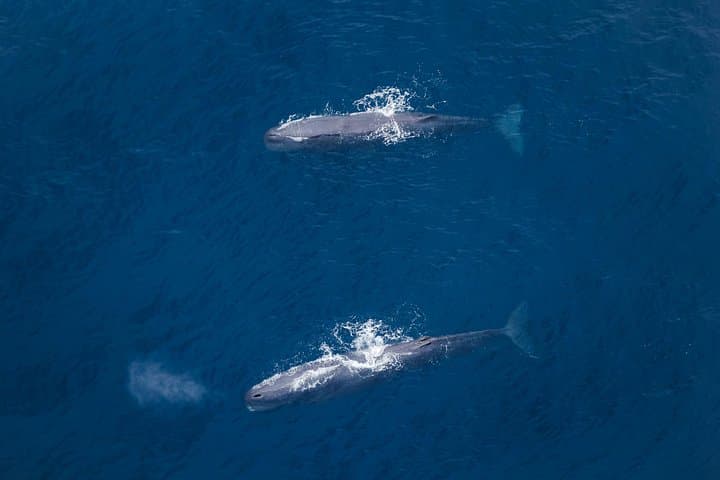
See Kaikōura’s sperm whales from above on a 30-minute scenic flight that pairs dramatic coastal geology with marine wildlife viewing. Expect mountain-meets-sea panoramas, expert narration, and weather-dependent sightings.
See Kaikōura’s sperm whales from above on a 30-minute scenic flight that pairs dramatic coastal geology with marine wildlife viewing. Expect mountain-meets-sea panoramas, expert narration, and weather-dependent sightings.
The plane climbs out over Kaikōura and the shore drops away—mountains push the sky while the sea stretches glittering and restless below. From thirty minutes above, you watch a coastline that pushes and folds, and the ocean seems to breathe: currents rolling, fronts colliding, and the dark backs of cetaceans cutting a path through it.
Verified experiences and guided adventures in the surrounding area.
Operated by Air Kaikoura · Kaikōura, Canterbury
The plane climbs out over Kaikōura and the shore drops away—mountains push the sky while the sea stretches glittering and restless below. From thirty minutes above, you watch a coastline that pushes and folds, and the ocean seems to breathe: currents rolling, fronts colliding, and the dark backs of cetaceans cutting a path through it.
Kaikōura’s coastline is forged by tectonics—the Pacific Plate lifting the Seaward Kaikōura Range almost vertically from the sea—and that dramatic meeting of rock and ocean creates nutrient-rich waters that attract sperm whales and other deep-diving species. The town’s name reflects a long ahi kai (food) relationship between Ngāi Tahu and the sea; whaling and Māori kaimoana (seafood) traditions mark the area’s human history.
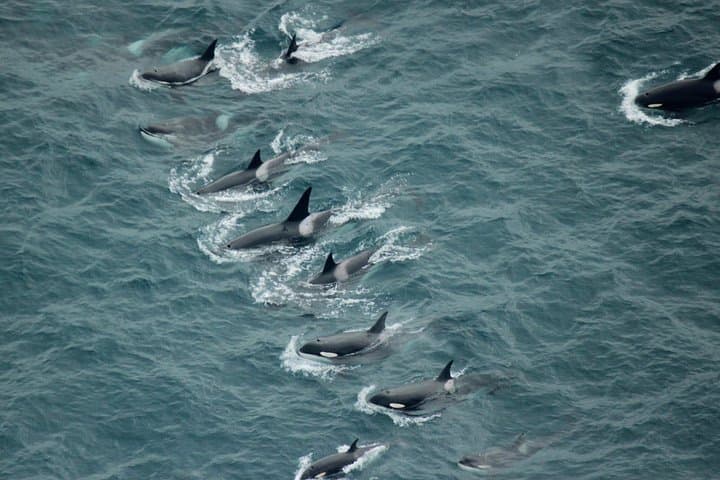
On a flight with experienced pilots you’ll get context as much as sightings: how upwelling concentrates squid that feed sperm whales, and where pods of dusky dolphins and migrating humpbacks often pass. The air gives you a different sense of scale—whales shrinking into the geometry of bays, the peninsula drawing a fine line between mountain and sea.
Practical note: flights are short but weather-dependent; allow an hour for scheduling and wear windproof layers. Bring a camera with a short telephoto and keep expectations realistic—sightings are likely but never guaranteed. If whales aren’t visible, the coastal geology, seal colonies, and birdlife still make the aerial perspective worthwhile.
No—whales are wild animals and sightings cannot be guaranteed; operators optimize timing and routes but do not offer refunds solely for lack of sightings.
Operators may have weight limits for safety and balance; passengers over specified limits should contact the operator in advance to discuss arrangements.
Flights canceled for weather are typically refundable or can be rescheduled according to the provider’s policy—check their 24-hour cancellation rules.
Children and infants are welcome, but infants are required to sit on an adult’s lap during the flight; check operator age restrictions and safety procedures.
Air Kaikoura operates guided outdoor trips and adventures with an emphasis on safety, stewardship, and memorable experiences.


The plane climbs out over Kaikōura and the shore drops away—mountains push the sky while the sea stretches glittering and restless below. From thirty minutes above, you watch a coastline that pushes and folds, and the ocean seems to breathe: currents rolling, fronts colliding, and the dark backs of cetaceans cutting a path through it.
The plane climbs out over Kaikōura and the shore drops away—mountains push the sky while the sea stretches glittering and restless below. From thirty minutes above, you watch a coastline that pushes and folds, and the ocean seems to breathe: currents rolling, fronts colliding, and the dark backs of cetaceans cutting a path through it.
Kaikōura’s coastline is forged by tectonics—the Pacific Plate lifting the Seaward Kaikōura Range almost vertically from the sea—and that dramatic meeting of rock and ocean creates nutrient-rich waters that attract sperm whales and other deep-diving species. The town’s name reflects a long ahi kai (food) relationship between Ngāi Tahu and the sea; whaling and Māori kaimoana (seafood) traditions mark the area’s human history.
On a flight with experienced pilots you’ll get context as much as sightings: how upwelling concentrates squid that feed sperm whales, and where pods of dusky dolphins and migrating humpbacks often pass. The air gives you a different sense of scale—whales shrinking into the geometry of bays, the peninsula drawing a fine line between mountain and sea.
Practical note: flights are short but weather-dependent; allow an hour for scheduling and wear windproof layers. Bring a camera with a short telephoto and keep expectations realistic—sightings are likely but never guaranteed. If whales aren’t visible, the coastal geology, seal colonies, and birdlife still make the aerial perspective worthwhile.