THE ADVENTURE COLLECTIVE® · Independent discovery and booking for outdoor travel

Experience Kailua-Kona after dark as mantas glide through plankton lit by underwater lights. This guided night snorkel pairs a short sunset cruise with up-close, respectful viewing of feeding manta rays.
Experience Kailua-Kona after dark as mantas glide through plankton lit by underwater lights. This guided night snorkel pairs a short sunset cruise with up-close, respectful viewing of feeding manta rays.
Night folds over Kailua-Kona and the harbor becomes a low-lit stage; the boat idles, engines softening while the sky still holds the last blush of sunset. Lights under the stern scatter like beacons, drawing tiny plankton into a pulsing cloud—an invitation the mantas cannot refuse. When you slip into the warm Pacific, the water is cool against your wetsuit top and a slow, enormous wing moves into view. Mantàs glide, mouths open, sweeping the lit water with effortless authority. The current seems to nudge you closer; the ocean dares you to watch.
Verified experiences and guided adventures in the surrounding area.
Operated by Kona Coast Boat Tours · Kailua-Kona, Hawaii
Night folds over Kailua-Kona and the harbor becomes a low-lit stage; the boat idles, engines softening while the sky still holds the last blush of sunset. Lights under the stern scatter like beacons, drawing tiny plankton into a pulsing cloud—an invitation the mantas cannot refuse. When you slip into the warm Pacific, the water is cool against your wetsuit top and a slow, enormous wing moves into view. Mantàs glide, mouths open, sweeping the lit water with effortless authority. The current seems to nudge you closer; the ocean dares you to watch.
The Kona coast sits on relatively young volcanic rock from Hualālai and Mauna Loa flows; its steep drop-offs create nutrient channels that help concentrate plankton. For centuries, Native Hawaiians fished these waters and read ocean patterns—today guides combine that local knowledge with nighttime lighting techniques to create consistent viewing conditions. The interaction is less spectacle and more ecological choreography: mantas feed, lights attract food, and people watch respectfully.
Expect a short sunset cruise, a safety briefing, then entry at night with guide-led rotations. Boat facilities usually include a restroom, refreshments, and flotation options; wetsuit tops and snorkel gear are typically provided. Timing matters—arrive early to settle seasickness, hydrate, and test your mask. Keep movements slow in the water, follow hand signals, and never chase or touch animals. Photography by professionals or low-glow lights is standard; flash photography and splashy behavior are discouraged. This trip balances raw marine theater with practical safety—come prepared, alert, and ready to be outmanned by something vast and patient.
Tours accommodate a range of abilities; flotation devices and wetsuit tops are provided, but non-swimmers should check with the operator—some companies require basic swimming ability.
Manta sightings are highly likely on established Kona night snorkels, but wildlife is never guaranteed; weather or sea conditions can affect encounters and trips may be canceled for safety.
You may bring waterproof cameras, but flash is discouraged; many operators offer professional photos or video for purchase to avoid distraction and disturbance.
Infants may ride on laps, but pregnant travelers and those with serious back or heart conditions are typically advised not to participate—confirm with the operator when booking.
Kona Coast Boat Tours operates guided outdoor trips and adventures with an emphasis on safety, stewardship, and memorable experiences.
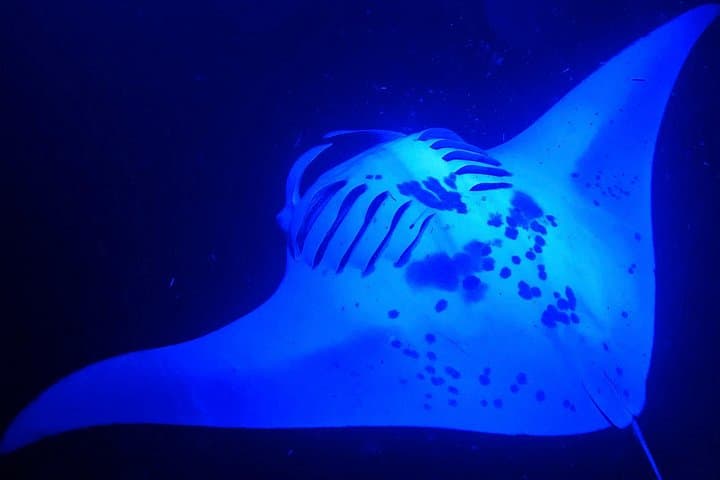
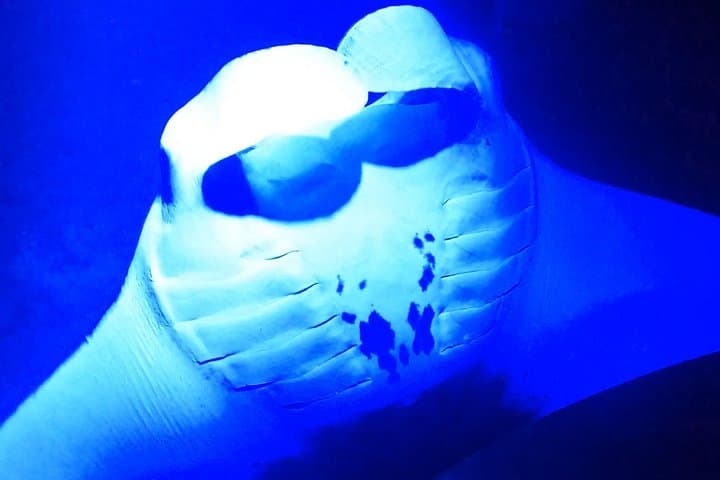
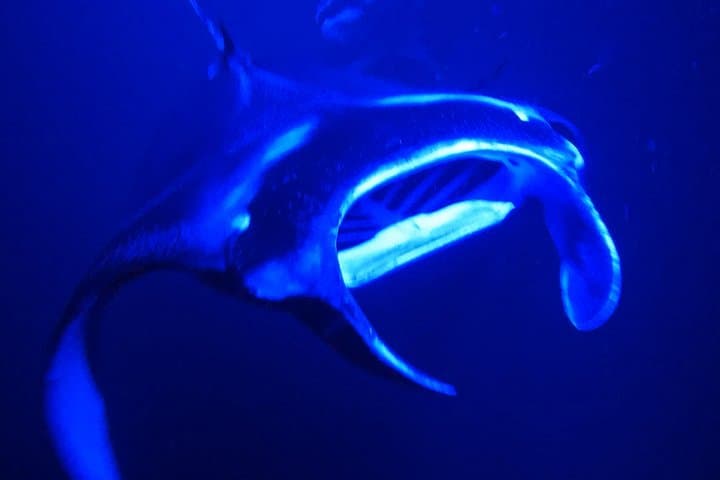
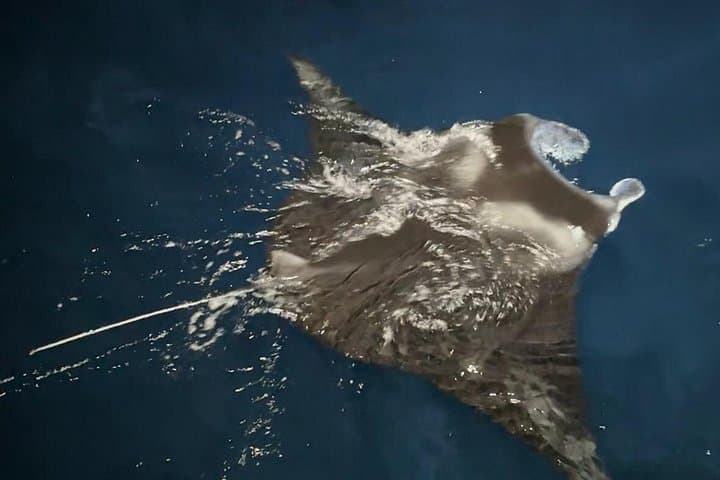
Night folds over Kailua-Kona and the harbor becomes a low-lit stage; the boat idles, engines softening while the sky still holds the last blush of sunset. Lights under the stern scatter like beacons, drawing tiny plankton into a pulsing cloud—an invitation the mantas cannot refuse. When you slip into the warm Pacific, the water is cool against your wetsuit top and a slow, enormous wing moves into view. Mantàs glide, mouths open, sweeping the lit water with effortless authority. The current seems to nudge you closer; the ocean dares you to watch.
Night folds over Kailua-Kona and the harbor becomes a low-lit stage; the boat idles, engines softening while the sky still holds the last blush of sunset. Lights under the stern scatter like beacons, drawing tiny plankton into a pulsing cloud—an invitation the mantas cannot refuse. When you slip into the warm Pacific, the water is cool against your wetsuit top and a slow, enormous wing moves into view. Mantàs glide, mouths open, sweeping the lit water with effortless authority. The current seems to nudge you closer; the ocean dares you to watch.
The Kona coast sits on relatively young volcanic rock from Hualālai and Mauna Loa flows; its steep drop-offs create nutrient channels that help concentrate plankton. For centuries, Native Hawaiians fished these waters and read ocean patterns—today guides combine that local knowledge with nighttime lighting techniques to create consistent viewing conditions. The interaction is less spectacle and more ecological choreography: mantas feed, lights attract food, and people watch respectfully.
Expect a short sunset cruise, a safety briefing, then entry at night with guide-led rotations. Boat facilities usually include a restroom, refreshments, and flotation options; wetsuit tops and snorkel gear are typically provided. Timing matters—arrive early to settle seasickness, hydrate, and test your mask. Keep movements slow in the water, follow hand signals, and never chase or touch animals. Photography by professionals or low-glow lights is standard; flash photography and splashy behavior are discouraged. This trip balances raw marine theater with practical safety—come prepared, alert, and ready to be outmanned by something vast and patient.