THE ADVENTURE COLLECTIVE® · Independent discovery and booking for outdoor travel

Board a two-and-a-half-hour hydrophone-equipped cruise from Kailua-Kona to hear and see humpback whales up close. Naturalists narrate, sightings are guaranteed during December–April, and the trip balances science, safety, and spectacular photo ops.
Board a two-and-a-half-hour hydrophone-equipped cruise from Kailua-Kona to hear and see humpback whales up close. Naturalists narrate, sightings are guaranteed during December–April, and the trip balances science, safety, and spectacular photo ops.
You step off the sidewalk into trade wind air and the warm salt breath of the Pacific. The Kailua Pier is a short walk from the shopping strip, but aboard the catamaran the island feels farther away—only sea and a sky rimmed with Mauna Loa and Hualālai. Within minutes the Kona coast slips astern and the ocean widens; crests lift and fall like a crowd holding its breath.
Verified experiences and guided adventures in the surrounding area.
Operated by Body Glove Cruises · Kailua-Kona, Hawaii
You step off the sidewalk into trade wind air and the warm salt breath of the Pacific. The Kailua Pier is a short walk from the shopping strip, but aboard the catamaran the island feels farther away—only sea and a sky rimmed with Mauna Loa and Hualālai. Within minutes the Kona coast slips astern and the ocean widens; crests lift and fall like a crowd holding its breath.
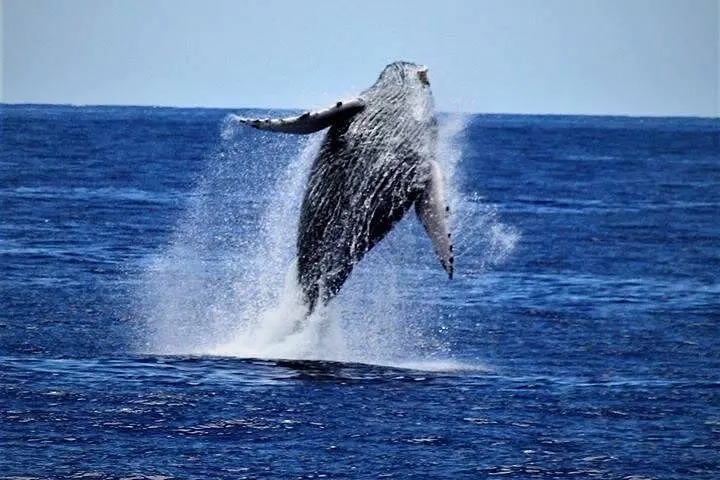
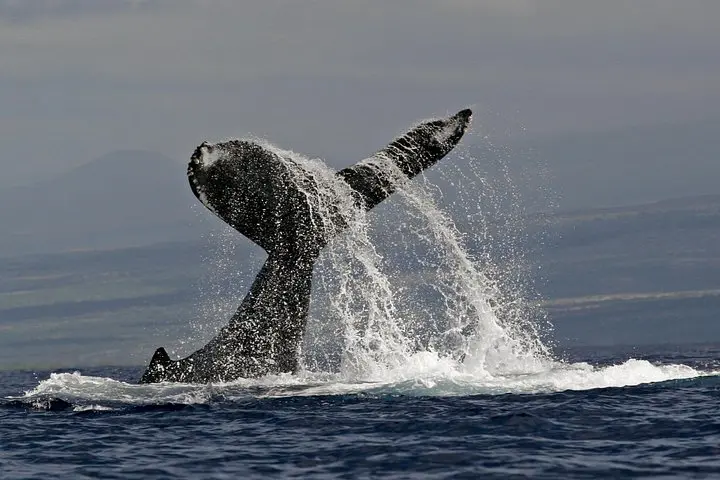
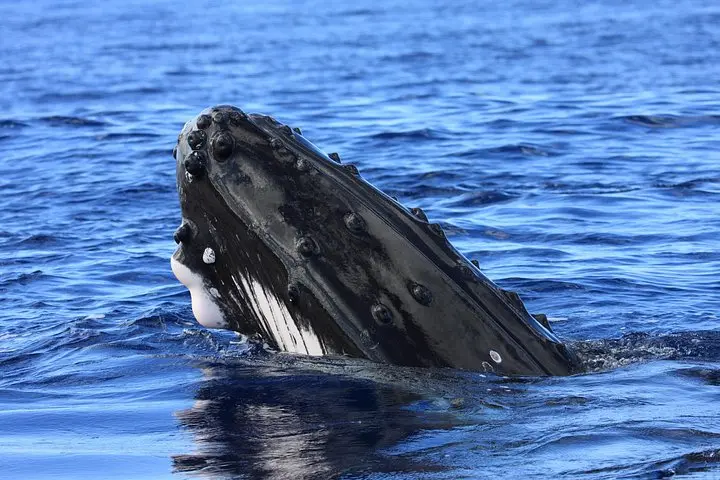
This two-and-a-half-hour cruise runs December through April, when North Pacific humpback whales migrate into Hawaiian waters to breed and calf. Onboard a certified naturalist, you’ll move into the whales’ territory under NOAA viewing guidelines: the captain keeps a respectful distance, but the animals often edge closer. A hydrophone drops into the kelp-dark water so you can hear the low, rolling songs of males that travel across hundreds of miles—vibrations you feel as much as hear.
Geology and culture meet on this route. Kona’s lava-formed cliffs and black sand coves are recent by geologic standards, carved in the island’s explosive youth. Native Hawaiian oral histories name the kohola (humpback) as a powerful presence; modern conservation efforts restored populations after 20th-century declines, and visits now come with rules and reverence.
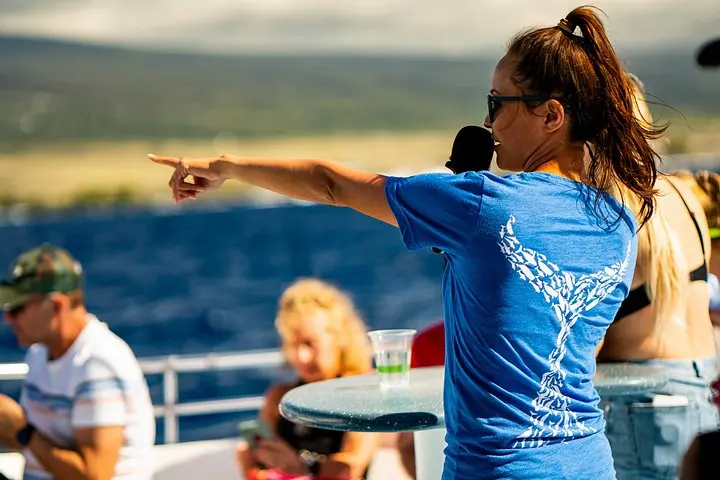
The operator’s promise is practical: sightings guaranteed or you sail again free. The boat includes light snacks, nonalcoholic beverages, and a cash bar. The crew provides live commentary—natural history, species behavior, and pointers for photos—so the trip is equal parts observation and education.
Planning tips: arrive 30 minutes before departure to check in at the Body Glove Cruises office at 75-5629 Kuakini Hwy and allow 5–7 minutes to walk to the pier; free parking is available at the office. Dress in layers—sun can be strong on deck but morning air is cool—and bring motion-sickness prevention if you’re prone. Camera settings: wider lenses capture breaches and horizon shots; burst mode helps freeze fast breaches.
Accessibility and safety are straightforward: the vessel is wheelchair-accessible with a boarding ramp and the cruise is suitable for all fitness levels, including families. Follow the crew’s instructions around marine life: never attempt to touch or swim toward animals. If you want quieter observation, request a forward-quiet zone spot when you book; the hydrophone makes the experience intimate without intruding on the whales.
For travelers who want more time on shore, combine the cruise with a stroll through historic Kailua Village, a morning at a nearby bay, or the local farmers’ market. At sea the whales bring the drama; on land, Kona’s coffee farms and coastal lava fields keep the mood grounded in place and history.
Whale season on the Big Island runs December through April, with peak activity typically January–March when breeding and calving behaviors are most visible.
This operator guarantees sightings; if whales are not seen on your cruise you are eligible for a free repeat trip—check the booking terms for availability and restrictions.
Yes—the vessel provides wheelchair-accessible boarding via a portable ramp and accessible areas on deck; indicate any wheelchair needs when booking so staff can assist.
Yes—restrooms are available and the cruise includes light snacks and nonalcoholic beverages; a cash bar serves alcoholic drinks for purchase.
If you’re susceptible, take preventive medication before boarding, sit midship on the lower deck, and focus on the horizon; ginger or pressure bands also help some travelers.
Children are welcome but must be accompanied by an adult; strollers and infant carriers are allowed, and life jackets are provided for all ages.
Body Glove Cruises operates guided outdoor trips and adventures with an emphasis on safety, stewardship, and memorable experiences.
You step off the sidewalk into trade wind air and the warm salt breath of the Pacific. The Kailua Pier is a short walk from the shopping strip, but aboard the catamaran the island feels farther away—only sea and a sky rimmed with Mauna Loa and Hualālai. Within minutes the Kona coast slips astern and the ocean widens; crests lift and fall like a crowd holding its breath.
You step off the sidewalk into trade wind air and the warm salt breath of the Pacific. The Kailua Pier is a short walk from the shopping strip, but aboard the catamaran the island feels farther away—only sea and a sky rimmed with Mauna Loa and Hualālai. Within minutes the Kona coast slips astern and the ocean widens; crests lift and fall like a crowd holding its breath.
This two-and-a-half-hour cruise runs December through April, when North Pacific humpback whales migrate into Hawaiian waters to breed and calf. Onboard a certified naturalist, you’ll move into the whales’ territory under NOAA viewing guidelines: the captain keeps a respectful distance, but the animals often edge closer. A hydrophone drops into the kelp-dark water so you can hear the low, rolling songs of males that travel across hundreds of miles—vibrations you feel as much as hear.
Geology and culture meet on this route. Kona’s lava-formed cliffs and black sand coves are recent by geologic standards, carved in the island’s explosive youth. Native Hawaiian oral histories name the kohola (humpback) as a powerful presence; modern conservation efforts restored populations after 20th-century declines, and visits now come with rules and reverence.
The operator’s promise is practical: sightings guaranteed or you sail again free. The boat includes light snacks, nonalcoholic beverages, and a cash bar. The crew provides live commentary—natural history, species behavior, and pointers for photos—so the trip is equal parts observation and education.
Planning tips: arrive 30 minutes before departure to check in at the Body Glove Cruises office at 75-5629 Kuakini Hwy and allow 5–7 minutes to walk to the pier; free parking is available at the office. Dress in layers—sun can be strong on deck but morning air is cool—and bring motion-sickness prevention if you’re prone. Camera settings: wider lenses capture breaches and horizon shots; burst mode helps freeze fast breaches.
Accessibility and safety are straightforward: the vessel is wheelchair-accessible with a boarding ramp and the cruise is suitable for all fitness levels, including families. Follow the crew’s instructions around marine life: never attempt to touch or swim toward animals. If you want quieter observation, request a forward-quiet zone spot when you book; the hydrophone makes the experience intimate without intruding on the whales.
For travelers who want more time on shore, combine the cruise with a stroll through historic Kailua Village, a morning at a nearby bay, or the local farmers’ market. At sea the whales bring the drama; on land, Kona’s coffee farms and coastal lava fields keep the mood grounded in place and history.