THE ADVENTURE COLLECTIVE® · Independent discovery and booking for outdoor travel

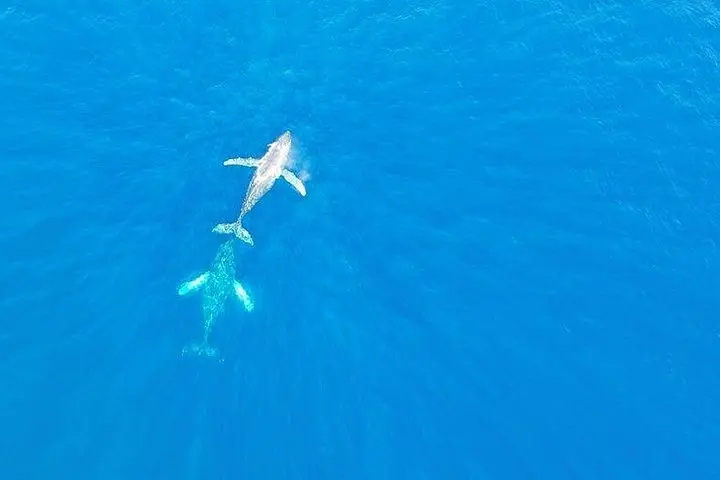
Head offshore from Kailua‑Kona during whale season to watch humpbacks breach, spout, and nurture calves in the warm Hawaiian waters. Small-group boats, local guides, and morning departures improve your chances of an intimate, educational encounter.
Head offshore from Kailua‑Kona during whale season to watch humpbacks breach, spout, and nurture calves in the warm Hawaiian waters. Small-group boats, local guides, and morning departures improve your chances of an intimate, educational encounter.
A cool, salty breeze meets the sun as the small charter eases out of Kona harbor — the shoreline shrinking into a ribbon of lava rock, the palms stilling. On a peak-season morning (December–April) the ocean can feel electric; guides scan the horizon and the boat hums forward, the sea daring you to watch for the black backs and white puffs of breath.
Verified experiences and guided adventures in the surrounding area.
Operated by Mid-Pacific Tours · Kailua-Kona, Hawaii
A cool, salty breeze meets the sun as the small charter eases out of Kona harbor — the shoreline shrinking into a ribbon of lava rock, the palms stilling. On a peak-season morning (December–April) the ocean can feel electric; guides scan the horizon and the boat hums forward, the sea daring you to watch for the black backs and white puffs of breath.
The Kona coast runs between fringing coral reefs and deep offshore trenches carved by volcanic flows from Hualālai and Mauna Loa. Humpback whales migrate here each winter to calve and teach calves to surface and sing; local crews often weave Hawaiian cultural context into their narration, explaining place names and the traditional respect shown to marine life.
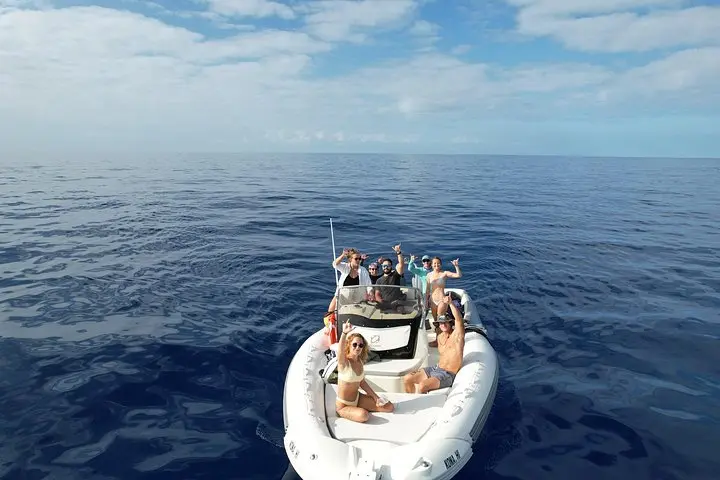
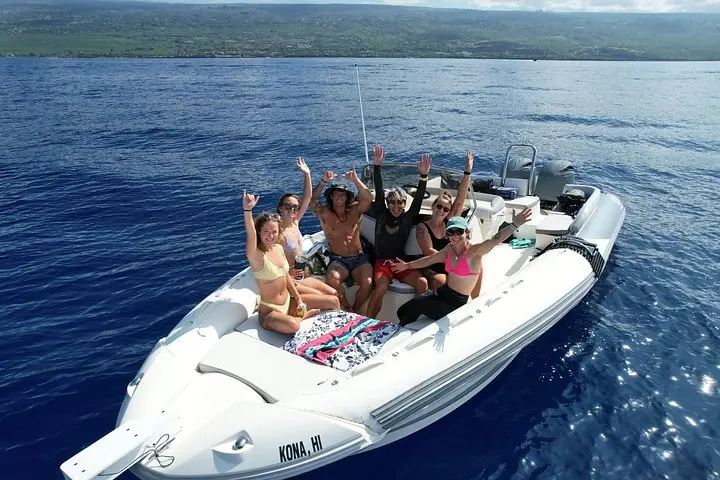
Expect close but respectful viewing on a small-group vessel: plenty of photo opportunities when whales surface or breach, plus frequent sightings of spinner dolphins and green sea turtles. The cruise gives clear sightlines to Kona landmarks and a different angle on island geology — layered lava flows running to the sea and the profile of Hualālai against the sky.
Practical notes: tours run about 2–2.5 hours, depart from the Kailua-Kona harbor area, and include bottled water and light snacks. Bring sun protection, a light wind layer, and motion-sickness remedies if you’re sensitive. Guides follow NOAA and Hawaiian state approach rules to keep encounters safe and lawful, so sightings are common but not guaranteed. Morning departures often offer calmer seas and cleaner light for photography.
Humpback whales are most commonly observed from December through April, with peak activity typically January to March.
No — sightings are frequent in season but depend on whale behavior and sea conditions; reputable operators follow approach rules and prioritize animal welfare over guarantees.
Many operators welcome families, but the tour notes recommend against travel for pregnant guests and those with certain health issues—check booking restrictions before reserving.
Light layers, non‑slip shoes, sun protection, and a wind layer for cooler mornings are ideal; avoid loose hats without straps.
Mid-Pacific Tours operates guided outdoor trips and adventures with an emphasis on safety, stewardship, and memorable experiences.
A cool, salty breeze meets the sun as the small charter eases out of Kona harbor — the shoreline shrinking into a ribbon of lava rock, the palms stilling. On a peak-season morning (December–April) the ocean can feel electric; guides scan the horizon and the boat hums forward, the sea daring you to watch for the black backs and white puffs of breath.
A cool, salty breeze meets the sun as the small charter eases out of Kona harbor — the shoreline shrinking into a ribbon of lava rock, the palms stilling. On a peak-season morning (December–April) the ocean can feel electric; guides scan the horizon and the boat hums forward, the sea daring you to watch for the black backs and white puffs of breath.
The Kona coast runs between fringing coral reefs and deep offshore trenches carved by volcanic flows from Hualālai and Mauna Loa. Humpback whales migrate here each winter to calve and teach calves to surface and sing; local crews often weave Hawaiian cultural context into their narration, explaining place names and the traditional respect shown to marine life.
Expect close but respectful viewing on a small-group vessel: plenty of photo opportunities when whales surface or breach, plus frequent sightings of spinner dolphins and green sea turtles. The cruise gives clear sightlines to Kona landmarks and a different angle on island geology — layered lava flows running to the sea and the profile of Hualālai against the sky.
Practical notes: tours run about 2–2.5 hours, depart from the Kailua-Kona harbor area, and include bottled water and light snacks. Bring sun protection, a light wind layer, and motion-sickness remedies if you’re sensitive. Guides follow NOAA and Hawaiian state approach rules to keep encounters safe and lawful, so sightings are common but not guaranteed. Morning departures often offer calmer seas and cleaner light for photography.