THE ADVENTURE COLLECTIVE® · Independent discovery and booking for outdoor travel

Float through basalt canyons and paddle under Tutea Falls on a grade-5 Kaituna River run from Rotorua. This high-adrenaline hour combines technical rapids, native bush scenery, and a post-trip sauna to warm you right back up.
Float through basalt canyons and paddle under Tutea Falls on a grade-5 Kaituna River run from Rotorua. This high-adrenaline hour combines technical rapids, native bush scenery, and a post-trip sauna to warm you right back up.
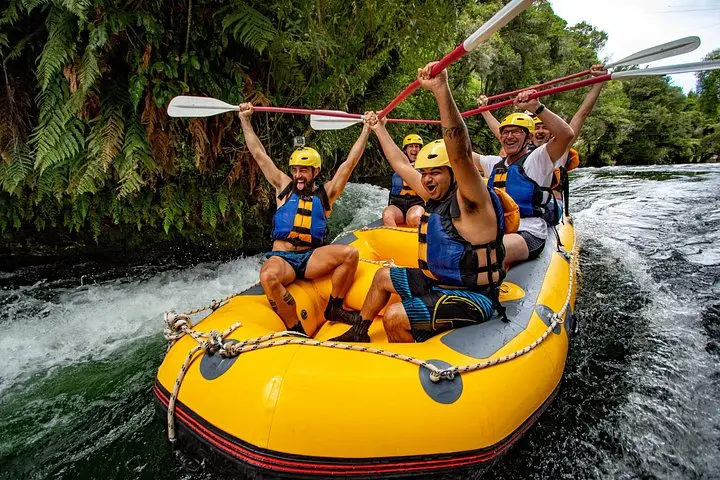
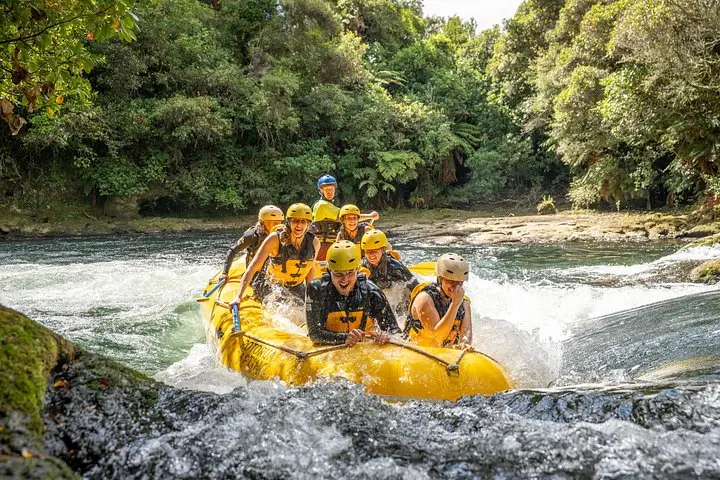
You step onto the river rim and the Kaituna announces itself: a narrow ribbon of water gone loud, cutting through basalt canyons and pockets of subtropical bush. The air tastes clean with spray and something green — manuka and nikau — and below, the raft bobs like a coin daring the current. Within minutes you’re committed: paddles in sync, the guide’s voice clipped, and the raft surges toward bedrock gorges and a handful of clean, cathedral-like drops.
Verified experiences and guided adventures in the surrounding area.
Operated by Rotorua Rafting · Rotorua, Bay of Plenty
You step onto the river rim and the Kaituna announces itself: a narrow ribbon of water gone loud, cutting through basalt canyons and pockets of subtropical bush. The air tastes clean with spray and something green — manuka and nikau — and below, the raft bobs like a coin daring the current. Within minutes you’re committed: paddles in sync, the guide’s voice clipped, and the raft surges toward bedrock gorges and a handful of clean, cathedral-like drops.
This stretch of the Kaituna, near Okere Falls east of Rotorua, carries both geological muscle and cultural weight. The river has carved its channel through ignimbrite and river gravels left by volcanic eruptions from nearby Tarawera and other cones, producing steep-sided canyons and narrow chutes that concentrate flow into the tough white-water that commercial rafters chase. For local iwi, waterways are taonga — life-giving corridors with stories and food sources — and many names and places along the river still reflect that connection.
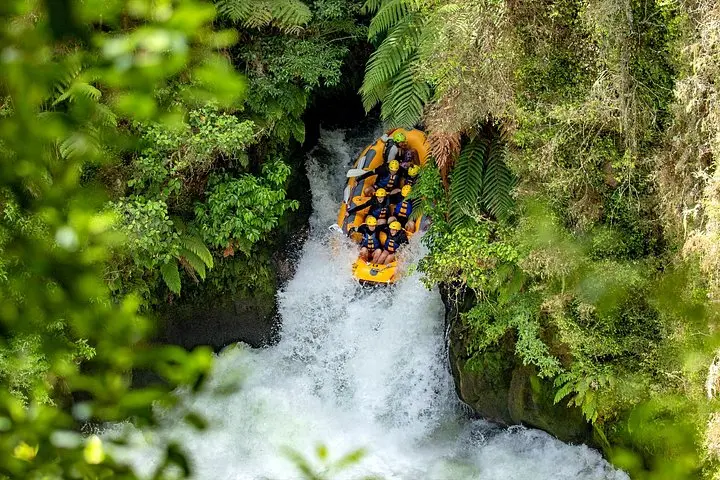
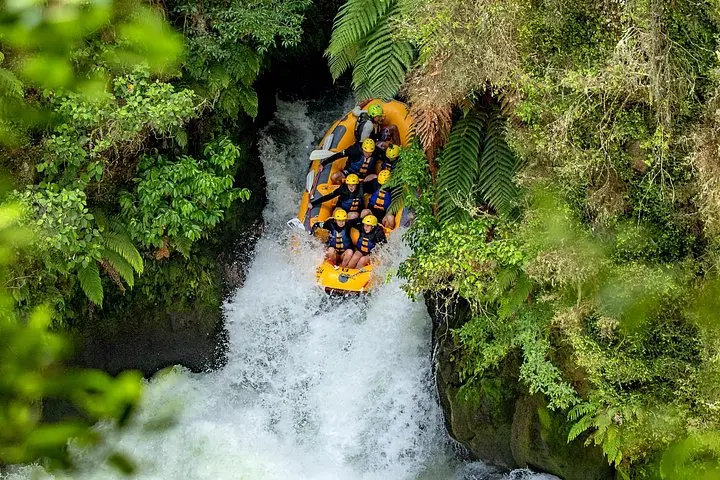
The headline here is Tutea Falls: a 7-metre (23-foot) drop that holds the record as the highest waterfall commercially rafted. It’s the climax, but the run is sustained action — technical rapids, tight corners, and warm summer water that can reach 25°C — rated grade 5 in operator materials. Guides set the cadence, coaxing every raft through features that demand attention and teamwork.
Practicalities are straightforward. The full experience runs about 150 minutes from base to finish with roughly an hour on the river; allow two hours. Minimum age is 10 (10–12-year-olds join a half-river experience), and there’s a 130kg weight limit. Rotorua Rafting provides wetsuit, helmet, booties, buoyancy aid and paddle; showers, free sauna and ride transfers from Rotorua are available if prebooked. Expect a safety briefing, guided paddle instruction, and a photographer capturing the big moments.
Plan your visit for morning departures to avoid crowds and catch cleaner light on the canyon walls. Bring a small dry bag for valuables left at base, a change of clothes and a hearty appetite — the sauna afterward is a welcome reset. If you’re new to white-water, the guides will coach you, but be honest about your fitness and swimming comfort: this run is action-packed and intentional.
Kaituna rafting is about controlled risk — engineered safety around wild water — and the reward is immediate: plunges, spray on your face, and the improbable sight of a raft threading under a waterfall. If you want an hour that feels earned and elemental, this is the Rotorua experience that most delivers it.
Yes—guides coach all rafters and there’s a shorter half-river option for younger participants, but the river includes grade 5 sections so honest assessment of fitness and comfort in water is important.
Minimum age is 10; 10–12 year olds join the half-river experience. The weight limit is 130kg.
Wetsuit, helmet, neoprene booties, buoyancy aid and paddle are all supplied, plus showers and a free sauna after the trip.
About one hour on the river with a total booking time of roughly 150 minutes including briefing and debrief.
Yes, transfers can be prebooked at least 24 hours in advance for a fee (about NZD 15 per person) — call the operator to arrange.
The operator may cancel or alter the trip for safety; you’ll receive a refund with at least 24 hours notice, and they may curtail runs if conditions are unsafe.
Rotorua Rafting operates guided outdoor trips and adventures with an emphasis on safety, stewardship, and memorable experiences.
You step onto the river rim and the Kaituna announces itself: a narrow ribbon of water gone loud, cutting through basalt canyons and pockets of subtropical bush. The air tastes clean with spray and something green — manuka and nikau — and below, the raft bobs like a coin daring the current. Within minutes you’re committed: paddles in sync, the guide’s voice clipped, and the raft surges toward bedrock gorges and a handful of clean, cathedral-like drops.
You step onto the river rim and the Kaituna announces itself: a narrow ribbon of water gone loud, cutting through basalt canyons and pockets of subtropical bush. The air tastes clean with spray and something green — manuka and nikau — and below, the raft bobs like a coin daring the current. Within minutes you’re committed: paddles in sync, the guide’s voice clipped, and the raft surges toward bedrock gorges and a handful of clean, cathedral-like drops.
This stretch of the Kaituna, near Okere Falls east of Rotorua, carries both geological muscle and cultural weight. The river has carved its channel through ignimbrite and river gravels left by volcanic eruptions from nearby Tarawera and other cones, producing steep-sided canyons and narrow chutes that concentrate flow into the tough white-water that commercial rafters chase. For local iwi, waterways are taonga — life-giving corridors with stories and food sources — and many names and places along the river still reflect that connection.
The headline here is Tutea Falls: a 7-metre (23-foot) drop that holds the record as the highest waterfall commercially rafted. It’s the climax, but the run is sustained action — technical rapids, tight corners, and warm summer water that can reach 25°C — rated grade 5 in operator materials. Guides set the cadence, coaxing every raft through features that demand attention and teamwork.
Practicalities are straightforward. The full experience runs about 150 minutes from base to finish with roughly an hour on the river; allow two hours. Minimum age is 10 (10–12-year-olds join a half-river experience), and there’s a 130kg weight limit. Rotorua Rafting provides wetsuit, helmet, booties, buoyancy aid and paddle; showers, free sauna and ride transfers from Rotorua are available if prebooked. Expect a safety briefing, guided paddle instruction, and a photographer capturing the big moments.
Plan your visit for morning departures to avoid crowds and catch cleaner light on the canyon walls. Bring a small dry bag for valuables left at base, a change of clothes and a hearty appetite — the sauna afterward is a welcome reset. If you’re new to white-water, the guides will coach you, but be honest about your fitness and swimming comfort: this run is action-packed and intentional.
Kaituna rafting is about controlled risk — engineered safety around wild water — and the reward is immediate: plunges, spray on your face, and the improbable sight of a raft threading under a waterfall. If you want an hour that feels earned and elemental, this is the Rotorua experience that most delivers it.