THE ADVENTURE COLLECTIVE® · Independent discovery and booking for outdoor travel

A five‑day loop from Darwin through Kakadu, Arnhem Land, Nitmiluk and Litchfield that blends guided cultural access, crocodile‑spotting wetland cruises, waterfall swims and gorge exploration. Ideal in the dry season, this trip balances active walks with rare First Nations experiences.
A five‑day loop from Darwin through Kakadu, Arnhem Land, Nitmiluk and Litchfield that blends guided cultural access, crocodile‑spotting wetland cruises, waterfall swims and gorge exploration. Ideal in the dry season, this trip balances active walks with rare First Nations experiences.
You step off the bus before sunrise and the Top End unfolds: a low, humid breath, red earth staining the shoes, and a horizon sliced by escarpments that look older than language. The first morning here is ceremonial—Limilngan‑Wulna hosts offer a Cul Cul welcome and the didgeridoo’s drone seems to wake the wetlands. By noon the Corroboree Billabong is a glass world of waterbirds and crocodile ripples, while Cahill’s Crossing dares the 4WD and the East Alligator River watches, old and patient.
Verified experiences and guided adventures in the surrounding area.
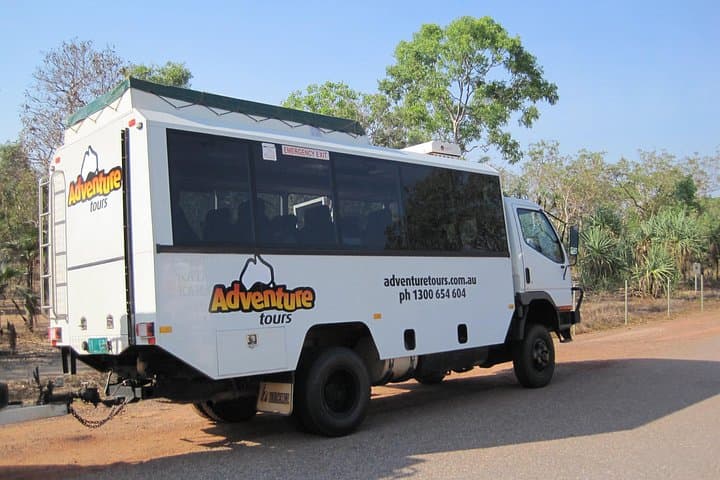
Operated by Adventure Tours Australia · Darwin, Northern Territory
You step off the bus before sunrise and the Top End unfolds: a low, humid breath, red earth staining the shoes, and a horizon sliced by escarpments that look older than language. The first morning here is ceremonial—Limilngan‑Wulna hosts offer a Cul Cul welcome and the didgeridoo’s drone seems to wake the wetlands. By noon the Corroboree Billabong is a glass world of waterbirds and crocodile ripples, while Cahill’s Crossing dares the 4WD and the East Alligator River watches, old and patient.
This five‑day circuit stitches together the region’s geological and cultural chapters. Kakadu’s plateaus are weathered sandstone—cliffs, plunge pools and gorges carved by millennia of wet and dry seasons. Here you’ll find rock art panels at Anbangbang and other sites that record Creation-era stories and movement across country; those paintings are living maps maintained by Mirarr, Djok and other Bininj families. Arnhem Land access on this itinerary is regulated and guided by Traditional Owners, so encounters with Bininj knowledge-keepers are both rare and regionally specific.
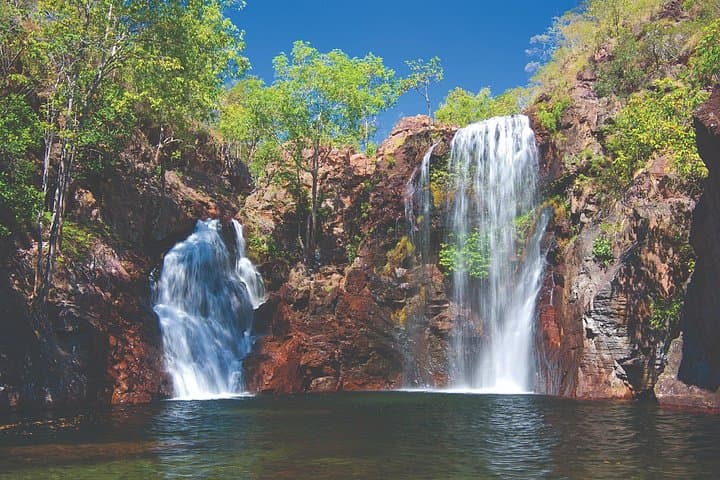
The itinerary moves with intention: a croc‑lined cruise on Mary River wetlands; a boulder scramble and swim beneath Jim Jim Falls (expect variable walking over rock and up to a few hundred metres of elevation change on approaches); the reward of Gunlom’s high plunge pool and its sweeping views; the polished plunge pools of Maguk; the deep, ochre‑walled Nitmiluk (Katherine) Gorge; and the swimming holes of Litchfield—Florence, Wangi and Bluey Rockholes—each with its own current and personality.
Practicalities matter here. The dry season (May–October) is the operational window: roads open, flies thin, and long days let you move between parks. In the wet season, many tracks and crossings close—rivers take back their land and the falls are wild but often unreachable.
Bring a sturdy pair of boots for slippery boulders, a dry bag for camera gear, and a hat that will actually shade your neck. Respect crocodile signage: swimming is permitted only in designated pools and at your own risk where advised. Arnhem Land travel is guided and may include restricted sites—ask questions, listen to custodians, and follow all cultural rules.
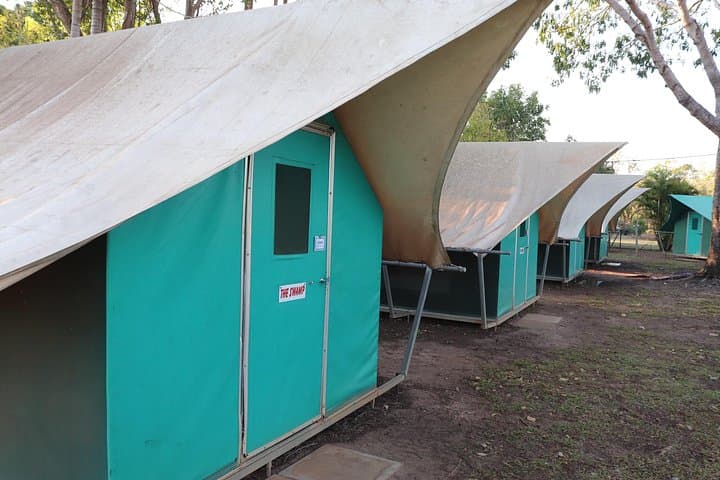
Logistics are straightforward: the tour starts and ends in Darwin with included meals and powered tent accommodation. Fitness requirements are moderate—expect multi‑hour days with short, steep scrambles and rock hopping. For photographers, the late afternoon light on escarpments and the early morning stillness on the billabong make the best frames.
This trip compresses the Top End’s contrasts—open wetlands that keep their own rhythms, red rock that remembers rain, and the cultural continuity of the people who steward it. Travel here with curiosity and care, and the landscape will repay you with sudden, elemental moments: a waterfall you can stand beneath, a story told at dusk, a river that refuses to hurry.
The dry season (May–October) is best—roads and crossings are open, waterfalls are accessible, and flies are less intense; many sites close or become unsafe during the wet season (November–April).
Yes—saltwater crocodiles inhabit rivers and some billabongs. The operator only allows swimming in designated, monitored pools; always obey guides and signage.
This itinerary includes guided, permitted access to Arnhem Land sites. Travelers do not need separate permits, but must follow all cultural protocols set by Traditional Owners and guides.
Moderate fitness is required: expect several hours of walking, rock hopping and short steep climbs; participants should be steady on unstable terrain.
Accommodation is in permanent, powered tents with shared facilities for three nights and basic camping-style lodging on other nights as described in the itinerary.
Yes—there is an optional scenic flight over Kakadu offered on day two at additional cost; book locally if you want to add aerial views.
Adventure Tours Australia operates guided outdoor trips and adventures with an emphasis on safety, stewardship, and memorable experiences.
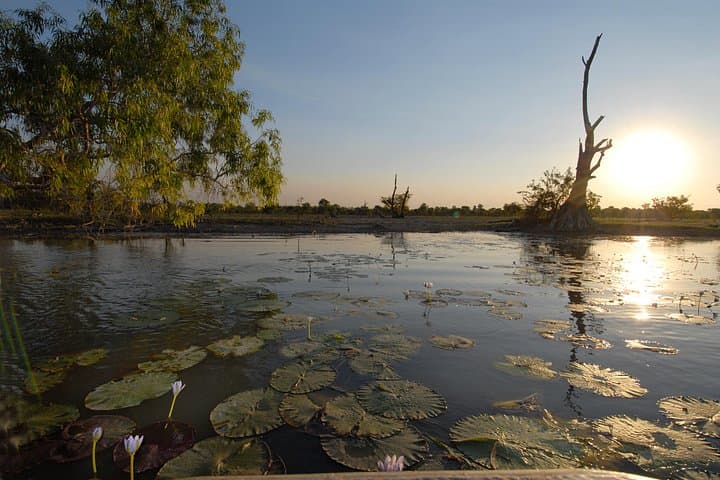
You step off the bus before sunrise and the Top End unfolds: a low, humid breath, red earth staining the shoes, and a horizon sliced by escarpments that look older than language. The first morning here is ceremonial—Limilngan‑Wulna hosts offer a Cul Cul welcome and the didgeridoo’s drone seems to wake the wetlands. By noon the Corroboree Billabong is a glass world of waterbirds and crocodile ripples, while Cahill’s Crossing dares the 4WD and the East Alligator River watches, old and patient.
You step off the bus before sunrise and the Top End unfolds: a low, humid breath, red earth staining the shoes, and a horizon sliced by escarpments that look older than language. The first morning here is ceremonial—Limilngan‑Wulna hosts offer a Cul Cul welcome and the didgeridoo’s drone seems to wake the wetlands. By noon the Corroboree Billabong is a glass world of waterbirds and crocodile ripples, while Cahill’s Crossing dares the 4WD and the East Alligator River watches, old and patient.
This five‑day circuit stitches together the region’s geological and cultural chapters. Kakadu’s plateaus are weathered sandstone—cliffs, plunge pools and gorges carved by millennia of wet and dry seasons. Here you’ll find rock art panels at Anbangbang and other sites that record Creation-era stories and movement across country; those paintings are living maps maintained by Mirarr, Djok and other Bininj families. Arnhem Land access on this itinerary is regulated and guided by Traditional Owners, so encounters with Bininj knowledge-keepers are both rare and regionally specific.
The itinerary moves with intention: a croc‑lined cruise on Mary River wetlands; a boulder scramble and swim beneath Jim Jim Falls (expect variable walking over rock and up to a few hundred metres of elevation change on approaches); the reward of Gunlom’s high plunge pool and its sweeping views; the polished plunge pools of Maguk; the deep, ochre‑walled Nitmiluk (Katherine) Gorge; and the swimming holes of Litchfield—Florence, Wangi and Bluey Rockholes—each with its own current and personality.
Practicalities matter here. The dry season (May–October) is the operational window: roads open, flies thin, and long days let you move between parks. In the wet season, many tracks and crossings close—rivers take back their land and the falls are wild but often unreachable.
Bring a sturdy pair of boots for slippery boulders, a dry bag for camera gear, and a hat that will actually shade your neck. Respect crocodile signage: swimming is permitted only in designated pools and at your own risk where advised. Arnhem Land travel is guided and may include restricted sites—ask questions, listen to custodians, and follow all cultural rules.
Logistics are straightforward: the tour starts and ends in Darwin with included meals and powered tent accommodation. Fitness requirements are moderate—expect multi‑hour days with short, steep scrambles and rock hopping. For photographers, the late afternoon light on escarpments and the early morning stillness on the billabong make the best frames.
This trip compresses the Top End’s contrasts—open wetlands that keep their own rhythms, red rock that remembers rain, and the cultural continuity of the people who steward it. Travel here with curiosity and care, and the landscape will repay you with sudden, elemental moments: a waterfall you can stand beneath, a story told at dusk, a river that refuses to hurry.