THE ADVENTURE COLLECTIVE® · Independent discovery and booking for outdoor travel

Experience Ghana’s rainforest from 100 feet up on the Kakum canopy walkway, then confront coastal history at Cape Coast Castle. This full-day journey blends wildlife viewing with powerful historical interpretation.
Experience Ghana’s rainforest from 100 feet up on the Kakum canopy walkway, then confront coastal history at Cape Coast Castle. This full-day journey blends wildlife viewing with powerful historical interpretation.
You step onto a swaying plank and the forest releases itself beneath you—humid air, distant bird calls, and the slow, deliberate movements of canopy life. The Kakum canopy walkway hangs roughly 100 feet above the ground, offering a bird’s-eye corridor through a remnant of the West African rainforest while the Atlantic glints on the horizon some miles away.
Verified experiences and guided adventures in the surrounding area.
Operated by Hausa Tours · Cape Coast, Central Region
You step onto a swaying plank and the forest releases itself beneath you—humid air, distant bird calls, and the slow, deliberate movements of canopy life. The Kakum canopy walkway hangs roughly 100 feet above the ground, offering a bird’s-eye corridor through a remnant of the West African rainforest while the Atlantic glints on the horizon some miles away.
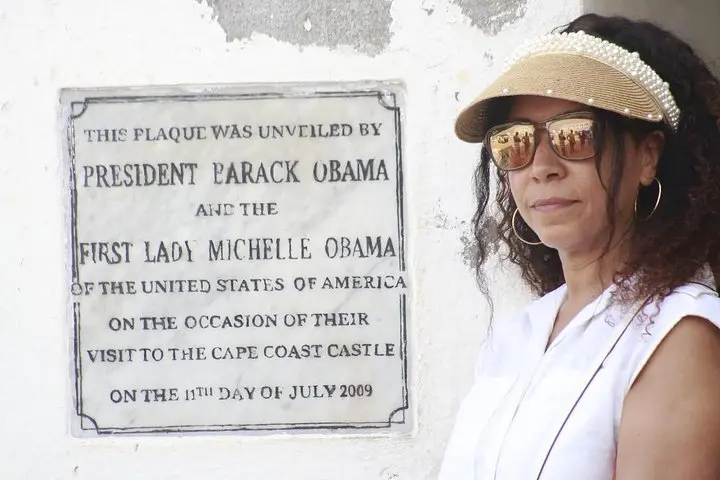
The walk pairs visceral nature with sober history. Kakum sits within the once-extensive Guinea Rainforest; its soils and folded stream valleys hold species used for generations in herbal remedies. Hours later at Cape Coast Castle, stone walls and narrow dungeons map the colonial and transatlantic slave trade—the castle now houses the West African Historical Museum and guided narratives that confront that past directly.
Geologically the region is a low-lying coastal plain cut by streams and lateritic soils; trails alternate packed earth and boardwalks, which get slippery in rain. Culturally, the nearby Fante towns are fishing and market centers where chieftaincy and coastal trading history remain visible in daily life.
Practical notes: this is a full day—expect 8–10 hours including a 2.5–3.5 hour drive from Accra. Wear grippy shoes, bring insect repellent and water, and plan the canopy segment for cooler morning hours when birds are most active. Respect museum rules, photography limits, and local customs at sacred spots. If you have spinal or heart issues, the canopy’s height and sustained walking mean you should consult a physician; guides provide context on flora, fauna, and cultural uses as you move between forest and coast.
The Kakum canopy walkway spans roughly 100 feet (about 30 meters) above the forest floor and consists of multiple suspension bridges and platforms for panoramic views.
Yes, older children can learn from guided tours, but the dungeon areas are cramped and emotionally intense—use your judgment and follow guide advice.
Expect approximately 2.5–3.5 hours each way depending on traffic; the full tour is typically 8–10 hours including stops.
The canopy walkway involves narrow bridges and steps; it’s not recommended for travelers with serious spinal, heart, or mobility issues.
Hausa Tours operates guided outdoor trips and adventures with an emphasis on safety, stewardship, and memorable experiences.
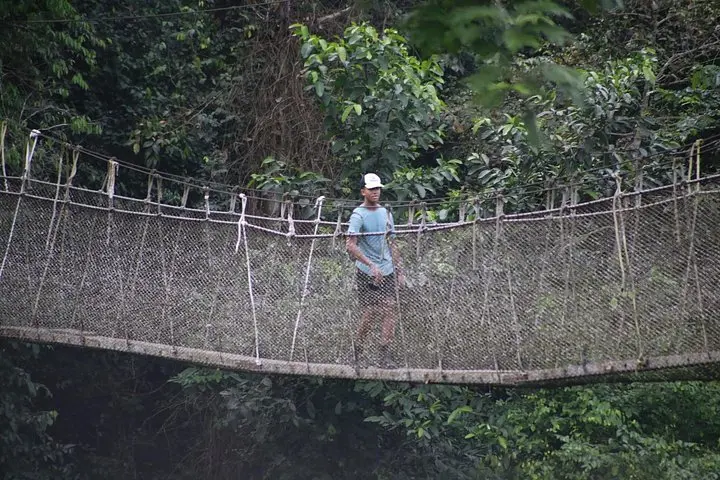
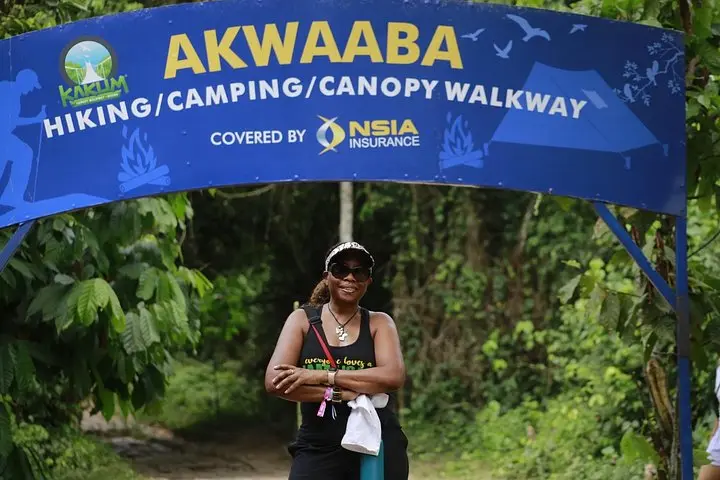
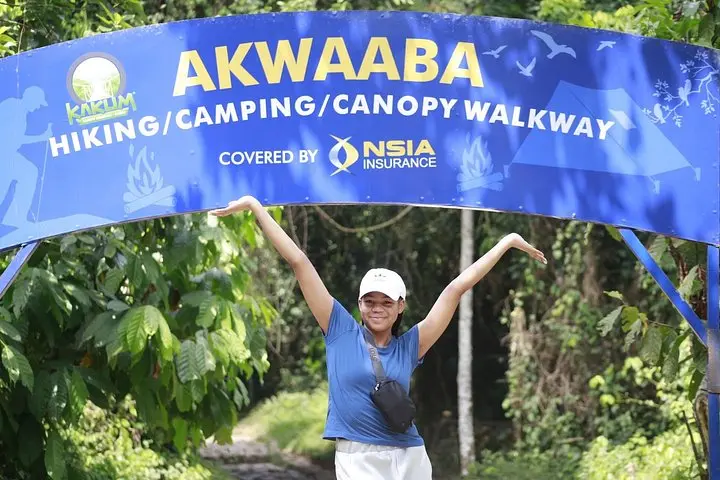
You step onto a swaying plank and the forest releases itself beneath you—humid air, distant bird calls, and the slow, deliberate movements of canopy life. The Kakum canopy walkway hangs roughly 100 feet above the ground, offering a bird’s-eye corridor through a remnant of the West African rainforest while the Atlantic glints on the horizon some miles away.
You step onto a swaying plank and the forest releases itself beneath you—humid air, distant bird calls, and the slow, deliberate movements of canopy life. The Kakum canopy walkway hangs roughly 100 feet above the ground, offering a bird’s-eye corridor through a remnant of the West African rainforest while the Atlantic glints on the horizon some miles away.
The walk pairs visceral nature with sober history. Kakum sits within the once-extensive Guinea Rainforest; its soils and folded stream valleys hold species used for generations in herbal remedies. Hours later at Cape Coast Castle, stone walls and narrow dungeons map the colonial and transatlantic slave trade—the castle now houses the West African Historical Museum and guided narratives that confront that past directly.
Geologically the region is a low-lying coastal plain cut by streams and lateritic soils; trails alternate packed earth and boardwalks, which get slippery in rain. Culturally, the nearby Fante towns are fishing and market centers where chieftaincy and coastal trading history remain visible in daily life.
Practical notes: this is a full day—expect 8–10 hours including a 2.5–3.5 hour drive from Accra. Wear grippy shoes, bring insect repellent and water, and plan the canopy segment for cooler morning hours when birds are most active. Respect museum rules, photography limits, and local customs at sacred spots. If you have spinal or heart issues, the canopy’s height and sustained walking mean you should consult a physician; guides provide context on flora, fauna, and cultural uses as you move between forest and coast.