THE ADVENTURE COLLECTIVE® · Independent discovery and booking for outdoor travel

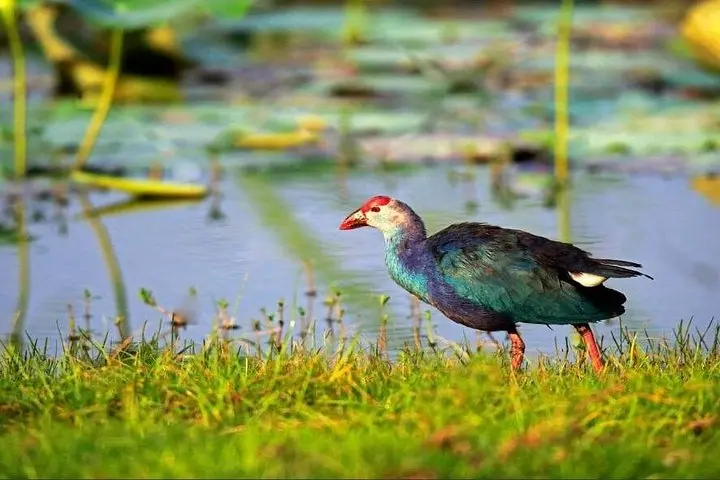
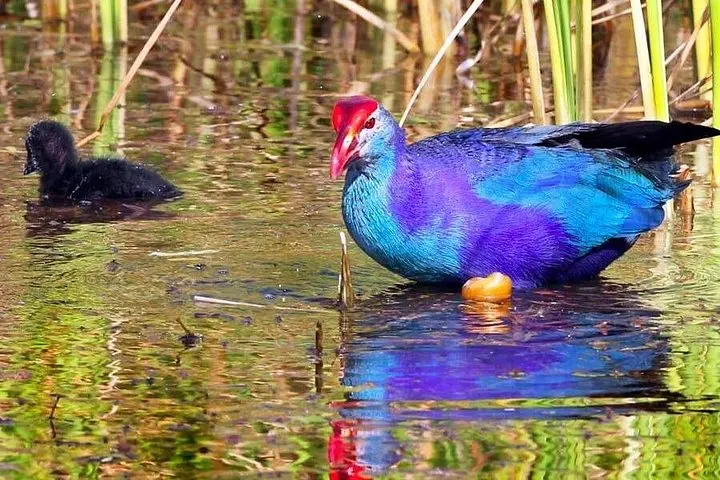
Glide by mangroves and sandbars on a private catamaran through Kalametiya Bird Sanctuary. This 3–5 hour tour pairs quiet wildlife viewing with optional paddling—ideal for photographers and birders seeking close views of coastal species.
Glide by mangroves and sandbars on a private catamaran through Kalametiya Bird Sanctuary. This 3–5 hour tour pairs quiet wildlife viewing with optional paddling—ideal for photographers and birders seeking close views of coastal species.
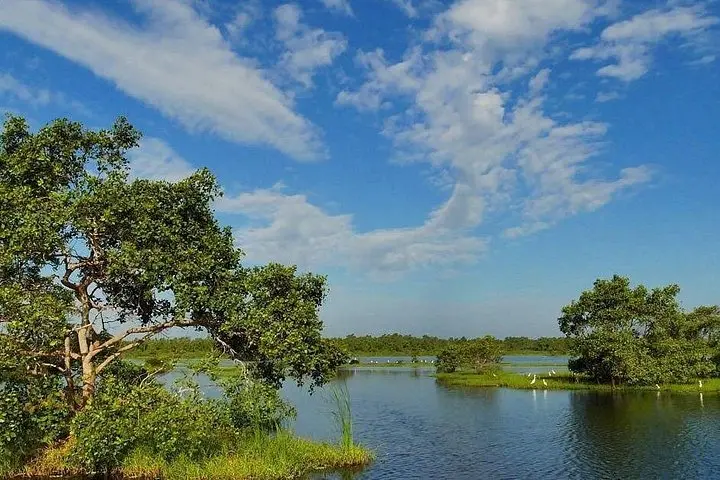
They push off from a low muddy bank where mangrove roots braid the water’s edge, and the catamaran settles into the slow breath of Kalametiya’s tidal lagoon.
Verified experiences and guided adventures in the surrounding area.
Operated by Sigiritrip Tours · Kalametiya, Southern Province
They push off from a low muddy bank where mangrove roots braid the water’s edge, and the catamaran settles into the slow breath of Kalametiya’s tidal lagoon.
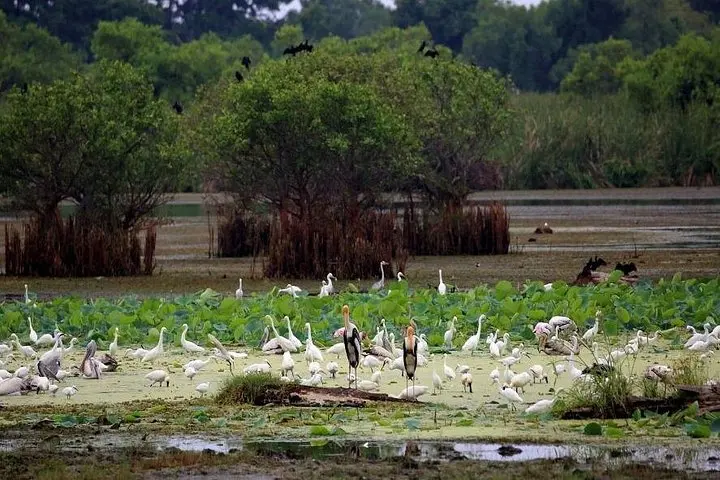
Reed islands drift past like moving islets; painted storks quarter the flats with deliberate wingbeats while cormorants flicker at the surface. The guide keeps the motor low—sometimes switching to paddles—letting birds and salt-scented wind set the pace. You’ll move through a working mosaic of mangrove, shallow lagoon and sandbar where migrating waders congregate between November and March.
Kalametiya’s wetlands formed where alluvial fans meet coastal dunes; centuries of fishers, coconut growers and small villages shaped a landscape now recognized for its birdlife. The sanctuary protects resident and migratory species that ride the Central Asian flyway, and local culture still orients around seasonal fishing and coconut harvesting.
Practically: tours last about 3–5 hours including transfers, run from sunrise into the morning or late afternoon for cooler light, and are private—ideal for focused photography or families. Expect easy terrain on the boat but a bumpy road to launch in places. Bring sun protection, a light waterproof layer for spray, insect repellent and binoculars. Hydrate before you go; bottled water is usually provided. If you opt to paddle, basic paddling ability helps but isn’t required—the crew manages safety.
Plan around tides and heat—early mornings give both the best light and the most active birds. Respect roosting areas, keep noise low, and follow your guide’s instructions to minimize disturbance. The reward is close encounters with coastal species in a living wetland that still feels remote from the southern coast’s busier beaches.
Tours run approximately 3–5 hours total; advertised duration typically includes travel time to and from nearby hotels.
Paddling is optional; the crew can switch to paddles for quieter sections, but it’s not mandatory for passengers.
Peak migrant numbers are usually from November to March when Central Asian and East Asian species pass through or winter.
Children are welcome and infant seats can be arranged; service animals are permitted but pets are generally discouraged on wildlife-focused trips.
Sigiritrip Tours operates guided outdoor trips and adventures with an emphasis on safety, stewardship, and memorable experiences.
They push off from a low muddy bank where mangrove roots braid the water’s edge, and the catamaran settles into the slow breath of Kalametiya’s tidal lagoon.
They push off from a low muddy bank where mangrove roots braid the water’s edge, and the catamaran settles into the slow breath of Kalametiya’s tidal lagoon.
Reed islands drift past like moving islets; painted storks quarter the flats with deliberate wingbeats while cormorants flicker at the surface. The guide keeps the motor low—sometimes switching to paddles—letting birds and salt-scented wind set the pace. You’ll move through a working mosaic of mangrove, shallow lagoon and sandbar where migrating waders congregate between November and March.
Kalametiya’s wetlands formed where alluvial fans meet coastal dunes; centuries of fishers, coconut growers and small villages shaped a landscape now recognized for its birdlife. The sanctuary protects resident and migratory species that ride the Central Asian flyway, and local culture still orients around seasonal fishing and coconut harvesting.
Practically: tours last about 3–5 hours including transfers, run from sunrise into the morning or late afternoon for cooler light, and are private—ideal for focused photography or families. Expect easy terrain on the boat but a bumpy road to launch in places. Bring sun protection, a light waterproof layer for spray, insect repellent and binoculars. Hydrate before you go; bottled water is usually provided. If you opt to paddle, basic paddling ability helps but isn’t required—the crew manages safety.
Plan around tides and heat—early mornings give both the best light and the most active birds. Respect roosting areas, keep noise low, and follow your guide’s instructions to minimize disturbance. The reward is close encounters with coastal species in a living wetland that still feels remote from the southern coast’s busier beaches.