THE ADVENTURE COLLECTIVE® · Independent discovery and booking for outdoor travel

Leave Islamabad for a ten-day cultural circuit into Chitral and the Kalasha valleys — where highland meadows, distinct traditions, and ancient graveyards reveal a different Pakistan. This guided journey pairs village homestays with scenic drives over the Hindu Kush.
Leave Islamabad for a ten-day cultural circuit into Chitral and the Kalasha valleys — where highland meadows, distinct traditions, and ancient graveyards reveal a different Pakistan. This guided journey pairs village homestays with scenic drives over the Hindu Kush.
Morning light slices the Hindu Kush as a convoy leaves Islamabad, the road easing from motorway hum into a thinner, highland silence.
Verified experiences and guided adventures in the surrounding area.
Operated by Harappa Tour & Travel · Chitral, Khyber Pakhtunkhwa
Morning light slices the Hindu Kush as a convoy leaves Islamabad, the road easing from motorway hum into a thinner, highland silence.
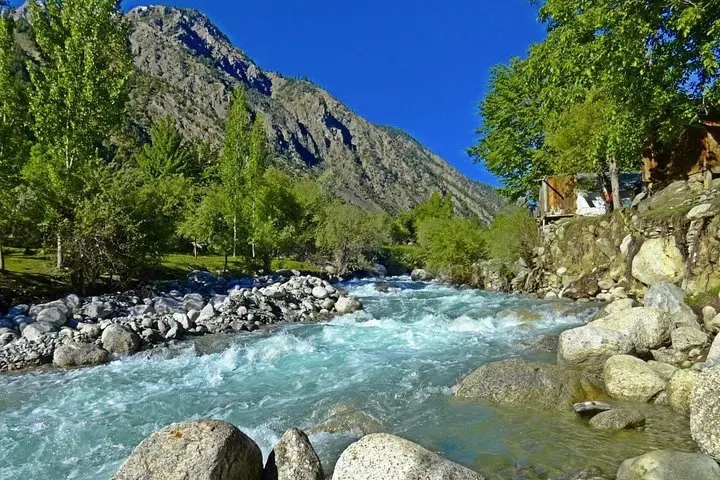
This ten-day circuit threads through Chitral, the Kalasha valleys (Bumburet, Rumbur, and Birir) and Kumrat, placing visitors in a rarely seen cultural landscape where terrace fields, carved wooden homes, and ancient graveyards mark a way of life. Geologically the route crosses young, rugged ranges — folded sedimentary ridges and glacial-scoured valleys — that create sudden meadows like Qaqlasht and steep river gorges that have directed human routes for centuries.
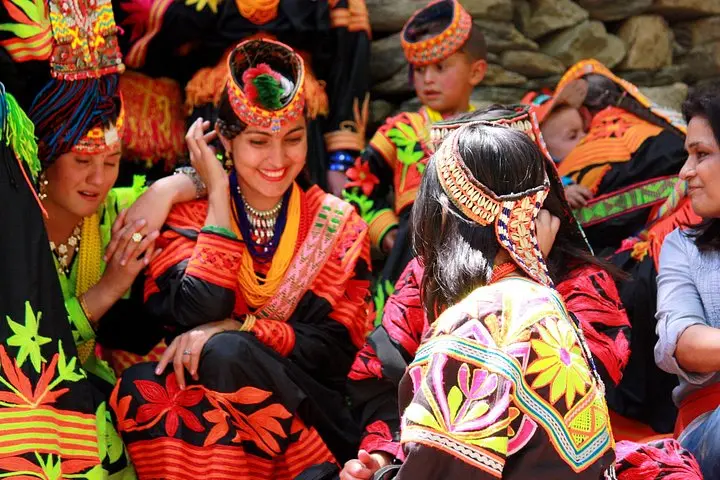
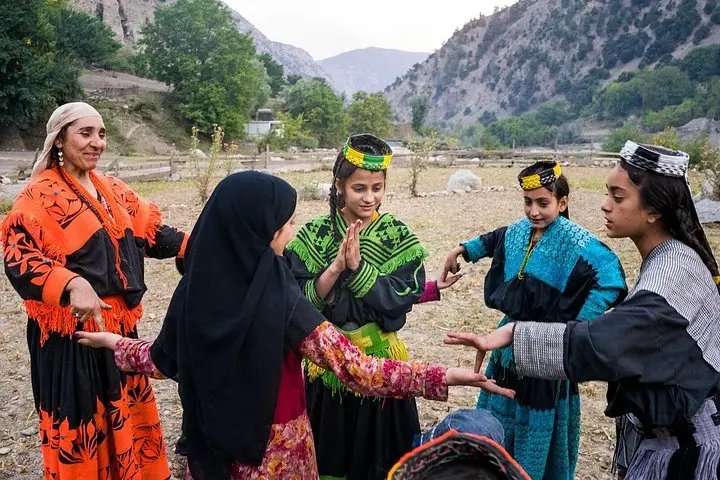
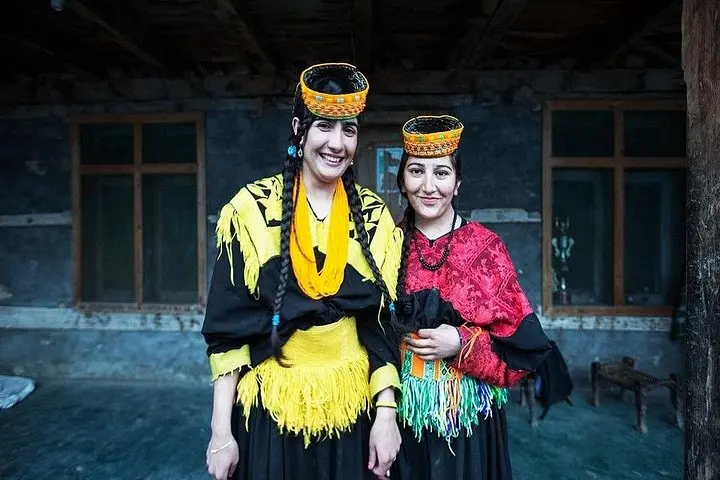
The Kalash people maintain distinct language, dress, and seasonal rituals tied to agricultural rhythms; shrines and ceremonial halls offer an immediate window into belief systems that stood apart even during larger regional shifts. Chitral Fort and traditional polo grounds remind travelers that this corridor was a crossroads on the Marco Polo route and a buffer between empires.
Practically, expect long drives on paved motorways and narrower mountain roads, short village walks, and periods of rest in simple guest houses or glamping tents. Days start early with fieldwork observed rather than interrupted; a local guide interprets customs and arranges homestays. Bring layered clothing for sun and sharp evening drops, sturdy shoes for uneven village tracks, and a camera with spare batteries — power can be intermittent. Hydrate on the move and respect local photography norms. With preparation, this trip balances immersive cultural exchange and straightforward mountain travel, delivering both context and quiet alpine scenery.
No special permits are generally required for tourists, but check local travel advisories and carry valid ID and passport details.
The tour is suitable for most fitness levels; expect short walks on uneven ground but no technical hiking.
Meals listed in the itinerary (breakfast, lunch, dinner) are included; accommodation alternates between hotels, guest houses, and basic homestays.
Late spring through early autumn (May–September) offers the most stable weather and active village life.
Harappa Tour & Travel operates guided outdoor trips and adventures with an emphasis on safety, stewardship, and memorable experiences.
Morning light slices the Hindu Kush as a convoy leaves Islamabad, the road easing from motorway hum into a thinner, highland silence.
Morning light slices the Hindu Kush as a convoy leaves Islamabad, the road easing from motorway hum into a thinner, highland silence.
This ten-day circuit threads through Chitral, the Kalasha valleys (Bumburet, Rumbur, and Birir) and Kumrat, placing visitors in a rarely seen cultural landscape where terrace fields, carved wooden homes, and ancient graveyards mark a way of life. Geologically the route crosses young, rugged ranges — folded sedimentary ridges and glacial-scoured valleys — that create sudden meadows like Qaqlasht and steep river gorges that have directed human routes for centuries.
The Kalash people maintain distinct language, dress, and seasonal rituals tied to agricultural rhythms; shrines and ceremonial halls offer an immediate window into belief systems that stood apart even during larger regional shifts. Chitral Fort and traditional polo grounds remind travelers that this corridor was a crossroads on the Marco Polo route and a buffer between empires.
Practically, expect long drives on paved motorways and narrower mountain roads, short village walks, and periods of rest in simple guest houses or glamping tents. Days start early with fieldwork observed rather than interrupted; a local guide interprets customs and arranges homestays. Bring layered clothing for sun and sharp evening drops, sturdy shoes for uneven village tracks, and a camera with spare batteries — power can be intermittent. Hydrate on the move and respect local photography norms. With preparation, this trip balances immersive cultural exchange and straightforward mountain travel, delivering both context and quiet alpine scenery.