THE ADVENTURE COLLECTIVE® · Independent discovery and booking for outdoor travel

Walk from Kalaw to Inle over two days, passing rarely visited Shan villages, working terraces, and reed channels that feed the great lake. This homestay trek trades crowds for authentic encounters and changing highland scenery.
Walk from Kalaw to Inle over two days, passing rarely visited Shan villages, working terraces, and reed channels that feed the great lake. This homestay trek trades crowds for authentic encounters and changing highland scenery.
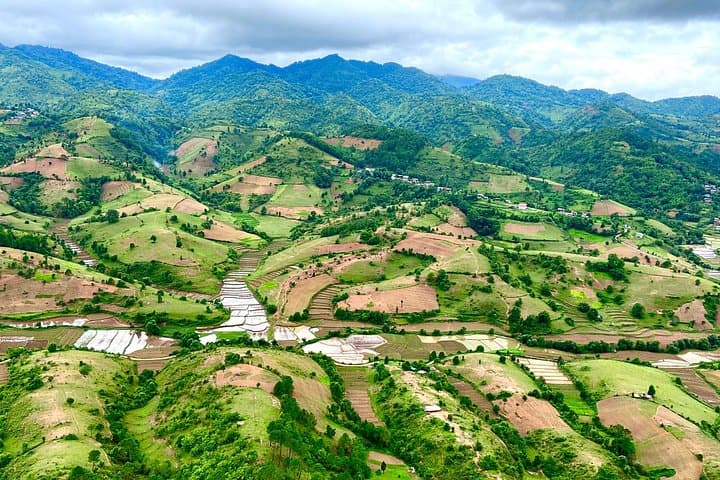
Morning fog lifts from Kalaw’s ridgelines as you step onto a narrow trail that winds through pine scrub and terraces. The path slips into villages where children and water buffalo glance up from rice paddies; the air smells of wood fire and damp earth. Over two days you’ll move from cool highland ridges toward the reed-fringed channels feeding Inle Lake, the landscape changing from chestnut forests to cultivated slopes that quietly demand your attention.
Verified experiences and guided adventures in the surrounding area.
Operated by Ko Kyaw Kalaw Trekking · Kalaw, Shan State
Morning fog lifts from Kalaw’s ridgelines as you step onto a narrow trail that winds through pine scrub and terraces. The path slips into villages where children and water buffalo glance up from rice paddies; the air smells of wood fire and damp earth. Over two days you’ll move from cool highland ridges toward the reed-fringed channels feeding Inle Lake, the landscape changing from chestnut forests to cultivated slopes that quietly demand your attention.
This region of Southern Shan State carries layers of history—tea and horse-trading routes, and a mosaic of hill-tribe cultures (Pa-O, Palaung, Taung Yoe, and others) whose customs shaped local settlement patterns. Geologically, you traverse older Shan hills: compacted volcanic and sedimentary beds carved into terraces by centuries of farming. Villages on this route still follow traditional house styles; homestays put you inside daily life rather than a guesthouse checklist.
Expect earthy singletrack, occasional muddy steps after rain, and steady climbs and descents—trail surfaces vary from packed dirt to grassy slopes. Guides point out local crops, lacquerware techniques, and community life; evenings are spent under simple wooden roofs with home-cooked meals.
Practical guidance: travel light—daypack plus a small overnight bag—bring good treaded hiking shoes, layered clothing for cool mornings, and a headlamp. Hydrate early in the day and plan for limited mobile signal. Respect household rules when staying in villages: remove shoes, ask before photographing, and accept that toilet facilities may be basic. This route rewards patience—walk slowly and the landscape and people reveal themselves.
Daily walking varies but typically ranges from 6–12 km per day with several hours on trail; pace is steady with regular breaks.
Accommodations are traditional village houses—simple shared rooms and local meals rather than private hotel comforts.
A licensed local guide is provided and recommended; foreign visitors must carry ID/passport but specific trekking permits are handled locally by operators.
Not recommended for pregnant travelers or those with serious heart or spinal conditions; bring basic first aid and inform guides of any medical issues.
Ko Kyaw Kalaw Trekking operates guided outdoor trips and adventures with an emphasis on safety, stewardship, and memorable experiences.

Morning fog lifts from Kalaw’s ridgelines as you step onto a narrow trail that winds through pine scrub and terraces. The path slips into villages where children and water buffalo glance up from rice paddies; the air smells of wood fire and damp earth. Over two days you’ll move from cool highland ridges toward the reed-fringed channels feeding Inle Lake, the landscape changing from chestnut forests to cultivated slopes that quietly demand your attention.
Morning fog lifts from Kalaw’s ridgelines as you step onto a narrow trail that winds through pine scrub and terraces. The path slips into villages where children and water buffalo glance up from rice paddies; the air smells of wood fire and damp earth. Over two days you’ll move from cool highland ridges toward the reed-fringed channels feeding Inle Lake, the landscape changing from chestnut forests to cultivated slopes that quietly demand your attention.
This region of Southern Shan State carries layers of history—tea and horse-trading routes, and a mosaic of hill-tribe cultures (Pa-O, Palaung, Taung Yoe, and others) whose customs shaped local settlement patterns. Geologically, you traverse older Shan hills: compacted volcanic and sedimentary beds carved into terraces by centuries of farming. Villages on this route still follow traditional house styles; homestays put you inside daily life rather than a guesthouse checklist.
Expect earthy singletrack, occasional muddy steps after rain, and steady climbs and descents—trail surfaces vary from packed dirt to grassy slopes. Guides point out local crops, lacquerware techniques, and community life; evenings are spent under simple wooden roofs with home-cooked meals.
Practical guidance: travel light—daypack plus a small overnight bag—bring good treaded hiking shoes, layered clothing for cool mornings, and a headlamp. Hydrate early in the day and plan for limited mobile signal. Respect household rules when staying in villages: remove shoes, ask before photographing, and accept that toilet facilities may be basic. This route rewards patience—walk slowly and the landscape and people reveal themselves.