THE ADVENTURE COLLECTIVE® · Independent discovery and booking for outdoor travel

Head offshore from Kalbarri for a guided, 2.5‑hour whale‑watching cruise aboard a 50‑foot vessel. Expect close encounters with migrating humpbacks, expert commentary, and practical advice for making the most of seasonal sightings.
Head offshore from Kalbarri for a guided, 2.5‑hour whale‑watching cruise aboard a 50‑foot vessel. Expect close encounters with migrating humpbacks, expert commentary, and practical advice for making the most of seasonal sightings.
A cold wind cuts off the Indian Ocean and the bow rises as the 50‑foot vessel slips from Kalbarri’s river mouth into open water. Salt stings the air, and the horizon is a moving gray where the sea and sky meet — soon the rhythmic exhalation and the flash of a tail will break that line. On this guided whale-watching cruise, guests trade shoreline views for a front-row seat to migration.
Verified experiences and guided adventures in the surrounding area.
Operated by Reefwalker Ocean Discovery Kalbarri · Kalbarri, Western Australia
A cold wind cuts off the Indian Ocean and the bow rises as the 50‑foot vessel slips from Kalbarri’s river mouth into open water. Salt stings the air, and the horizon is a moving gray where the sea and sky meet — soon the rhythmic exhalation and the flash of a tail will break that line. On this guided whale-watching cruise, guests trade shoreline views for a front-row seat to migration.
The whales that pass Kalbarri follow the continental shelf from June into August, moving between southern feeding grounds and northern breeding waters. The coastline here is carved from ancient Tumblagooda Sandstone, and local Nanda people have long watched marine migrations as part of seasonal knowledge. Modern tours use that combined local and scientific knowledge to find animals while minimizing disturbance.
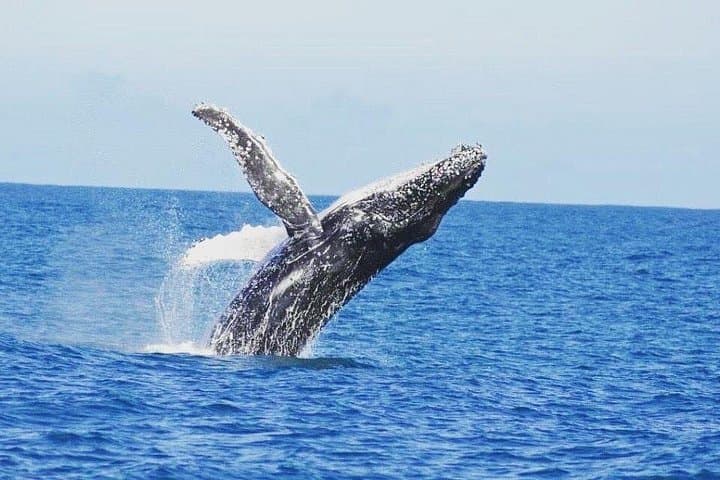
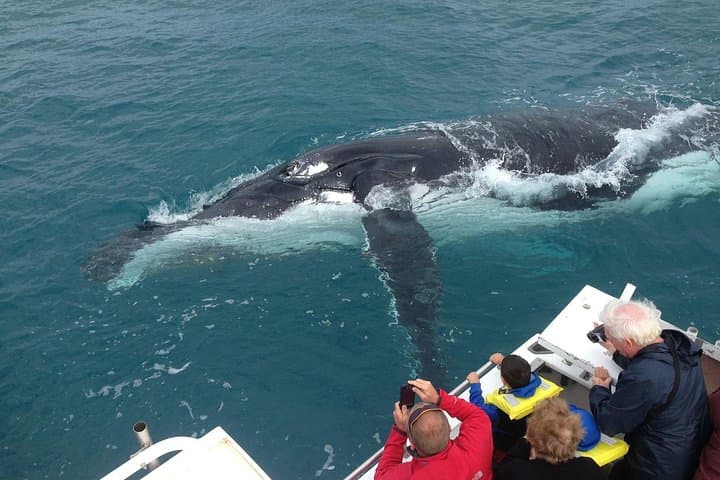
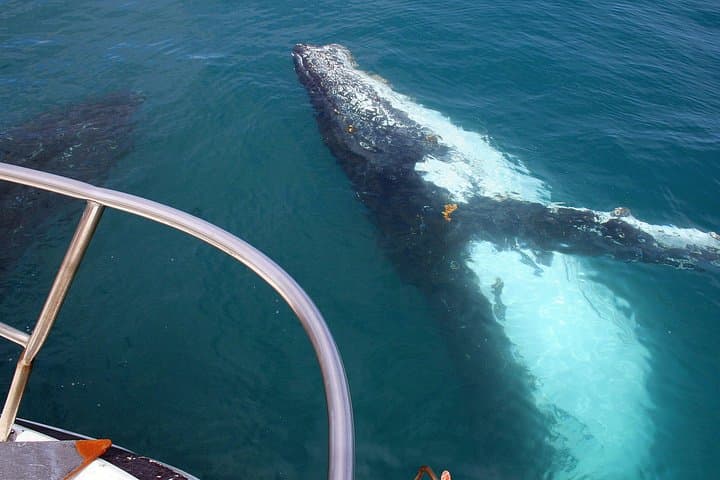
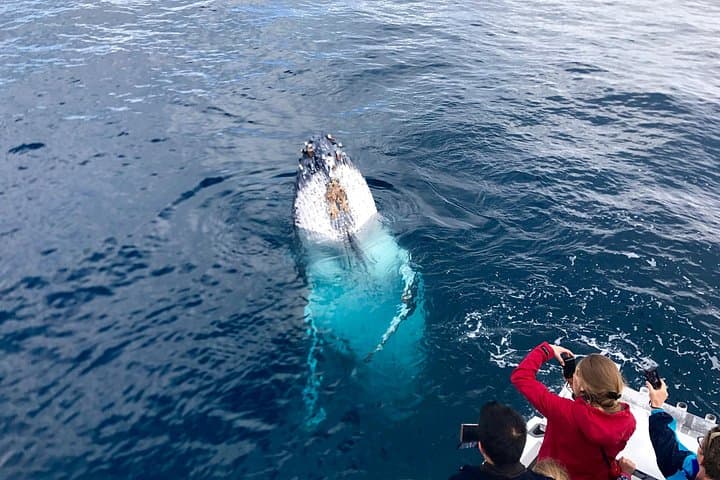
Expect long, quiet stretches punctuated by sudden activity: blows, breaching, flipper-slaps and directional changes as pods navigate the bay. Crew members provide context on species behavior, migration timing, and how the shallow shelf influences sightings.
Practical guidance: book mid-morning for steadier light and calmer seas; wear windproof layers and non-slip shoes; bring binoculars and a camera with a fast shutter. Sea sickness medication taken an hour before departure helps if you’re sensitive. Operators follow marine mammal approach rules — keep movement slow and allow animals to control distance. Tours run roughly 2.5 hours; cancellations are possible in bad weather, so check forecasts and dress in adaptable layers.
This is an experiential outing more than a guaranteed spectacle: it’s about close observation, good timing, and respecting the animals that shape Kalbarri’s coastal rhythm.
Humpback migration typically runs from June through August, with peak sightings often in mid‑winter as animals follow the continental shelf.
No—operators put effort into locating whales using local knowledge, but sightings depend on migration timing and weather; tours can be canceled for safety.
Yes; tours usually accommodate infants and children, and some operators provide infant seats, but motion sensitivity and supervision on deck should be considered.
Responsible operators follow approach guidelines that limit speed and distance, letting animals choose interaction levels to avoid disturbance.
Reefwalker Ocean Discovery Kalbarri operates guided outdoor trips and adventures with an emphasis on safety, stewardship, and memorable experiences.
A cold wind cuts off the Indian Ocean and the bow rises as the 50‑foot vessel slips from Kalbarri’s river mouth into open water. Salt stings the air, and the horizon is a moving gray where the sea and sky meet — soon the rhythmic exhalation and the flash of a tail will break that line. On this guided whale-watching cruise, guests trade shoreline views for a front-row seat to migration.
A cold wind cuts off the Indian Ocean and the bow rises as the 50‑foot vessel slips from Kalbarri’s river mouth into open water. Salt stings the air, and the horizon is a moving gray where the sea and sky meet — soon the rhythmic exhalation and the flash of a tail will break that line. On this guided whale-watching cruise, guests trade shoreline views for a front-row seat to migration.
The whales that pass Kalbarri follow the continental shelf from June into August, moving between southern feeding grounds and northern breeding waters. The coastline here is carved from ancient Tumblagooda Sandstone, and local Nanda people have long watched marine migrations as part of seasonal knowledge. Modern tours use that combined local and scientific knowledge to find animals while minimizing disturbance.
Expect long, quiet stretches punctuated by sudden activity: blows, breaching, flipper-slaps and directional changes as pods navigate the bay. Crew members provide context on species behavior, migration timing, and how the shallow shelf influences sightings.
Practical guidance: book mid-morning for steadier light and calmer seas; wear windproof layers and non-slip shoes; bring binoculars and a camera with a fast shutter. Sea sickness medication taken an hour before departure helps if you’re sensitive. Operators follow marine mammal approach rules — keep movement slow and allow animals to control distance. Tours run roughly 2.5 hours; cancellations are possible in bad weather, so check forecasts and dress in adaptable layers.
This is an experiential outing more than a guaranteed spectacle: it’s about close observation, good timing, and respecting the animals that shape Kalbarri’s coastal rhythm.