THE ADVENTURE COLLECTIVE® · Independent discovery and booking for outdoor travel

Discover Kamakura’s iconic Great Buddha, the serene halls of Hase-dera and Enoshima’s sea-swept viewpoints on this private day tour. Practical tips on timing, terrain and what to bring help you enjoy the history and coastal scenery without the fuss.
Discover Kamakura’s iconic Great Buddha, the serene halls of Hase-dera and Enoshima’s sea-swept viewpoints on this private day tour. Practical tips on timing, terrain and what to bring help you enjoy the history and coastal scenery without the fuss.
You step from the vehicle into a corridor of cedar-scented air and shrine bells — Kamakura’s streets open like chapters. The Great Buddha rises bronze and immovable against a pale sky, while a few minutes away Hase-dera’s wooden hall quiets the crowd with an immense statue of Kannon and gardens that change color with the season. Later, the wind off Sagami Bay pulls you toward Enoshima’s cliffs; fishermen’s boats rock in the harbor and the island’s stone paths lead to temples, caves and panoramic views where the sea seems to push the shoreline outward.
Verified experiences and guided adventures in the surrounding area.
Operated by Ohayo Nihon · Kamakura, Kanagawa
You step from the vehicle into a corridor of cedar-scented air and shrine bells — Kamakura’s streets open like chapters. The Great Buddha rises bronze and immovable against a pale sky, while a few minutes away Hase-dera’s wooden hall quiets the crowd with an immense statue of Kannon and gardens that change color with the season. Later, the wind off Sagami Bay pulls you toward Enoshima’s cliffs; fishermen’s boats rock in the harbor and the island’s stone paths lead to temples, caves and panoramic views where the sea seems to push the shoreline outward.
Kamakura was the seat of Japan’s first shogunate in the 12th–14th centuries, which shaped its dense collection of temples and shrines. Geologically, the coast near Enoshima is a mix of coastal terraces and volcanic bedrock, carved by centuries of tides and storms. Culturally, Tsurugaoka Hachimangu remains a living center of festivals and local rituals; Komachi Street offers contemporary food culture next to traditional sweet shops.
Practical guidance: this private, roughly six-hour tour moves at an easy pace with pickup and bottled water included—expect short walks, some stairs and temple entry fees. Morning departures avoid the largest crowds at the Great Buddha and Hase-dera; bring comfortable shoes for mixed pavement and temple steps, and a compact rain layer in case sea breezes turn to showers.
Timing, shoes, sun protection and a preparedness to climb a few staircases will let you focus on the view and the history rather than logistics.
The tour runs about six hours, including guided stops at the Great Buddha, Hase-dera, Hokokuji, Komachi Street and Enoshima.
The tour and vehicle are listed as wheelchair accessible, though some temple grounds and caves have stairs—check specific site access in advance.
Some admissions are included per itinerary notes; confirm specifics with the operator when booking to cover any additional entry fees.
Yes—stroller access and infant seats are available; plan for short walks and occasional stairs at temple sites.
Ohayo Nihon operates guided outdoor trips and adventures with an emphasis on safety, stewardship, and memorable experiences.
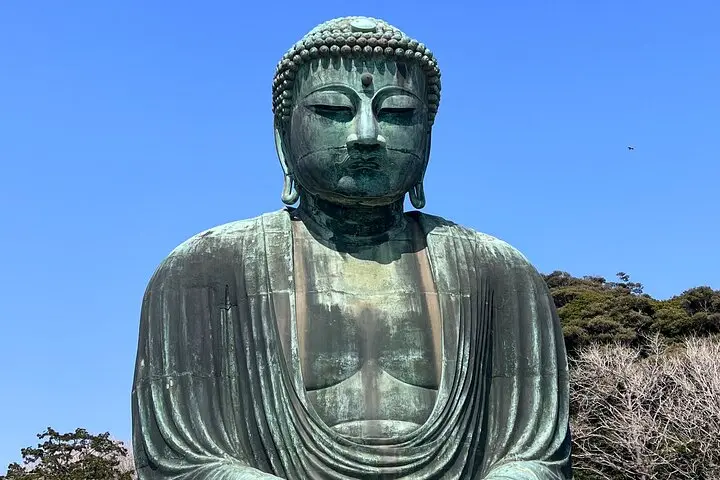
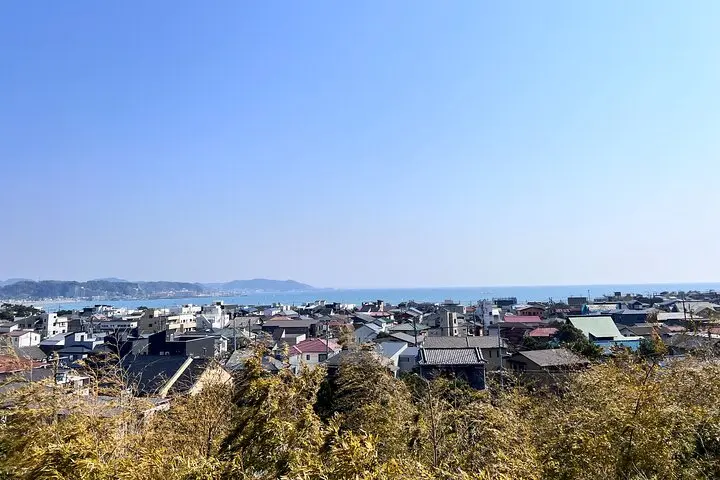
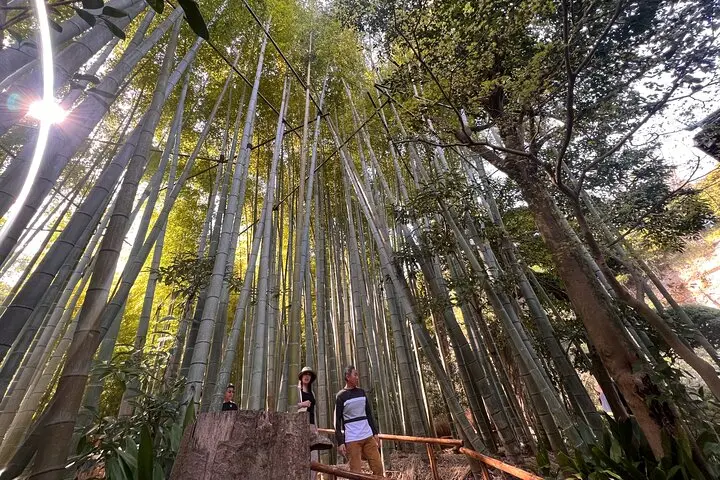
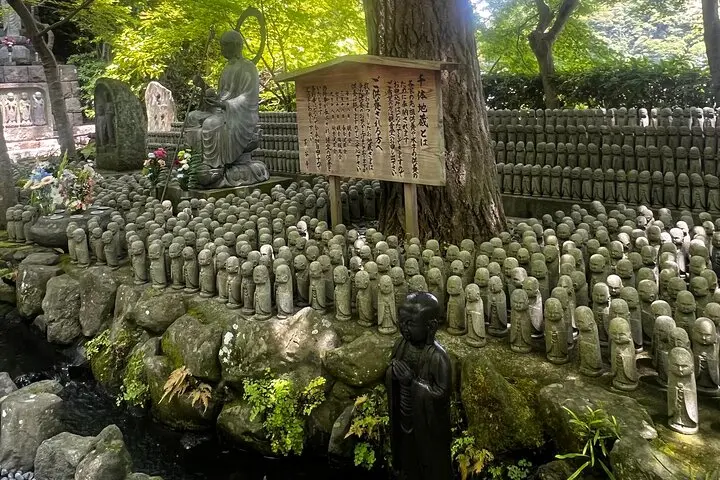
You step from the vehicle into a corridor of cedar-scented air and shrine bells — Kamakura’s streets open like chapters. The Great Buddha rises bronze and immovable against a pale sky, while a few minutes away Hase-dera’s wooden hall quiets the crowd with an immense statue of Kannon and gardens that change color with the season. Later, the wind off Sagami Bay pulls you toward Enoshima’s cliffs; fishermen’s boats rock in the harbor and the island’s stone paths lead to temples, caves and panoramic views where the sea seems to push the shoreline outward.
You step from the vehicle into a corridor of cedar-scented air and shrine bells — Kamakura’s streets open like chapters. The Great Buddha rises bronze and immovable against a pale sky, while a few minutes away Hase-dera’s wooden hall quiets the crowd with an immense statue of Kannon and gardens that change color with the season. Later, the wind off Sagami Bay pulls you toward Enoshima’s cliffs; fishermen’s boats rock in the harbor and the island’s stone paths lead to temples, caves and panoramic views where the sea seems to push the shoreline outward.
Kamakura was the seat of Japan’s first shogunate in the 12th–14th centuries, which shaped its dense collection of temples and shrines. Geologically, the coast near Enoshima is a mix of coastal terraces and volcanic bedrock, carved by centuries of tides and storms. Culturally, Tsurugaoka Hachimangu remains a living center of festivals and local rituals; Komachi Street offers contemporary food culture next to traditional sweet shops.
Practical guidance: this private, roughly six-hour tour moves at an easy pace with pickup and bottled water included—expect short walks, some stairs and temple entry fees. Morning departures avoid the largest crowds at the Great Buddha and Hase-dera; bring comfortable shoes for mixed pavement and temple steps, and a compact rain layer in case sea breezes turn to showers.
Timing, shoes, sun protection and a preparedness to climb a few staircases will let you focus on the view and the history rather than logistics.