THE ADVENTURE COLLECTIVE® · Independent discovery and booking for outdoor travel

Walk Mt. Genji from Kita-Kamakura to the Great Buddha on a private, full-day cultural hike that combines Zen temples, shrine rituals and coastal views. This practical guide prepares you for the terrain, timing and small customs you’ll encounter.
Walk Mt. Genji from Kita-Kamakura to the Great Buddha on a private, full-day cultural hike that combines Zen temples, shrine rituals and coastal views. This practical guide prepares you for the terrain, timing and small customs you’ll encounter.
You step off the train at Kita-Kamakura and the city exhales—pine-scented air, temple bells, and a path that climbs the western edge of Kamakura. The Kuzuharaoka/Great Buddha route threads through mossy steps and cedar groves on Mt. Genji, linking Zen temples, Shinto shrines and the final reveal: the bronze Great Buddha at Kotoku-in.
Verified experiences and guided adventures in the surrounding area.
Operated by MY Travel Consulting · Kamakura, Kanagawa
You step off the train at Kita-Kamakura and the city exhales—pine-scented air, temple bells, and a path that climbs the western edge of Kamakura. The Kuzuharaoka/Great Buddha route threads through mossy steps and cedar groves on Mt. Genji, linking Zen temples, Shinto shrines and the final reveal: the bronze Great Buddha at Kotoku-in.
Kamakura was the political heart of medieval Japan; the trails you walk trace routes used by samurai and pilgrims since the 12th century. The Great Buddha (Daibutsu), cast in 1252, survives as a reminder of coastal communities reshaped by earthquakes and tsunamis. Geologically, the area sits on uplifted coastal terraces with steep ravines that funnel streams—precisely where Zeniaraibenzaiten’s money-washing ritual takes place.
Culturally the day mixes Rinzai Zen at Engaku-ji, folk beliefs at Kuzuharaoka and the tactile ritual of rinsing coins for luck. Expect a mix of paved steps, gravel trails and small stair climbs; the whole private tour moves at a steady pace with public-train transfers.
Practical guidance: wear grippy footwear for wet stone and stairs, carry at least 1–1.5 liters of water, and bring cash for small shrine donations and entrance fees. Peak seasons are cherry blossom and autumn color; summers are humid and shaded but can be hot. The route is compact but requires steady fitness—plan for a full-day with moderate climbs, multiple stops and a return to Tokyo by evening.
The full tour runs about eight hours including train travel and stops; the walking includes steep stairs and short climbs—good fitness and mobility are recommended.
The tour includes admission fees and public transportation costs as noted, but bring small cash for incidental purchases and shrine donations.
This route involves stairs and uneven surfaces; it’s not recommended for travelers with serious mobility limitations, recent back injuries, or pregnancy.
National licensed guides are available in English, Spanish and Mandarin on this private tour.
MY Travel Consulting operates guided outdoor trips and adventures with an emphasis on safety, stewardship, and memorable experiences.
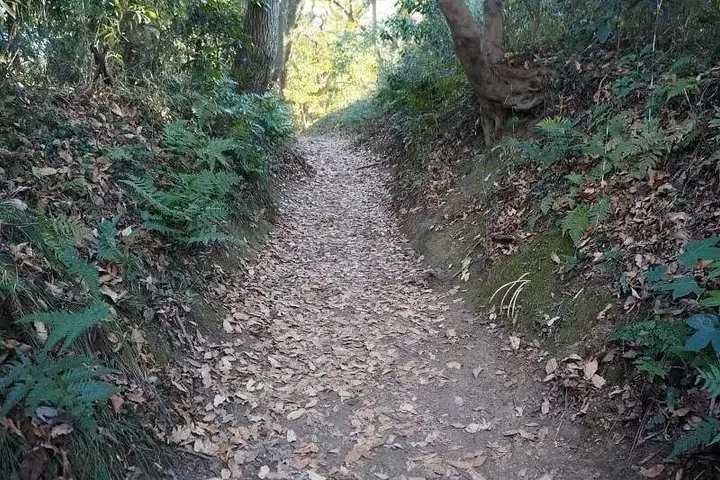
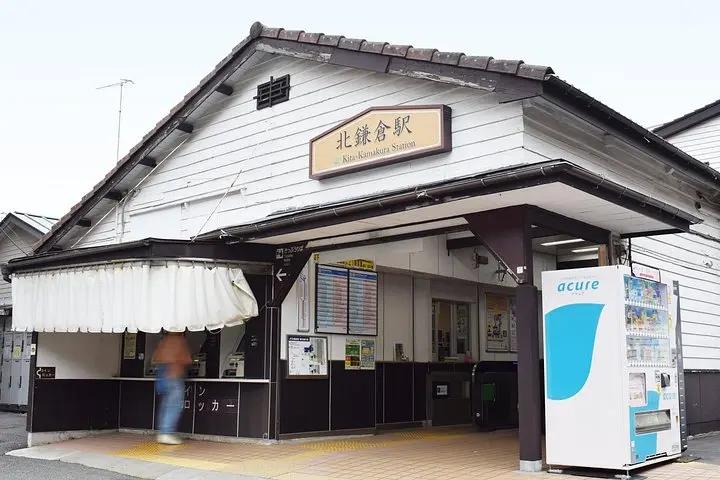
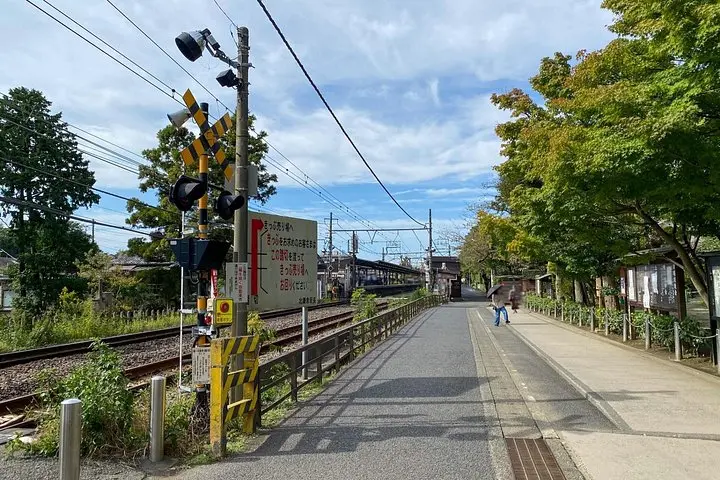
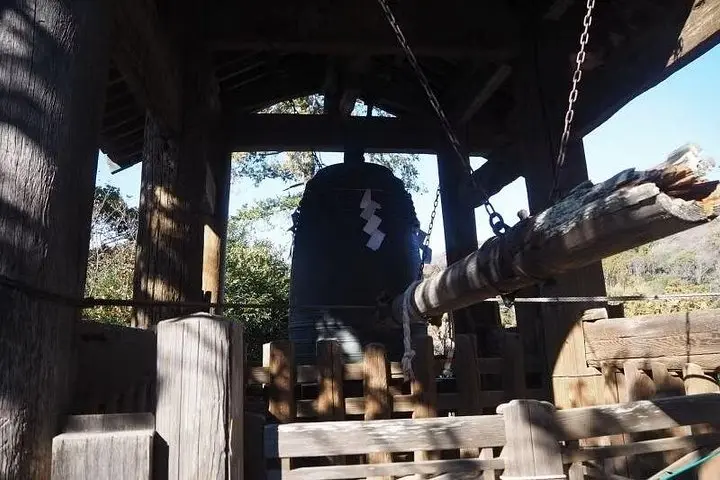
You step off the train at Kita-Kamakura and the city exhales—pine-scented air, temple bells, and a path that climbs the western edge of Kamakura. The Kuzuharaoka/Great Buddha route threads through mossy steps and cedar groves on Mt. Genji, linking Zen temples, Shinto shrines and the final reveal: the bronze Great Buddha at Kotoku-in.
You step off the train at Kita-Kamakura and the city exhales—pine-scented air, temple bells, and a path that climbs the western edge of Kamakura. The Kuzuharaoka/Great Buddha route threads through mossy steps and cedar groves on Mt. Genji, linking Zen temples, Shinto shrines and the final reveal: the bronze Great Buddha at Kotoku-in.
Kamakura was the political heart of medieval Japan; the trails you walk trace routes used by samurai and pilgrims since the 12th century. The Great Buddha (Daibutsu), cast in 1252, survives as a reminder of coastal communities reshaped by earthquakes and tsunamis. Geologically, the area sits on uplifted coastal terraces with steep ravines that funnel streams—precisely where Zeniaraibenzaiten’s money-washing ritual takes place.
Culturally the day mixes Rinzai Zen at Engaku-ji, folk beliefs at Kuzuharaoka and the tactile ritual of rinsing coins for luck. Expect a mix of paved steps, gravel trails and small stair climbs; the whole private tour moves at a steady pace with public-train transfers.
Practical guidance: wear grippy footwear for wet stone and stairs, carry at least 1–1.5 liters of water, and bring cash for small shrine donations and entrance fees. Peak seasons are cherry blossom and autumn color; summers are humid and shaded but can be hot. The route is compact but requires steady fitness—plan for a full-day with moderate climbs, multiple stops and a return to Tokyo by evening.