THE ADVENTURE COLLECTIVE® · Independent discovery and booking for outdoor travel

Ride the iconic Enoden, stand beneath Kamakura’s 11.4‑meter Great Buddha, and trace legends on Enoshima in a full‑day small‑group tour from Tokyo. This coastal loop blends samurai history, seaside geology, and shrine culture into one accessible day trip.
Ride the iconic Enoden, stand beneath Kamakura’s 11.4‑meter Great Buddha, and trace legends on Enoshima in a full‑day small‑group tour from Tokyo. This coastal loop blends samurai history, seaside geology, and shrine culture into one accessible day trip.
You step off the Enoden streetcar and the Shonan sea seems to breathe—salted wind pushing foam toward the shore as the town hums around you. The route threads between temple gates and low wooden houses, then opens onto the open face of Kamakura where the 11.4‑meter bronze Great Buddha stoically watches tides of visitors and time.
Verified experiences and guided adventures in the surrounding area.
Operated by QHTravel · Kamakura, Kanagawa
You step off the Enoden streetcar and the Shonan sea seems to breathe—salted wind pushing foam toward the shore as the town hums around you. The route threads between temple gates and low wooden houses, then opens onto the open face of Kamakura where the 11.4‑meter bronze Great Buddha stoically watches tides of visitors and time.
Kamakura was the political heart of medieval Japan under Minamoto no Yoritomo; the shrine-dotted hills and broad avenues still carry that samurai-era geometry. Enoshima, born of legend when the goddess Benzaiten emerged from the sea, presents a different history: a compact island of caves, shrine complexes, and viewing terraces shaped by volcanic bedrock and coastal uplift. Geology here is readable—stepped promenades, wave-cut benches, and pebbled beaches revealing the push and pull between land and ocean.
Culture arrives in small gestures: shrine bell clappers, paper omikuji tied on railings, tram bells drawing a line between seaside cafés and centuries-old temples. The Enoden ride itself is a local ritual—short, intimate, cinematic.
Practical guidance: expect a long, full day (about 10 hours) with walking on mixed terrain—paved streets, temple grounds, and uneven coastal paths. Carry cash for small temple fees and food stalls, keep a light waterproof layer for sea spray or sudden showers, and reserve energy for stairs on Enoshima. Timing matters—arrive at Kotoku‑in or Tsurugaoka Hachimangu early in the morning to avoid crowds and catch softer light for photos. Follow basic shrine etiquette and stay on marked paths to protect fragile coastal vegetation. The route balances easy sightseeing with authentic coastal and cultural encounters—bring curiosity and sensible footwear.
No; the guide provides basic English guidance and directions, but attractions are explored at your own pace—menus and signs may be in Japanese, so a translation app helps.
Yes; a complimentary Enoden ticket for the planned segment is provided, but if you cannot ride due to circumstances the fee is not refunded.
The day includes moderate walking and stairs, especially on Enoshima and at shrine complexes—suitable for most people but not recommended for those with serious mobility issues.
Infants and small children can use strollers, but some sites have steps; infants must sit on an adult’s lap during transport when required.
QHTravel operates guided outdoor trips and adventures with an emphasis on safety, stewardship, and memorable experiences.
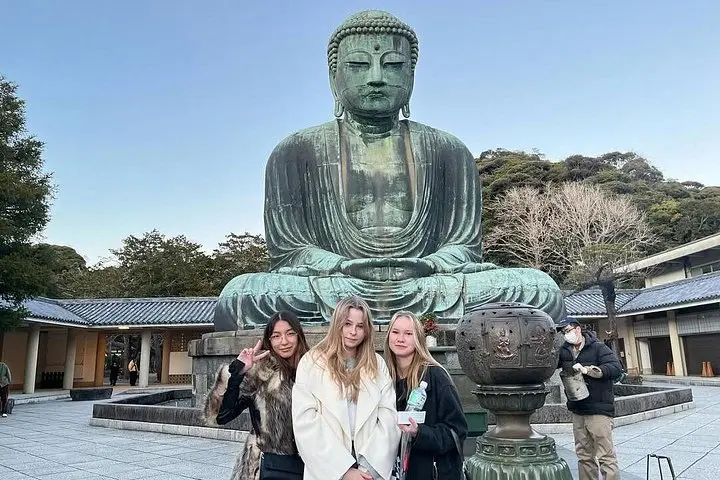
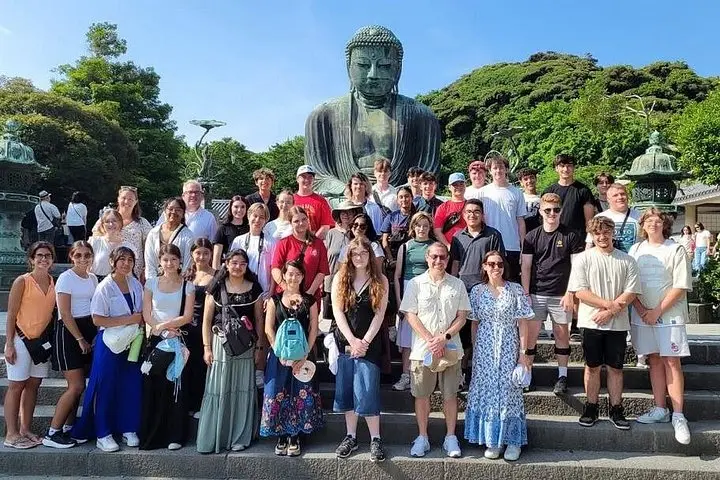
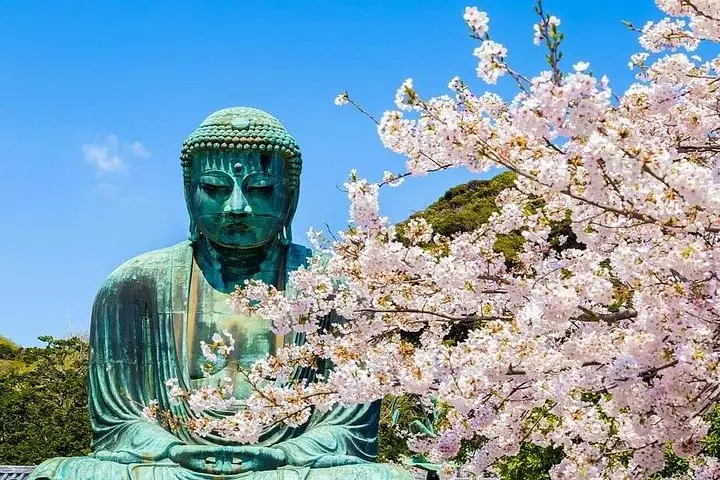
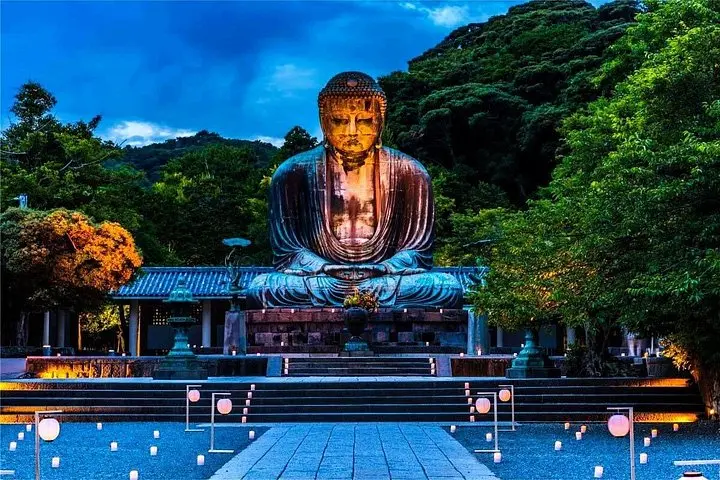
You step off the Enoden streetcar and the Shonan sea seems to breathe—salted wind pushing foam toward the shore as the town hums around you. The route threads between temple gates and low wooden houses, then opens onto the open face of Kamakura where the 11.4‑meter bronze Great Buddha stoically watches tides of visitors and time.
You step off the Enoden streetcar and the Shonan sea seems to breathe—salted wind pushing foam toward the shore as the town hums around you. The route threads between temple gates and low wooden houses, then opens onto the open face of Kamakura where the 11.4‑meter bronze Great Buddha stoically watches tides of visitors and time.
Kamakura was the political heart of medieval Japan under Minamoto no Yoritomo; the shrine-dotted hills and broad avenues still carry that samurai-era geometry. Enoshima, born of legend when the goddess Benzaiten emerged from the sea, presents a different history: a compact island of caves, shrine complexes, and viewing terraces shaped by volcanic bedrock and coastal uplift. Geology here is readable—stepped promenades, wave-cut benches, and pebbled beaches revealing the push and pull between land and ocean.
Culture arrives in small gestures: shrine bell clappers, paper omikuji tied on railings, tram bells drawing a line between seaside cafés and centuries-old temples. The Enoden ride itself is a local ritual—short, intimate, cinematic.
Practical guidance: expect a long, full day (about 10 hours) with walking on mixed terrain—paved streets, temple grounds, and uneven coastal paths. Carry cash for small temple fees and food stalls, keep a light waterproof layer for sea spray or sudden showers, and reserve energy for stairs on Enoshima. Timing matters—arrive at Kotoku‑in or Tsurugaoka Hachimangu early in the morning to avoid crowds and catch softer light for photos. Follow basic shrine etiquette and stay on marked paths to protect fragile coastal vegetation. The route balances easy sightseeing with authentic coastal and cultural encounters—bring curiosity and sensible footwear.