THE ADVENTURE COLLECTIVE® · Independent discovery and booking for outdoor travel

Weave through Kampala’s Kitenge markets with local youth designers, pick fabrics at fair local prices, and collaborate on a custom outfit made by expert tailors. This hands‑on cultural tour combines bargaining, design and a direct way to support young Ugandan artisans.
Weave through Kampala’s Kitenge markets with local youth designers, pick fabrics at fair local prices, and collaborate on a custom outfit made by expert tailors. This hands‑on cultural tour combines bargaining, design and a direct way to support young Ugandan artisans.
You step off the minivan into the city's organized chaos: hawkers call softly, rickety taxi park engines cough, and bolts of Kitenge fabric ripple like flags along narrow aisles. Colors crowd you—ochres, cobalt, and bright magenta—each print a language. The Yimba designers guide you through this rhythm, helping you read weave, weight and pattern with a tailor’s eye.
Verified experiences and guided adventures in the surrounding area.
Operated by Yimba Fashions · Kampala, Central Region
You step off the minivan into the city's organized chaos: hawkers call softly, rickety taxi park engines cough, and bolts of Kitenge fabric ripple like flags along narrow aisles. Colors crowd you—ochres, cobalt, and bright magenta—each print a language. The Yimba designers guide you through this rhythm, helping you read weave, weight and pattern with a tailor’s eye.
Kitenge cloth carries East African trade history: cotton and printed wax patterns adopted through 20th‑century commerce and adapted into bold, local styles. Kampala’s markets grew around transport hubs—the Old Taxi Park still hums with the pulse of traders—while Nakasero and nearby fabric alleys specialize in yardage, linings and offcuts for custom work.
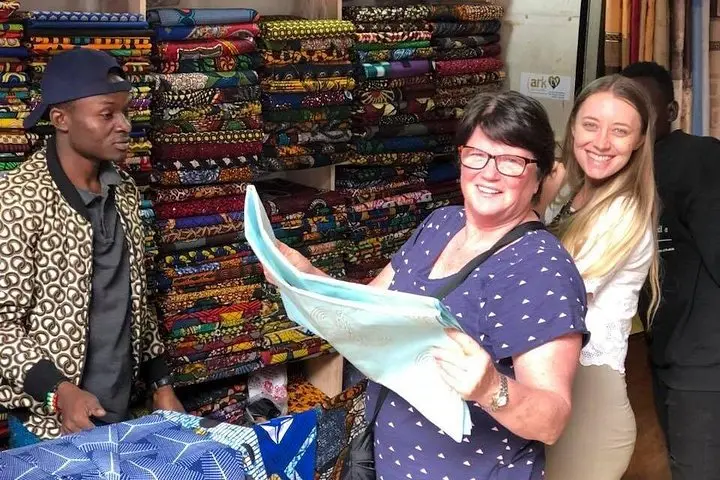
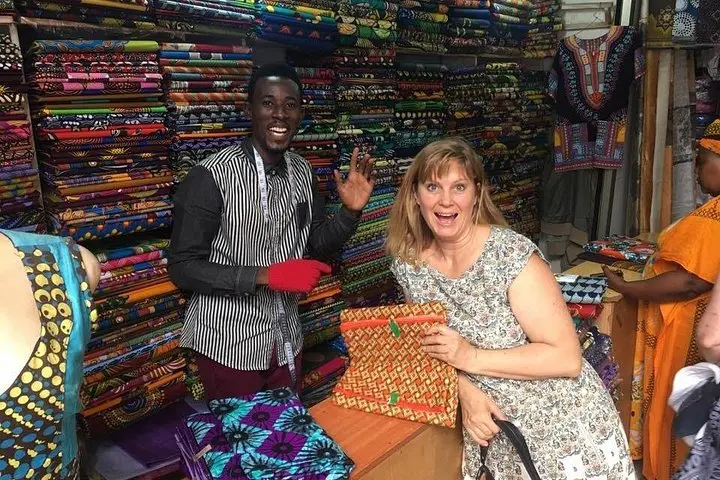
Expect hands-on selection followed by a measurement session; local tailors convert choices into patterns and fittings within days depending on complexity. Bargaining is standard; prices vary by length, print rarity and finish. Language is warm and direct—Politeness opens doors, and a quick sketch with a designer speeds the process.
Practical notes: plan 60–120 minutes for the market visit, plus extra if you order tailoring. Wear closed-toe shoes for crowded aisles, carry small bills and a reusable bag for purchased fabric. Bring reference photos of the design you want and allow time for fittings—same-day simple items are possible, but quality custom pieces usually need 24–72 hours. This tour pairs cultural immersion with a tangible souvenir: a locally made garment that supports youth designers and keeps the craft moving forward.
Simple items can sometimes be finished in a day, but most custom garments require 24–72 hours for cutting, sewing and fitting—confirm timing with your designer beforehand.
Yes; bargaining is common. Start below the asking price and be respectful—designers and vendors expect some haggling.
Yes, but keep large bundles secure; consider a taxi or arranged transport if you purchase many meters to avoid carrying heavy loads on public transit.
No, English is widely spoken in Kampala markets, but learning a few greetings in Luganda can build rapport and make bargaining smoother.
Yimba Fashions operates guided outdoor trips and adventures with an emphasis on safety, stewardship, and memorable experiences.
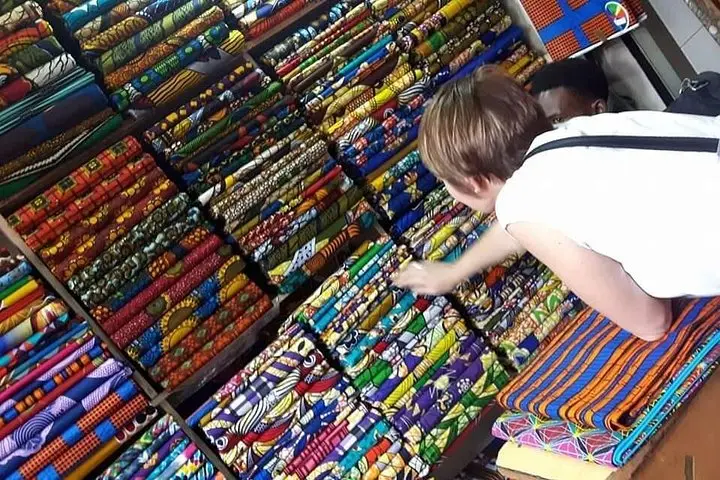
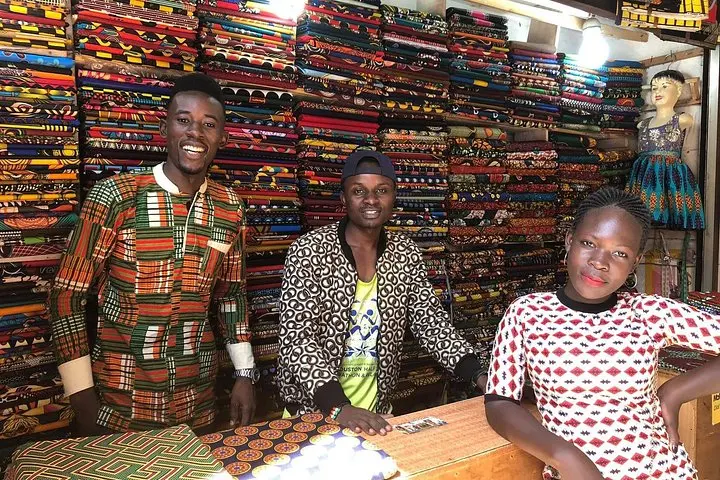
You step off the minivan into the city's organized chaos: hawkers call softly, rickety taxi park engines cough, and bolts of Kitenge fabric ripple like flags along narrow aisles. Colors crowd you—ochres, cobalt, and bright magenta—each print a language. The Yimba designers guide you through this rhythm, helping you read weave, weight and pattern with a tailor’s eye.
You step off the minivan into the city's organized chaos: hawkers call softly, rickety taxi park engines cough, and bolts of Kitenge fabric ripple like flags along narrow aisles. Colors crowd you—ochres, cobalt, and bright magenta—each print a language. The Yimba designers guide you through this rhythm, helping you read weave, weight and pattern with a tailor’s eye.
Kitenge cloth carries East African trade history: cotton and printed wax patterns adopted through 20th‑century commerce and adapted into bold, local styles. Kampala’s markets grew around transport hubs—the Old Taxi Park still hums with the pulse of traders—while Nakasero and nearby fabric alleys specialize in yardage, linings and offcuts for custom work.
Expect hands-on selection followed by a measurement session; local tailors convert choices into patterns and fittings within days depending on complexity. Bargaining is standard; prices vary by length, print rarity and finish. Language is warm and direct—Politeness opens doors, and a quick sketch with a designer speeds the process.
Practical notes: plan 60–120 minutes for the market visit, plus extra if you order tailoring. Wear closed-toe shoes for crowded aisles, carry small bills and a reusable bag for purchased fabric. Bring reference photos of the design you want and allow time for fittings—same-day simple items are possible, but quality custom pieces usually need 24–72 hours. This tour pairs cultural immersion with a tangible souvenir: a locally made garment that supports youth designers and keeps the craft moving forward.