THE ADVENTURE COLLECTIVE® · Independent discovery and booking for outdoor travel

Discover Buganda’s royal sites, bustling markets, and city panoramas on a private half-day cultural tour of Kampala. Expect history, street life, and practical tips for navigating the city’s seven hills.
Discover Buganda’s royal sites, bustling markets, and city panoramas on a private half-day cultural tour of Kampala. Expect history, street life, and practical tips for navigating the city’s seven hills.
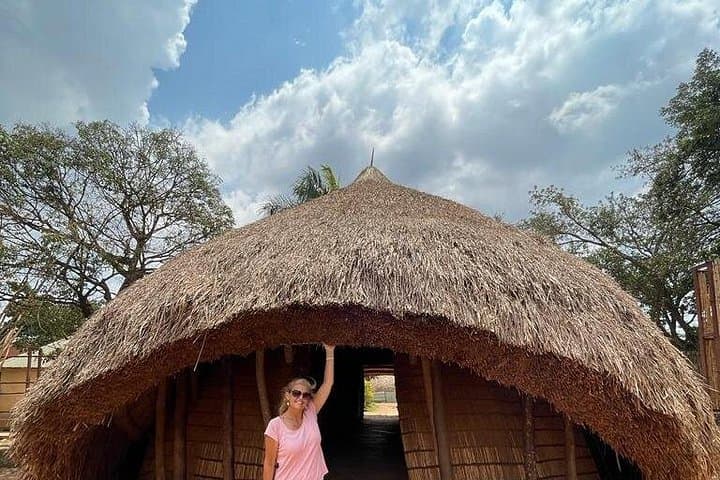
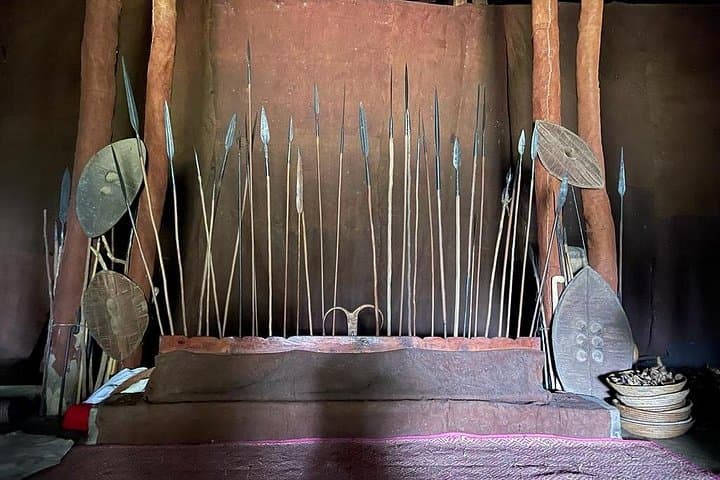
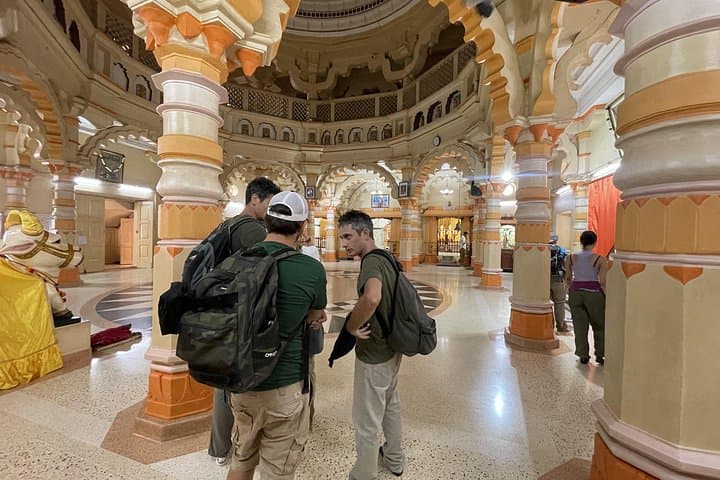
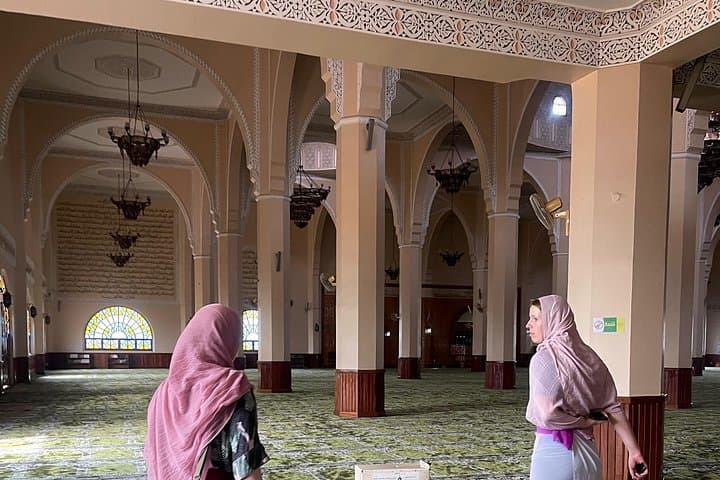
On a bright morning in Kampala the city unfolds across seven hills—markets humming, roadside chapels calling, and the air warmed by the lengthening sun. A private, three-to-four-hour cultural tour threads these scenes together: you stand at royal tombs where the Buganda kings rest, peer into memorials that mark modern turmoil, and top a mosque for a full 360° view of the city daring you to take it all in.
Verified experiences and guided adventures in the surrounding area.
Operated by Travel with twaha · Kampala, Kampala
On a bright morning in Kampala the city unfolds across seven hills—markets humming, roadside chapels calling, and the air warmed by the lengthening sun. A private, three-to-four-hour cultural tour threads these scenes together: you stand at royal tombs where the Buganda kings rest, peer into memorials that mark modern turmoil, and top a mosque for a full 360° view of the city daring you to take it all in.
The route traces Buganda history: the Kabaka’s burial grounds, the Bulange (parliament) where clan seats and granite carvings tell political stories, and sites tied to Uganda’s colonial and post-colonial shifts. Geology is subtle here—rolling limestones and red laterite streets—but it shaped settlement on defensible hills and the drainage that feeds nearby wetlands.
Expect urban textures: trading stalls selling matooke and bark cloth, vendors calling out, and pockets of mango trees shading narrow lanes. Local guides balance explanation with practicalities—where to pause for a roadside samosa, how to navigate traffic, and the etiquette at sacred sites.
Practical guidance: wear sturdy walking shoes for uneven sidewalks, carry 1 liter of water, and bring a lightweight rain shell during the wetter months. The tour is wheelchair-accessible in many stops but may include short walks on uneven ground. Morning departures keep heat manageable and markets lively; late afternoons offer softer light for photos. This half-day visit is compact but layered—an efficient introduction to Buganda’s culture and Kampala’s living cityscape.
The private tour runs about 3 to 4 hours, typically starting in the morning for cooler conditions.
Many stops are wheelchair-accessible and transportation is provided, but some sites have short uneven paths—check with the operator if accessibility beyond paved areas is required.
Most historical stops on this itinerary do not include admission; the mosque visit that offers city views may include a fee—confirm at booking.
Yes—infants and small children can join; infant seats are available and the tour is described as suitable for all fitness levels.
Travel with twaha operates guided outdoor trips and adventures with an emphasis on safety, stewardship, and memorable experiences.
On a bright morning in Kampala the city unfolds across seven hills—markets humming, roadside chapels calling, and the air warmed by the lengthening sun. A private, three-to-four-hour cultural tour threads these scenes together: you stand at royal tombs where the Buganda kings rest, peer into memorials that mark modern turmoil, and top a mosque for a full 360° view of the city daring you to take it all in.
On a bright morning in Kampala the city unfolds across seven hills—markets humming, roadside chapels calling, and the air warmed by the lengthening sun. A private, three-to-four-hour cultural tour threads these scenes together: you stand at royal tombs where the Buganda kings rest, peer into memorials that mark modern turmoil, and top a mosque for a full 360° view of the city daring you to take it all in.
The route traces Buganda history: the Kabaka’s burial grounds, the Bulange (parliament) where clan seats and granite carvings tell political stories, and sites tied to Uganda’s colonial and post-colonial shifts. Geology is subtle here—rolling limestones and red laterite streets—but it shaped settlement on defensible hills and the drainage that feeds nearby wetlands.
Expect urban textures: trading stalls selling matooke and bark cloth, vendors calling out, and pockets of mango trees shading narrow lanes. Local guides balance explanation with practicalities—where to pause for a roadside samosa, how to navigate traffic, and the etiquette at sacred sites.
Practical guidance: wear sturdy walking shoes for uneven sidewalks, carry 1 liter of water, and bring a lightweight rain shell during the wetter months. The tour is wheelchair-accessible in many stops but may include short walks on uneven ground. Morning departures keep heat manageable and markets lively; late afternoons offer softer light for photos. This half-day visit is compact but layered—an efficient introduction to Buganda’s culture and Kampala’s living cityscape.