THE ADVENTURE COLLECTIVE® · Independent discovery and booking for outdoor travel

Spend a full day tracing Kampala’s complex history — from the Kabaka’s Lubiri palace to the terraces of the Gaddafi Mosque, and the chaotic charm of Owino Market. This private tour blends cultural context with practical navigation of the city’s busiest sites.
Spend a full day tracing Kampala’s complex history — from the Kabaka’s Lubiri palace to the terraces of the Gaddafi Mosque, and the chaotic charm of Owino Market. This private tour blends cultural context with practical navigation of the city’s busiest sites.
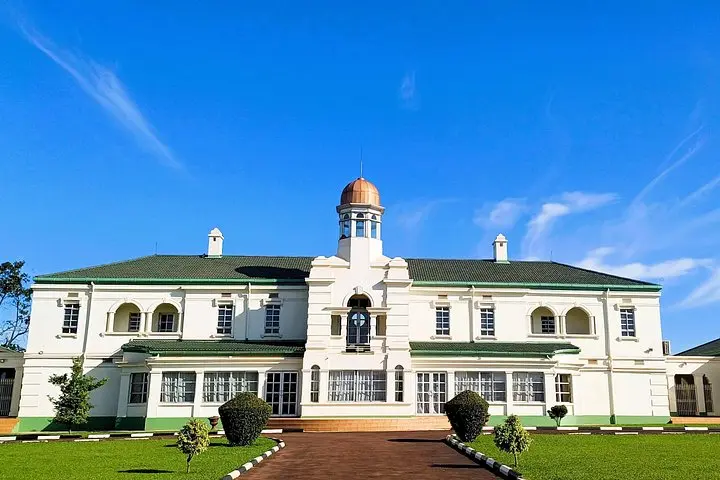
You step out into Kampala’s heat and the city answers with layered noise: boda-bodas weaving between matatus, market vendors calling prices, and gulls above Lake Victoria testing the breeze. The tour moves through memory as much as geography — from the Lubiri (Kabaka’s Palace) where Buganda royalty shaped regional politics to the pilgrimage hush of Namugongo’s Martyrs’ Shrine.
Verified experiences and guided adventures in the surrounding area.
Operated by Next trip safaris · Kampala, Kampala
You step out into Kampala’s heat and the city answers with layered noise: boda-bodas weaving between matatus, market vendors calling prices, and gulls above Lake Victoria testing the breeze. The tour moves through memory as much as geography — from the Lubiri (Kabaka’s Palace) where Buganda royalty shaped regional politics to the pilgrimage hush of Namugongo’s Martyrs’ Shrine.
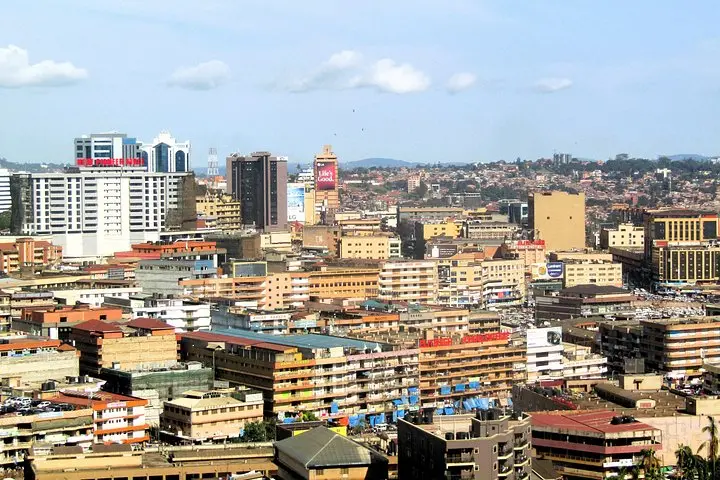
Kampala sits on seven main hills carved from ancient Precambrian rocks and overlooks the slow expanse of Lake Victoria, whose shoreline has shaped trade and settlement for centuries. Colonial-era buildings, modern mosques, and a rare Bahá’í House of Worship reveal the city’s plural culture: more than 50 ethnic groups contribute languages, cuisine, and ritual to daily life.
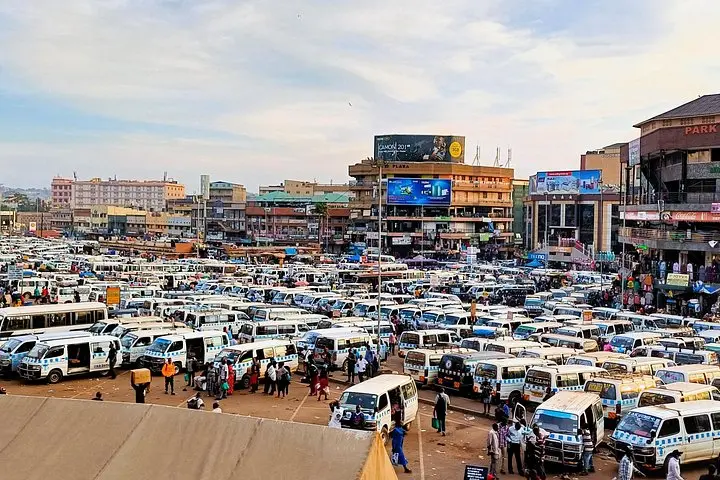
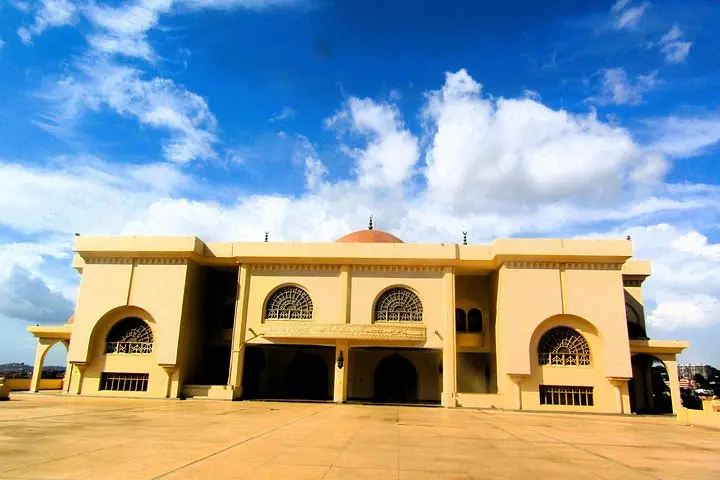
Expect close-up history at the Uganda Museum’s ethnographic collections, a climb to the Gaddafi National Mosque’s terraces for panoramic city views, and a sensory plunge into Owino Market’s alleys where bargaining is part of the rhythm. Local guides animate context — Buganda’s monarchy, the story of the Uganda Martyrs, and how Kampala’s urban growth blends tradition and entrepreneurship.
Practical guidance: plan for a full 5–6 hour day, wear comfortable walking shoes, and carry cash (Ugandan shillings) for markets. Sun protection and a refillable water bottle are essential; many stops are open-air. Tell your guide about dietary needs for the included lunch and ask about quieter timing to avoid crowds at Namugongo. The tour is wheelchair-accessible in many parts, but uneven surfaces and market congestion mean mobility can be tested. Move deliberately, listen to local cues, and let the city’s energy push you forward rather than rush you.
Yes — the private tour includes pickup from an agreed Kampala location; you’ll provide your pickup point at booking.
Many stops (museum, mosque terraces, some palace areas) have accessible options, but market lanes and some heritage sites involve uneven surfaces — notify the operator to plan routes.
Ugandan shillings are preferred for small purchases; major vendors accept cards but cash is easiest in markets and for tips.
Yes — the included local lunch can accommodate vegetarian, vegan, and gluten-free needs if stated at booking.
Next trip safaris operates guided outdoor trips and adventures with an emphasis on safety, stewardship, and memorable experiences.
You step out into Kampala’s heat and the city answers with layered noise: boda-bodas weaving between matatus, market vendors calling prices, and gulls above Lake Victoria testing the breeze. The tour moves through memory as much as geography — from the Lubiri (Kabaka’s Palace) where Buganda royalty shaped regional politics to the pilgrimage hush of Namugongo’s Martyrs’ Shrine.
You step out into Kampala’s heat and the city answers with layered noise: boda-bodas weaving between matatus, market vendors calling prices, and gulls above Lake Victoria testing the breeze. The tour moves through memory as much as geography — from the Lubiri (Kabaka’s Palace) where Buganda royalty shaped regional politics to the pilgrimage hush of Namugongo’s Martyrs’ Shrine.
Kampala sits on seven main hills carved from ancient Precambrian rocks and overlooks the slow expanse of Lake Victoria, whose shoreline has shaped trade and settlement for centuries. Colonial-era buildings, modern mosques, and a rare Bahá’í House of Worship reveal the city’s plural culture: more than 50 ethnic groups contribute languages, cuisine, and ritual to daily life.
Expect close-up history at the Uganda Museum’s ethnographic collections, a climb to the Gaddafi National Mosque’s terraces for panoramic city views, and a sensory plunge into Owino Market’s alleys where bargaining is part of the rhythm. Local guides animate context — Buganda’s monarchy, the story of the Uganda Martyrs, and how Kampala’s urban growth blends tradition and entrepreneurship.
Practical guidance: plan for a full 5–6 hour day, wear comfortable walking shoes, and carry cash (Ugandan shillings) for markets. Sun protection and a refillable water bottle are essential; many stops are open-air. Tell your guide about dietary needs for the included lunch and ask about quieter timing to avoid crowds at Namugongo. The tour is wheelchair-accessible in many parts, but uneven surfaces and market congestion mean mobility can be tested. Move deliberately, listen to local cues, and let the city’s energy push you forward rather than rush you.