THE ADVENTURE COLLECTIVE® · Independent discovery and booking for outdoor travel

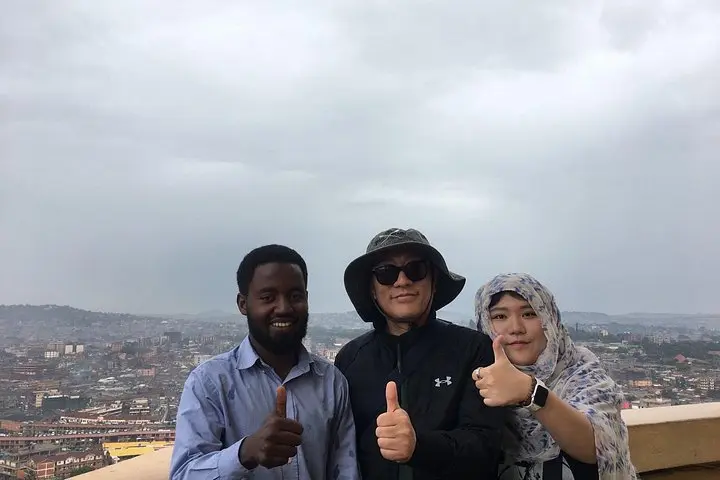
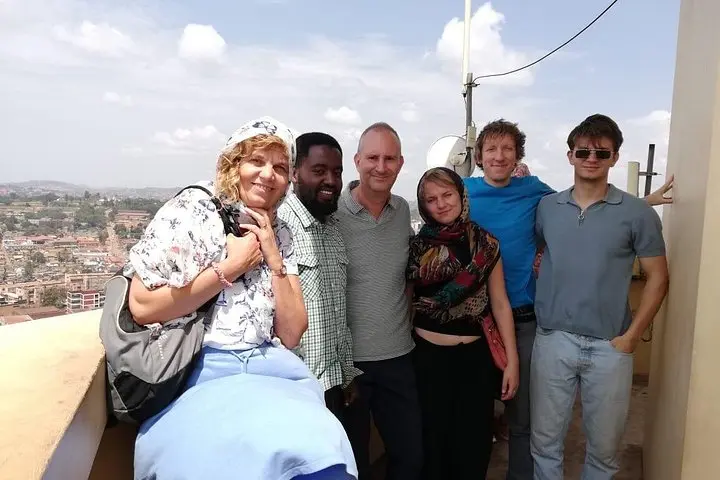
Four to five hours on foot through Kampala’s busiest markets, historic sites, and local food stops. Expect steep streets, bargaining at stalls, panoramic views from the national mosque, and a deep dive into Buganda history and urban life.
Four to five hours on foot through Kampala’s busiest markets, historic sites, and local food stops. Expect steep streets, bargaining at stalls, panoramic views from the national mosque, and a deep dive into Buganda history and urban life.
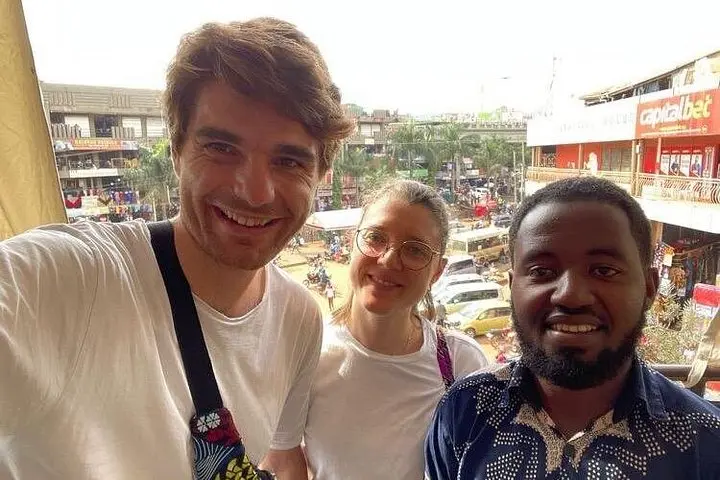
A morning in Kampala unfolds on foot: the city’s seven (and more) hills rise and fall beneath your shoes, vendors call across narrow alleys, and steam from roadside food stalls perfumes the air. The tour threads through Owino Market’s press of colors and second-hand racks, past the squat, broad dome of the Uganda National Mosque, and into quiet lanes that reveal Makerere’s academic stoops and colonial-era monuments.
Verified experiences and guided adventures in the surrounding area.
Operated by TWIJA AFRICA SAFARIS · Kampala, Central Region
A morning in Kampala unfolds on foot: the city’s seven (and more) hills rise and fall beneath your shoes, vendors call across narrow alleys, and steam from roadside food stalls perfumes the air. The tour threads through Owino Market’s press of colors and second-hand racks, past the squat, broad dome of the Uganda National Mosque, and into quiet lanes that reveal Makerere’s academic stoops and colonial-era monuments.
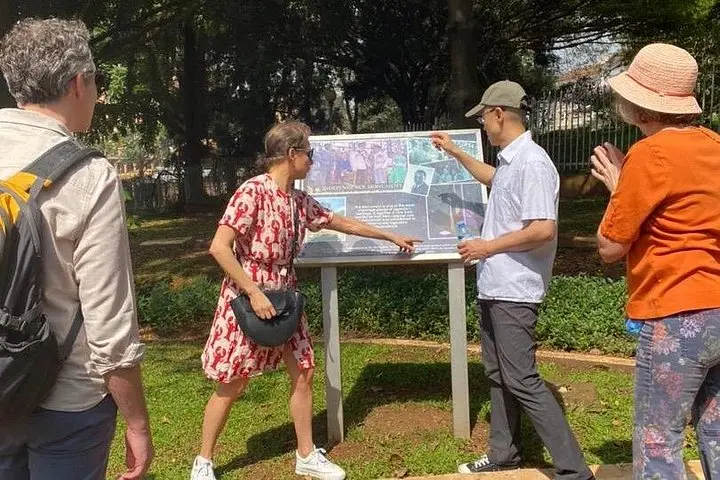
Kampala sits on ancient volcanic and lacustrine soils overlooking Lake Victoria; its topography and waterways shaped settlement patterns and market locations. The area is the heartland of the Buganda kingdom—expect references to kabakas, kingdoms, and the city’s layered colonial and post-independence history as you pass memorials and the Independence Monument.
Culturally the route is kinetic: bargaining is normal, street food is a living craft, and informal transport (matatus) fills the soundtrack. Small rooftop cafes and market stalls function as informal galleries where artisans trade carved stools, woven baskets, and textiles.
Practical guidance: this is a physically steady four- to five-hour walk with stair climbs and crowded lanes—good stamina helps. Carry cash (UGX), a refillable water bottle, sun protection, and a light rain jacket for sudden showers. Wear closed shoes for uneven surfaces and be mindful of pickpockets in busy markets. Guides often arrange pickup for an extra fee; confirm meeting points and mobility constraints in advance.
By the end of the circuit, the city’s pace will feel less like chaos and more like a set of distinct neighborhoods coaxing you to linger.
No—this walking route includes many stairs and crowded streets; contact the operator about private vehicle options for limited mobility.
Yes—when entering the Uganda National Mosque visitors are asked to remove shoes and dress modestly; follow signage and guide instructions.
Bottled water and snacks are listed as inclusions; full meals at restaurants are typically pay-as-you-go unless specified otherwise.
Yes—Twija Africa Safaris can arrange driver-guides for pick-up and drop-off for an extra fee (approx. $30 for a car, $15 for a motorbike).
TWIJA AFRICA SAFARIS operates guided outdoor trips and adventures with an emphasis on safety, stewardship, and memorable experiences.
A morning in Kampala unfolds on foot: the city’s seven (and more) hills rise and fall beneath your shoes, vendors call across narrow alleys, and steam from roadside food stalls perfumes the air. The tour threads through Owino Market’s press of colors and second-hand racks, past the squat, broad dome of the Uganda National Mosque, and into quiet lanes that reveal Makerere’s academic stoops and colonial-era monuments.
A morning in Kampala unfolds on foot: the city’s seven (and more) hills rise and fall beneath your shoes, vendors call across narrow alleys, and steam from roadside food stalls perfumes the air. The tour threads through Owino Market’s press of colors and second-hand racks, past the squat, broad dome of the Uganda National Mosque, and into quiet lanes that reveal Makerere’s academic stoops and colonial-era monuments.
Kampala sits on ancient volcanic and lacustrine soils overlooking Lake Victoria; its topography and waterways shaped settlement patterns and market locations. The area is the heartland of the Buganda kingdom—expect references to kabakas, kingdoms, and the city’s layered colonial and post-independence history as you pass memorials and the Independence Monument.
Culturally the route is kinetic: bargaining is normal, street food is a living craft, and informal transport (matatus) fills the soundtrack. Small rooftop cafes and market stalls function as informal galleries where artisans trade carved stools, woven baskets, and textiles.
Practical guidance: this is a physically steady four- to five-hour walk with stair climbs and crowded lanes—good stamina helps. Carry cash (UGX), a refillable water bottle, sun protection, and a light rain jacket for sudden showers. Wear closed shoes for uneven surfaces and be mindful of pickpockets in busy markets. Guides often arrange pickup for an extra fee; confirm meeting points and mobility constraints in advance.
By the end of the circuit, the city’s pace will feel less like chaos and more like a set of distinct neighborhoods coaxing you to linger.