THE ADVENTURE COLLECTIVE® · Independent discovery and booking for outdoor travel

Walk Kampala’s busiest markets and monuments on a guided five‑hour route from the Craft Market to the Gaddafi Mosque minaret. This practical city walk blends history, commerce, and skyline views while offering hands‑on cultural encounters.
Walk Kampala’s busiest markets and monuments on a guided five‑hour route from the Craft Market to the Gaddafi Mosque minaret. This practical city walk blends history, commerce, and skyline views while offering hands‑on cultural encounters.
You step off Buganda Road into organized chaos: hawkers call out prices, fabric bolts flare from shop fronts, and the city’s seven hills rise and fall like a slow tide. The guide gathers the group at Senana Supermarket opposite the Craft Market and, within minutes, you’re moving through narrow alleys where fruit stalls smell of citrus and diesel and vendors weigh goods on old scales.
Verified experiences and guided adventures in the surrounding area.
Operated by Kampala City and Slum Tours · Kampala, Kampala Capital City
You step off Buganda Road into organized chaos: hawkers call out prices, fabric bolts flare from shop fronts, and the city’s seven hills rise and fall like a slow tide. The guide gathers the group at Senana Supermarket opposite the Craft Market and, within minutes, you’re moving through narrow alleys where fruit stalls smell of citrus and diesel and vendors weigh goods on old scales.
This walk threads Kampala’s modern pulse with its layered past — colonial-era independence monuments and a Second World War memorial sit a short distance from the Hindu Temple and the busy taxi parks that have defined trade routes for decades. Geologically, Kampala’s worn hills are gentle domes of pre-Cambrian bedrock that shape streets and views; culturally, the markets are where language, food, and fabric meet. You pass Owino (St. Balikuddembe) Market — a long-standing center of commerce — and Nakasero’s fruit-lined lanes, then walk through parts of Kisenyi that show everyday urban resilience.
Practical guidance kicks in as the route climbs toward Gaddafi National Mosque. You’ll be offered time to climb the minaret for a panoramic look at the city’s roofline and the seven hills. Expect mixed pavement and uneven market lanes, frequent stops, and many sensory contrasts: noise, color, and the steady negotiation of bargains. Bring a sun hat, comfortable shoes, small bills for purchases, and a respectful mindset for places of worship. The tour runs about five hours and is led in English; aim to start early to avoid midday heat and busiest markets.
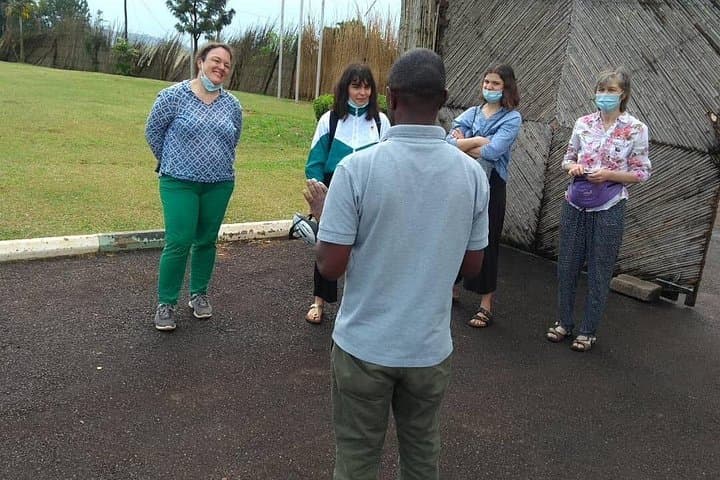
Meet at Senana Supermarket opposite the Craft Market on Buganda Road; the guide provides a short briefing before departure.
Photography is welcome in markets but ask vendors first; inside mosque or temple grounds follow guide instructions and avoid photographing worshippers without permission.
The tour is classified as easy and suits most ages, but it involves several hours on foot—consider mobility and cardiovascular health when booking.
Bottled water is included; food purchases at markets are optional and paid for by participants.
Kampala City and Slum Tours operates guided outdoor trips and adventures with an emphasis on safety, stewardship, and memorable experiences.

You step off Buganda Road into organized chaos: hawkers call out prices, fabric bolts flare from shop fronts, and the city’s seven hills rise and fall like a slow tide. The guide gathers the group at Senana Supermarket opposite the Craft Market and, within minutes, you’re moving through narrow alleys where fruit stalls smell of citrus and diesel and vendors weigh goods on old scales.
You step off Buganda Road into organized chaos: hawkers call out prices, fabric bolts flare from shop fronts, and the city’s seven hills rise and fall like a slow tide. The guide gathers the group at Senana Supermarket opposite the Craft Market and, within minutes, you’re moving through narrow alleys where fruit stalls smell of citrus and diesel and vendors weigh goods on old scales.
This walk threads Kampala’s modern pulse with its layered past — colonial-era independence monuments and a Second World War memorial sit a short distance from the Hindu Temple and the busy taxi parks that have defined trade routes for decades. Geologically, Kampala’s worn hills are gentle domes of pre-Cambrian bedrock that shape streets and views; culturally, the markets are where language, food, and fabric meet. You pass Owino (St. Balikuddembe) Market — a long-standing center of commerce — and Nakasero’s fruit-lined lanes, then walk through parts of Kisenyi that show everyday urban resilience.
Practical guidance kicks in as the route climbs toward Gaddafi National Mosque. You’ll be offered time to climb the minaret for a panoramic look at the city’s roofline and the seven hills. Expect mixed pavement and uneven market lanes, frequent stops, and many sensory contrasts: noise, color, and the steady negotiation of bargains. Bring a sun hat, comfortable shoes, small bills for purchases, and a respectful mindset for places of worship. The tour runs about five hours and is led in English; aim to start early to avoid midday heat and busiest markets.