THE ADVENTURE COLLECTIVE® · Independent discovery and booking for outdoor travel

Cruise Tonle Sap’s floating lanes and explore the early Khmer temples of the Roluos Group on a half-day private tour. Expect wooden boats, stepped-pyramid ruins, seasonal wetlands, and straightforward local food.
Cruise Tonle Sap’s floating lanes and explore the early Khmer temples of the Roluos Group on a half-day private tour. Expect wooden boats, stepped-pyramid ruins, seasonal wetlands, and straightforward local food.
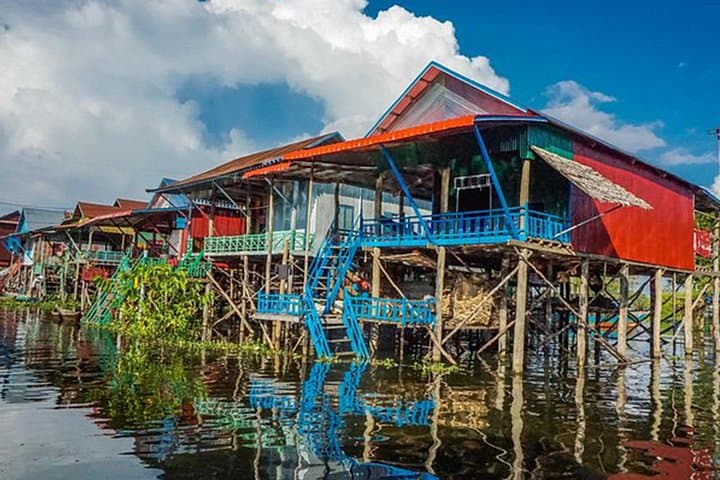
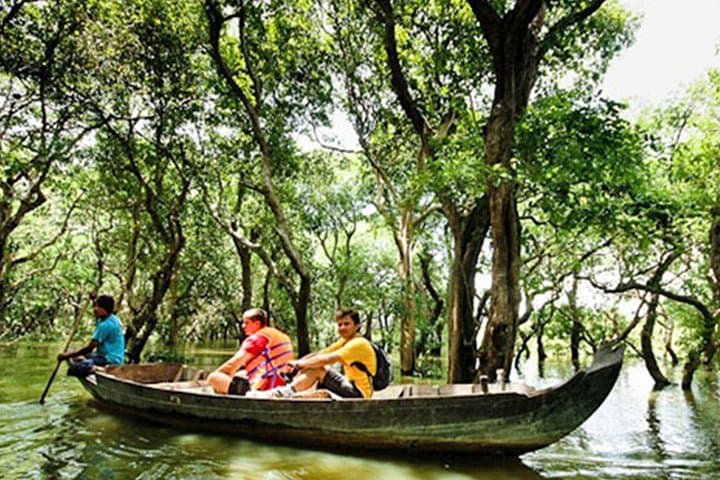
The boat slips away from the shore and the Tonle Sap opens up like a moving village: stilted houses rise from the water and fishermen shoulder nets as children wave from elevated porches. The wooden boat’s rhythm and the heat of the plain place you squarely in rural Cambodia — where river and land swap roles with the seasons.
Verified experiences and guided adventures in the surrounding area.
Operated by Vuthy Angkor Transportation · Siem Reap, Siem Reap Province
The boat slips away from the shore and the Tonle Sap opens up like a moving village: stilted houses rise from the water and fishermen shoulder nets as children wave from elevated porches. The wooden boat’s rhythm and the heat of the plain place you squarely in rural Cambodia — where river and land swap roles with the seasons.
Begin on dry ground at the Roluos Group, where Bakong’s stepped pyramid still reads like an argument with the earth; carved galleries, laterite blocks and mossed stairways tell of the Khmer empire’s early capital in the 9th century. Nearby Preah Ko and Lolei offer quieter stone faces and temple courtyards framed by ancient teak and red soil.
Cross the plains to Tonle Sap and Kampong Phluk, a floating community shaped by flood and drought. In the wet months the lake dares you deeper into flooded forests; in the dry months, wooden stilts and sun-bleached walkways map the villagers’ seasonal life. Local cuisine — rice, fish amok, and sour soups — is straightforward and filling, often served at family-run restaurants near the pier.
Practical guidance: plan for uneven temple steps and hot sun; bring cash for site admissions and small purchases. Morning departures reduce heat and improve light for photography. Wear closed shoes for temple walks and a lightweight layer for early-morning breezes on the boat. Respect homes and schools in Kampong Phluk — ask before photographing people — and follow guides’ directions when boarding small boats.
No — admission fees are typically not included. Bring cash to purchase entrance tickets for the Roluos Group or present a valid Angkor pass if required.
No — homes are private. Always ask permission before entering or photographing, and follow your guide’s direction to avoid disrupting daily life.
In the wet season (May–Oct) the water level rises and boats navigate flooded forests; in the dry season the lake recedes, exposing stilts, mudflats, and different wildlife viewing opportunities.
Yes — it’s generally easy but involves boarding small boats and walking uneven temple grounds; travelers with serious mobility or spinal issues should take caution.
Vuthy Angkor Transportation operates guided outdoor trips and adventures with an emphasis on safety, stewardship, and memorable experiences.

The boat slips away from the shore and the Tonle Sap opens up like a moving village: stilted houses rise from the water and fishermen shoulder nets as children wave from elevated porches. The wooden boat’s rhythm and the heat of the plain place you squarely in rural Cambodia — where river and land swap roles with the seasons.
The boat slips away from the shore and the Tonle Sap opens up like a moving village: stilted houses rise from the water and fishermen shoulder nets as children wave from elevated porches. The wooden boat’s rhythm and the heat of the plain place you squarely in rural Cambodia — where river and land swap roles with the seasons.
Begin on dry ground at the Roluos Group, where Bakong’s stepped pyramid still reads like an argument with the earth; carved galleries, laterite blocks and mossed stairways tell of the Khmer empire’s early capital in the 9th century. Nearby Preah Ko and Lolei offer quieter stone faces and temple courtyards framed by ancient teak and red soil.
Cross the plains to Tonle Sap and Kampong Phluk, a floating community shaped by flood and drought. In the wet months the lake dares you deeper into flooded forests; in the dry months, wooden stilts and sun-bleached walkways map the villagers’ seasonal life. Local cuisine — rice, fish amok, and sour soups — is straightforward and filling, often served at family-run restaurants near the pier.
Practical guidance: plan for uneven temple steps and hot sun; bring cash for site admissions and small purchases. Morning departures reduce heat and improve light for photography. Wear closed shoes for temple walks and a lightweight layer for early-morning breezes on the boat. Respect homes and schools in Kampong Phluk — ask before photographing people — and follow guides’ directions when boarding small boats.