THE ADVENTURE COLLECTIVE® · Independent discovery and booking for outdoor travel

Glide through mangrove channels to Kampong Phluk, a village that literally rises and falls with Tonle Sap. This half-day cruise from Siem Reap pairs a boat tour with a pagoda visit and market stroll to reveal daily life shaped by the lake’s dramatic seasonal cycle.
Glide through mangrove channels to Kampong Phluk, a village that literally rises and falls with Tonle Sap. This half-day cruise from Siem Reap pairs a boat tour with a pagoda visit and market stroll to reveal daily life shaped by the lake’s dramatic seasonal cycle.
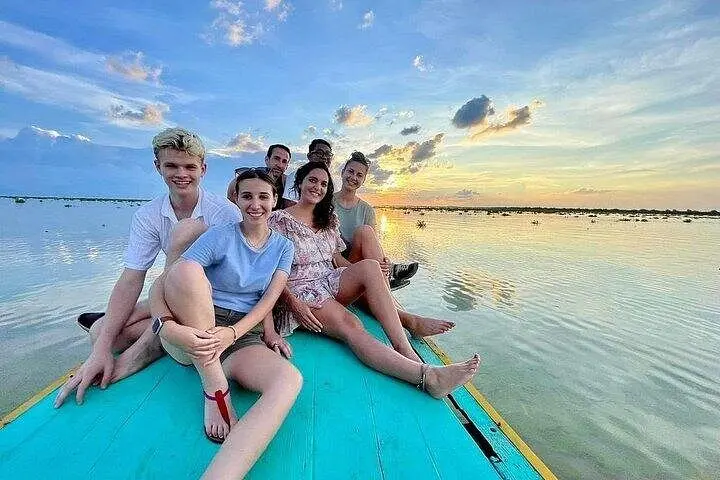
Steam of humid air lifts off Tonle Sap as the boat slips from the dock and the lake takes charge, pushing you through mangrove channels toward a village that rearranges itself with the seasons.
Verified experiences and guided adventures in the surrounding area.
Operated by Angkor Pro Travel · Siem Reap, Siem Reap Province
Steam of humid air lifts off Tonle Sap as the boat slips from the dock and the lake takes charge, pushing you through mangrove channels toward a village that rearranges itself with the seasons.
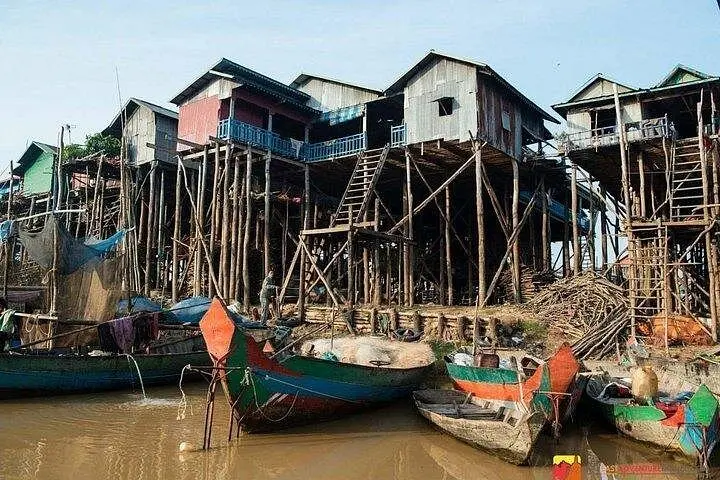
Kampong Phluk sits on towering stilts and, depending on the time of year, either reveals a wooden skeleton of posts or becomes a true floating community. The landscape here is less static landmark than living machine: water swells and recedes, currents rearrange boats and mud, and birds patrol the flooded trees like sentries.
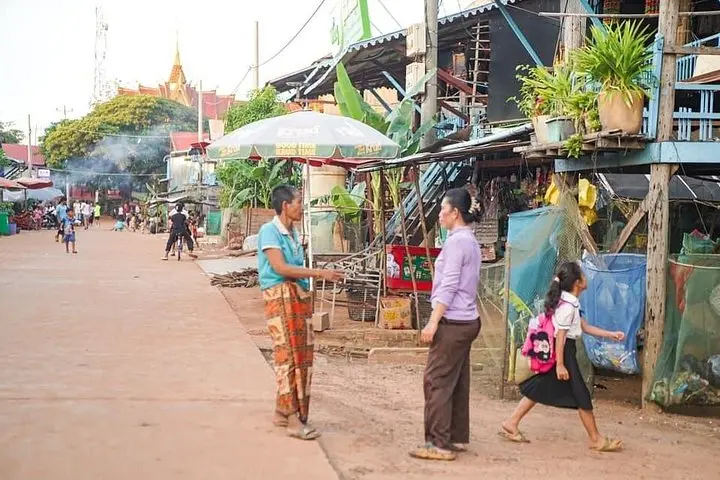
This stretch of Tonle Sap is tied to Cambodia’s geological heartbeat — the lake swells dramatically during the monsoon because the Mekong reverses flow, replenishing rich fisheries that have supported Khmer communities for centuries. Along the way you’ll visit Wat Roka pagoda and Rolous Market, where monk and villager life overlap in practical rituals: alms, rice trades and boat repairs.
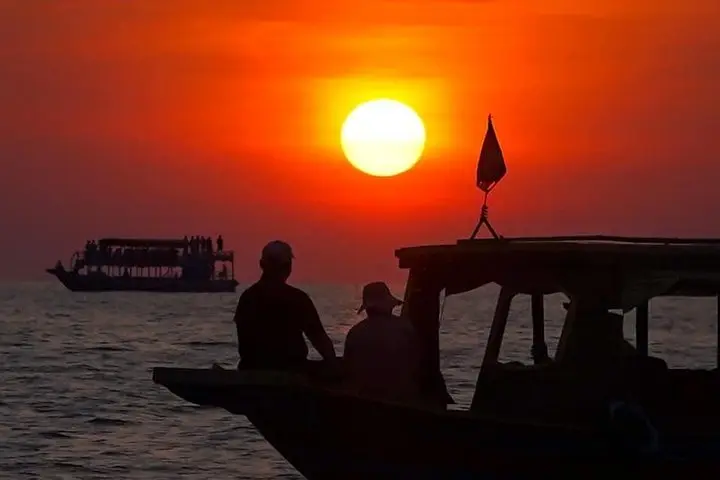
Expect a relaxed, observational excursion rather than a strenuous trek. The trip typically includes hotel pickup, a guided boat cruise through mangroves, a stop at the pagoda and time to stroll the market. Photographers should plan for low, directional light at sunrise or sunset; midday is hotter and harsher.
Practical tips: bring insect repellent, sun protection and a lightweight rain layer in the wet season. Water levels matter — high water (roughly August–March) offers the classic floating-village sight; low water exposes stilts and muddier shorelines.
This half-day outing is a compact window into how people live with an ever-changing lake — quiet, observant, and best taken with respectful curiosity.
High water season (roughly August–March) fills Tonle Sap and turns Kampong Phluk into a floating village; low water (April–July) exposes stilts and mudflats.
This is a half-day tour (about 6 hours) typically including hotel pickup, boat cruise on Tonle Sap, stops at Wat Roka pagoda and Rolous Market, and an English-speaking guide.
Yes—boats are stable for short cruises, life jackets are usually available, but expect some movement when entering shallow channels; supervise children closely.
You can photograph the village, but always ask permission before photographing people up close, and be sensitive during religious or private moments.
Angkor Pro Travel operates guided outdoor trips and adventures with an emphasis on safety, stewardship, and memorable experiences.
Steam of humid air lifts off Tonle Sap as the boat slips from the dock and the lake takes charge, pushing you through mangrove channels toward a village that rearranges itself with the seasons.
Steam of humid air lifts off Tonle Sap as the boat slips from the dock and the lake takes charge, pushing you through mangrove channels toward a village that rearranges itself with the seasons.
Kampong Phluk sits on towering stilts and, depending on the time of year, either reveals a wooden skeleton of posts or becomes a true floating community. The landscape here is less static landmark than living machine: water swells and recedes, currents rearrange boats and mud, and birds patrol the flooded trees like sentries.
This stretch of Tonle Sap is tied to Cambodia’s geological heartbeat — the lake swells dramatically during the monsoon because the Mekong reverses flow, replenishing rich fisheries that have supported Khmer communities for centuries. Along the way you’ll visit Wat Roka pagoda and Rolous Market, where monk and villager life overlap in practical rituals: alms, rice trades and boat repairs.
Expect a relaxed, observational excursion rather than a strenuous trek. The trip typically includes hotel pickup, a guided boat cruise through mangroves, a stop at the pagoda and time to stroll the market. Photographers should plan for low, directional light at sunrise or sunset; midday is hotter and harsher.
Practical tips: bring insect repellent, sun protection and a lightweight rain layer in the wet season. Water levels matter — high water (roughly August–March) offers the classic floating-village sight; low water exposes stilts and muddier shorelines.
This half-day outing is a compact window into how people live with an ever-changing lake — quiet, observant, and best taken with respectful curiosity.