THE ADVENTURE COLLECTIVE® · Independent discovery and booking for outdoor travel

Board a small boat and cross Tonle Sap to reach Kampong Phluk’s stilted village — an intimate look at a water-driven way of life. This short tour from Siem Reap pairs market stops and guided village walks with clear, practical advice for first-time visitors.
Board a small boat and cross Tonle Sap to reach Kampong Phluk’s stilted village — an intimate look at a water-driven way of life. This short tour from Siem Reap pairs market stops and guided village walks with clear, practical advice for first-time visitors.
You step off the air-conditioned van where dusty rice tracks give way to a ribbon of mud and water; the lake breathes shallow and wide, and the stilt houses of Kampong Phluk rise like a small wooden town above the surface. The boat slips forward, piloted by a local who reads the water the way others read maps. Trees lean into the lake; floating gardens bob and fishermen push nets like slow hands through the current.
Verified experiences and guided adventures in the surrounding area.
Operated by Travel to Inspire · Siem Reap, Siem Reap Province
You step off the air-conditioned van where dusty rice tracks give way to a ribbon of mud and water; the lake breathes shallow and wide, and the stilt houses of Kampong Phluk rise like a small wooden town above the surface. The boat slips forward, piloted by a local who reads the water the way others read maps. Trees lean into the lake; floating gardens bob and fishermen push nets like slow hands through the current.
Tonle Sap is Southeast Asia’s largest freshwater lake and a living, seasonal machine: in the wet season its shoreline expands dramatically and houses float on stilts or moorings; in the dry season, mudflats appear and boats thread narrower channels. Kampong Phluk is a community of around 900 families whose livelihoods are shaped by that rhythm — fishing, handcrafts, markets and shared traditions that evolved with the flood pulse. The village architecture and raised pagodas reflect practical responses to annual inundation and local Khmer culture.
On a typical 3–4 hour excursion from Siem Reap expect a market stop, a short drive, a boat boarding and guided circuits through elevated homes and mangrove channels. Photography is rewarding but sensitive — ask before shooting people. Practical prep: wear quick-dry clothing, sturdy sandals or lightweight shoes, bring cash for small purchases and tips, and hydrate; there are limited facilities. Morning and late afternoon departures give cooler light and calmer water. The tour is low-impact if visitors stay on designated paths, respect private areas and avoid leaving trash — small choices that help keep the village and lake healthy for future seasons.
The road transfer is about 45–60 minutes each way depending on traffic and the exact pickup point in Siem Reap.
Local long-tail boats are stable for short rides; infant seats can be requested and life vests are generally available—notify the operator of young children or mobility concerns when booking.
Wet season (roughly June–October) raises water levels and showcases houses on tall stilts and flooded forests; dry season reveals mudbanks and exposes different fishing methods.
Yes—small market stalls and family-run sellers offer snacks, drinks and handcrafted items; carry small cash and be prepared for limited change.
Travel to Inspire operates guided outdoor trips and adventures with an emphasis on safety, stewardship, and memorable experiences.
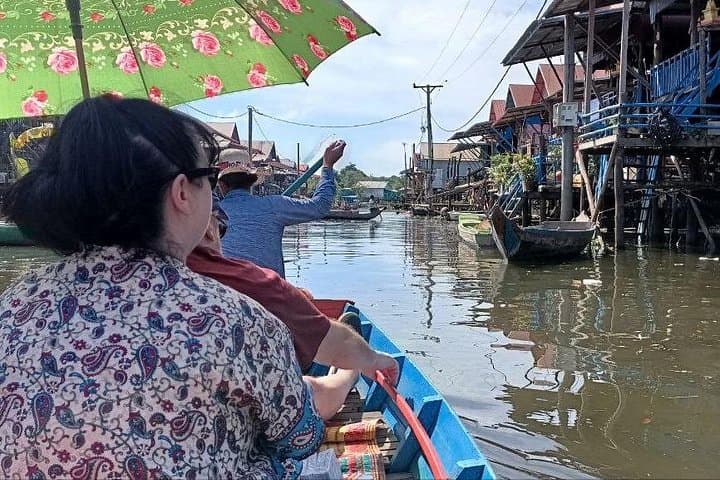

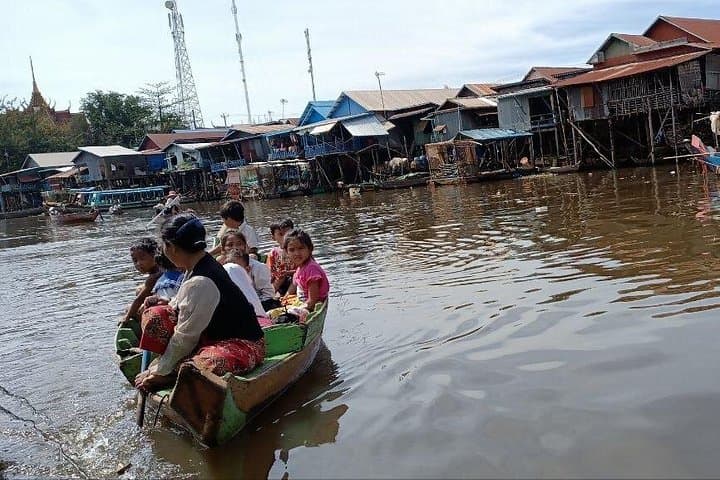

You step off the air-conditioned van where dusty rice tracks give way to a ribbon of mud and water; the lake breathes shallow and wide, and the stilt houses of Kampong Phluk rise like a small wooden town above the surface. The boat slips forward, piloted by a local who reads the water the way others read maps. Trees lean into the lake; floating gardens bob and fishermen push nets like slow hands through the current.
You step off the air-conditioned van where dusty rice tracks give way to a ribbon of mud and water; the lake breathes shallow and wide, and the stilt houses of Kampong Phluk rise like a small wooden town above the surface. The boat slips forward, piloted by a local who reads the water the way others read maps. Trees lean into the lake; floating gardens bob and fishermen push nets like slow hands through the current.
Tonle Sap is Southeast Asia’s largest freshwater lake and a living, seasonal machine: in the wet season its shoreline expands dramatically and houses float on stilts or moorings; in the dry season, mudflats appear and boats thread narrower channels. Kampong Phluk is a community of around 900 families whose livelihoods are shaped by that rhythm — fishing, handcrafts, markets and shared traditions that evolved with the flood pulse. The village architecture and raised pagodas reflect practical responses to annual inundation and local Khmer culture.
On a typical 3–4 hour excursion from Siem Reap expect a market stop, a short drive, a boat boarding and guided circuits through elevated homes and mangrove channels. Photography is rewarding but sensitive — ask before shooting people. Practical prep: wear quick-dry clothing, sturdy sandals or lightweight shoes, bring cash for small purchases and tips, and hydrate; there are limited facilities. Morning and late afternoon departures give cooler light and calmer water. The tour is low-impact if visitors stay on designated paths, respect private areas and avoid leaving trash — small choices that help keep the village and lake healthy for future seasons.