THE ADVENTURE COLLECTIVE® · Independent discovery and booking for outdoor travel

Travel a short stretch from Kampot into Cambodia’s agricultural pulse: salt pans that shine, a large man-made lake with complex history, and family-run pepper farms offering tastings. This four-hour loop packs culture, geology and hands-on local insights into an easy, scenic afternoon.
Travel a short stretch from Kampot into Cambodia’s agricultural pulse: salt pans that shine, a large man-made lake with complex history, and family-run pepper farms offering tastings. This four-hour loop packs culture, geology and hands-on local insights into an easy, scenic afternoon.
The road out of Kampot falls into a slow rhythm: cracked asphalt, palms leaning like roadside sentries, and the wide river daring you to look farther. Within minutes the bustle of town thins and the countryside opens into flat salt pans glittering in the sun, pepper vines climbing wooden trellises and a broad man-made lake that holds the light of late afternoon.
Verified experiences and guided adventures in the surrounding area.
Operated by Peppercorn private tour (Kampot & Kep) · Kampot, Kampot Province
The road out of Kampot falls into a slow rhythm: cracked asphalt, palms leaning like roadside sentries, and the wide river daring you to look farther. Within minutes the bustle of town thins and the countryside opens into flat salt pans glittering in the sun, pepper vines climbing wooden trellises and a broad man-made lake that holds the light of late afternoon.
This short tour threads three local industries: sea salt production practiced on rectangular evaporation pans, Brateak Krola (often called the “secret” lake) — an artificial reservoir with a stark history from the Khmer Rouge era — and the smallholder pepper farms that made Kampot famous. Geologically the plain is alluvial, drained by canals that feed saltworks in the dry season; culturally, pepper farms are family-run and often include a tasting and shop where Kampot pepper’s Protected Designation of Origin is explained.
Expect mostly driving with short walking sections: a 15-minute stop at functioning salt pans (seasonal), a lakeside loop on firm dirt roads, and a 40-minute guided walk on a pepper plantation that ends in a tasting. The whole excursion runs about four hours, with roughly two and a half hours spent on the road between sites.
Practicalities: bring sun protection, refillable water, and closed-toe shoes for uneven farm paths. Visit in late afternoon for softer light and cooler air; salt production runs in the dry months. Respect workers, stay on designated paths, and take waste with you — these landscapes are both livelihood and living history.
The tour lasts about four hours total, with around 2.5 hours of that spent driving between Kampot and the sites.
Salt production happens in the dry season (roughly November–April); during the wet season pans may be flooded and inactive.
Yes — the pepper farm stop includes a guided walking tour and a free tasting of different Kampot pepper varieties, with the option to purchase products.
The excursion involves short, mostly flat walks but is not recommended for pregnant travelers or people with serious cardiovascular issues as noted by the operator.
Peppercorn private tour (Kampot & Kep) operates guided outdoor trips and adventures with an emphasis on safety, stewardship, and memorable experiences.
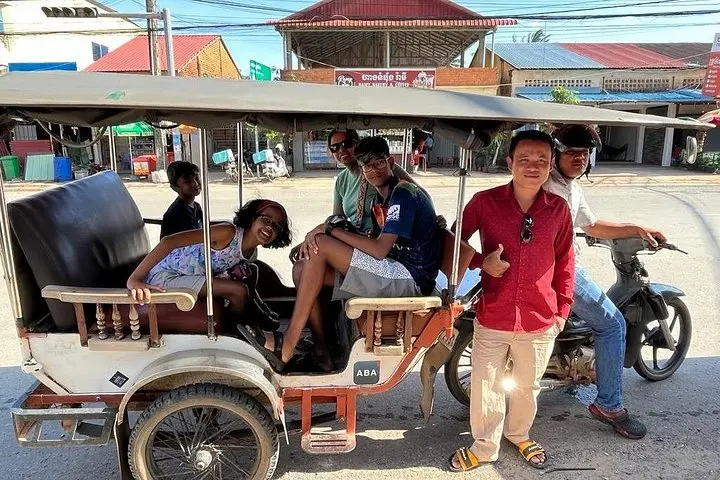
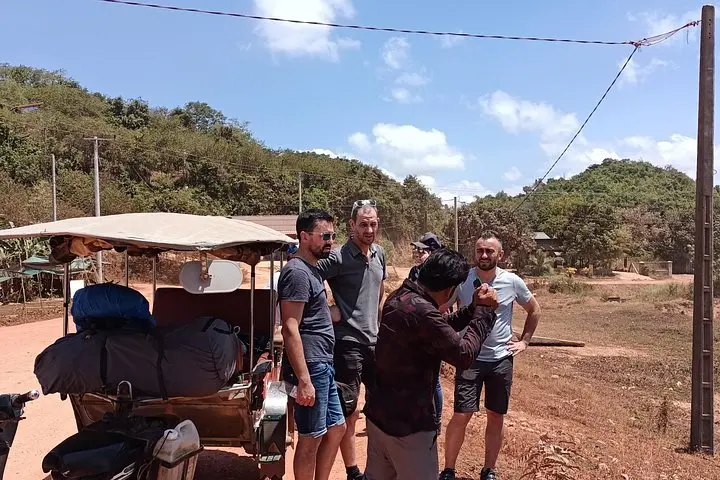
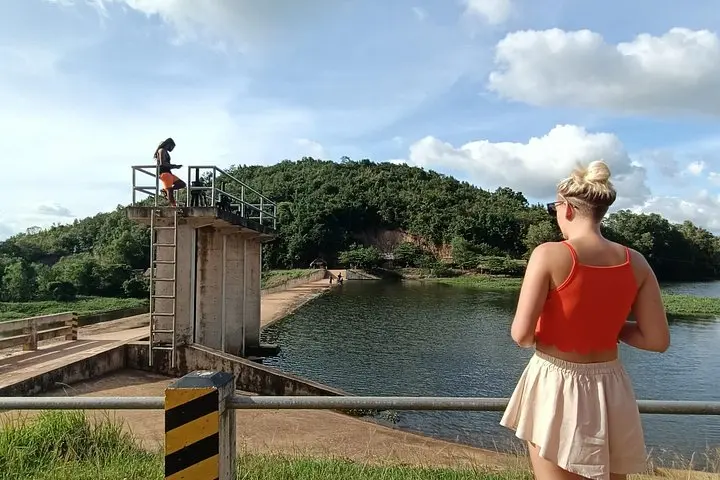
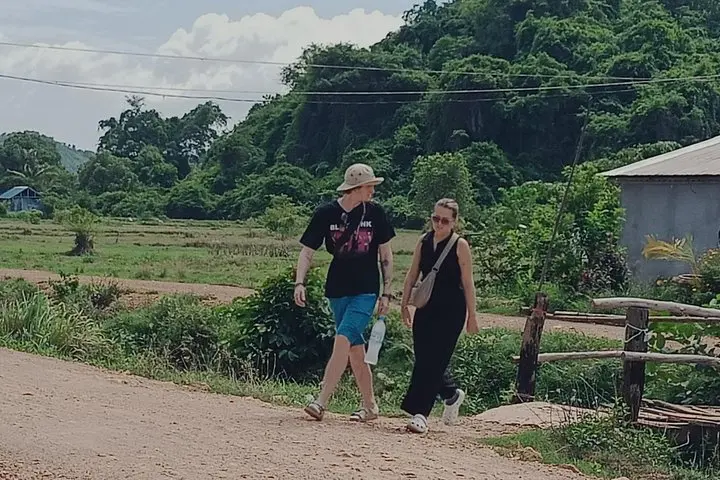
The road out of Kampot falls into a slow rhythm: cracked asphalt, palms leaning like roadside sentries, and the wide river daring you to look farther. Within minutes the bustle of town thins and the countryside opens into flat salt pans glittering in the sun, pepper vines climbing wooden trellises and a broad man-made lake that holds the light of late afternoon.
The road out of Kampot falls into a slow rhythm: cracked asphalt, palms leaning like roadside sentries, and the wide river daring you to look farther. Within minutes the bustle of town thins and the countryside opens into flat salt pans glittering in the sun, pepper vines climbing wooden trellises and a broad man-made lake that holds the light of late afternoon.
This short tour threads three local industries: sea salt production practiced on rectangular evaporation pans, Brateak Krola (often called the “secret” lake) — an artificial reservoir with a stark history from the Khmer Rouge era — and the smallholder pepper farms that made Kampot famous. Geologically the plain is alluvial, drained by canals that feed saltworks in the dry season; culturally, pepper farms are family-run and often include a tasting and shop where Kampot pepper’s Protected Designation of Origin is explained.
Expect mostly driving with short walking sections: a 15-minute stop at functioning salt pans (seasonal), a lakeside loop on firm dirt roads, and a 40-minute guided walk on a pepper plantation that ends in a tasting. The whole excursion runs about four hours, with roughly two and a half hours spent on the road between sites.
Practicalities: bring sun protection, refillable water, and closed-toe shoes for uneven farm paths. Visit in late afternoon for softer light and cooler air; salt production runs in the dry months. Respect workers, stay on designated paths, and take waste with you — these landscapes are both livelihood and living history.